
The Trump administration’s decision to reduce the Social Security Administration (SSA) workforce by 12 percent, eliminating approximately 7,000 jobs by the end of fiscal year 2025, is already creating tangible effects across the United States.
According to a recent analysis from the Strategic Organizing Center (SOC), these reductions are affecting rural, aging, and underserved states more significantly, raising concerns about service delays and access limitations.
Newsweek reported that 46 states have experienced staffing cuts in local SSA offices, with more than 30 percent of those offices losing at least 10 percent of their workforce. Social Security operations are continuing amid these structural adjustments.
Daily Services Affected in Local Field Offices
According to the SOC, Social Security’s local field offices serve more than 119,000 visitors daily. These offices provide critical in-person assistance for applications, card replacements, and complex inquiries. Yet between March 2024 and March 2025, staffing levels dropped from 21,627 to 20,593, a 5 percent overall decline—but with much sharper losses in certain states.
More than 30 percent of SSA field offices have experienced staff reductions of 10 percent or more, and 46 states have seen a loss of field office employees during this period.
Most Affected States Have Aging and Dispersed Populations
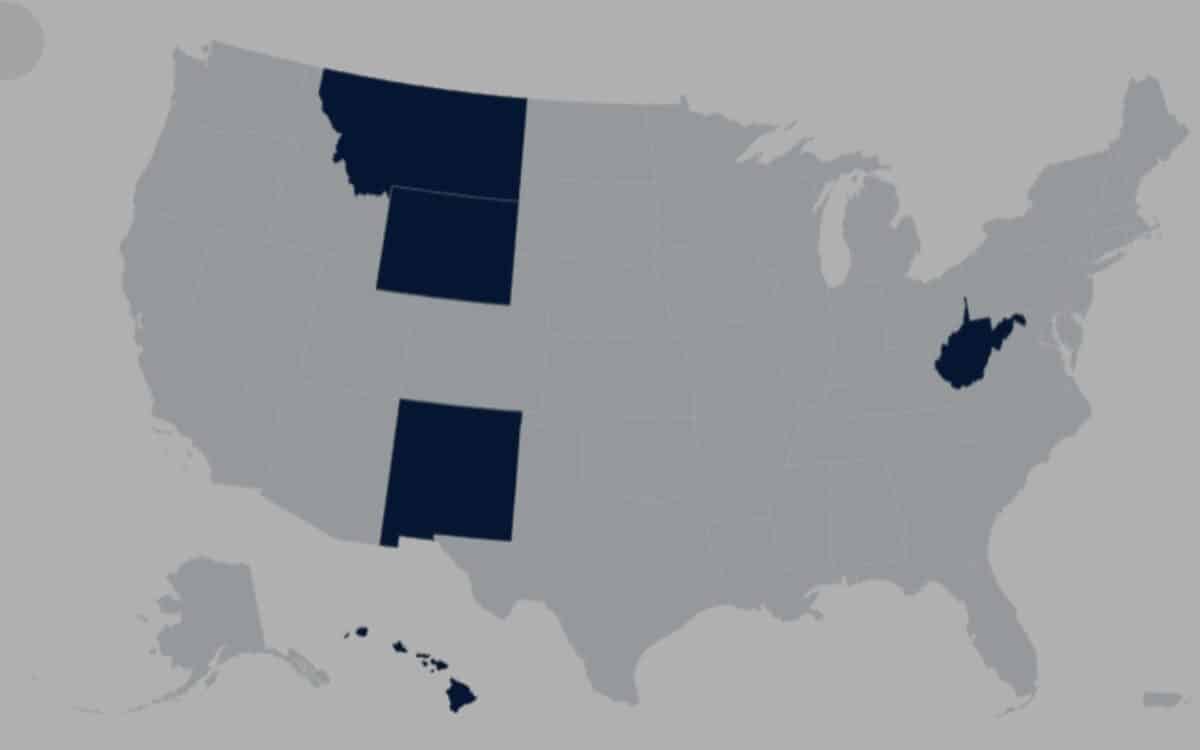
The states most impacted by staffing cuts include Wyoming (17 percent), Montana (14 percent), West Virginia (11 percent), Hawaii (11 percent), and New Mexico (10 percent). Several of these areas have older populations, with median ages above 39, and high disability rates, such as in West Virginia, which holds the nation’s highest.
What’s surprising is the correlation between population density and the states with double-digit declines in SSA field office workers – said Kevin Thompson, CEO of 9i Capital Group.
Sure, you could argue that fewer workers simply would lead to a more significant reduction in staffing given the smaller numbers, but when you look closer, many of these states also have an older population—median ages north of 39—places like New Mexico, Wyoming, and Montana. That means the very people who depend most on these services are in the areas losing the most staff.
Digital Transition Raises Equity Concerns
As the SSA moves toward automation and online services, some rural areas are being left behind. Thompson explained:
Many of these states have fewer people spread out over larger areas. Add in the SSA’s push toward technology and automation, and headcounts in certain offices are going to drop as they modernize. For rural areas, the impact will be immediate. People who once had an office in town might now have to travel to the nearest major city or even the state capital just to get basic answers.
This evolution, while aligned with modernization goals, may create significant access issues in places with limited internet coverage or where populations rely on in-person assistance.
Experts Warn of Rising Demand Amid Reduced Capacity
As the American population ages, the pressure on Social Security services is expected to intensify. Alex Beene, a financial literacy instructor at the University of Tennessee at Martin, noted:
It’s important to note in some states, the number of employees for the administration in the field are already low, and cutting them further could delay support to some beneficiaries. Government efficiency is obviously important, but as a larger size of the population enters retirement and qualifies for benefits, there will be more demand for services Social Security provides.
For individuals with disabilities or complex needs, these service gaps are particularly problematic.
For the disabled, that’s a huge barrier – Thompson said.
These communities already have limited access. This just makes it worse, forcing people to make real-life decisions about whether they can even afford the time, cost, and effort to get the help they need.