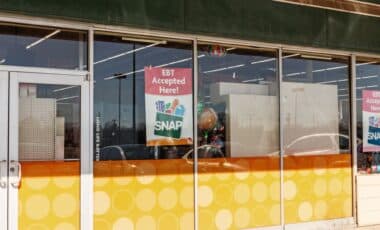

Millions of older Americans are turning to SNAP benefits to supplement their food budget. With fixed incomes and rising living costs, many seniors on Social Security qualify for this essential federal nutrition program.
Administered by the USDA, SNAP provides monthly assistance via an EBT card to help eligible individuals purchase food. For people aged 60 and over, the program plays a key role in reducing food insecurity.
Eligibility and Income Thresholds for Older Americans on Social Security
Older adults receiving Social Security benefits may qualify for the Supplemental Nutrition Assistance Program (SNAP) if their income and resources fall below specified limits. According to the USDA’s Economic Research Service, in fiscal year 2023, 19.5% of SNAP participants were aged 60 or over, underlining the significant reliance on this program among older adults.
Eligibility for seniors depends on factors such as annual income, household size, and countable assets. For example, in Missouri in 2025, a single applicant must earn less than $15,060 annually, while a two-person household must remain under $20,440. There is also a $4,500 limit on countable resources, although certain holdings—such as a primary home, retirement accounts, or resources of household members receiving Supplemental Security Income (SSI)—are excluded.
Income used to determine eligibility includes payments from Social Security, veterans’ benefits, and disability income. Once deemed eligible, applicants are typically contacted for a telephone interview, which can vary in length depending on individual circumstances. A final decision is generally issued within 30 days. Approved applicants receive monthly benefits starting at approximately $199, according to the USDA.
How SNAP Benefits Are Used and What Items Are Covered
Once approved, individuals receive their benefits on an Electronic Benefits Transfer (EBT) card, which can be used like a debit card at participating retailers. National chains such as Walmart, Target, CVS, Walgreens, 7-Eleven, and Costco accept EBT payments, giving recipients access to a wide range of purchasing options.
SNAP covers most food items, including fruits, vegetables, dairy products, meat, poultry, fish, bread, cereals, and non-alcoholic drinks. Beneficiaries may also use the card to buy seeds and plants intended for food production. Items not covered include alcohol, tobacco, vitamins, supplements, hot foods, and non-food household items. Some states have enacted further restrictions, such as bans on sugary beverages, ice cream, and confectionery, according to newly introduced legislation.
For seniors in need of additional support, other USDA-backed programs—including the Commodity Supplemental Food Program, Meals on Wheels, and the Senior Farmers’ Market Nutrition Program—provide extra food access and nutritional resources tailored to older adults.