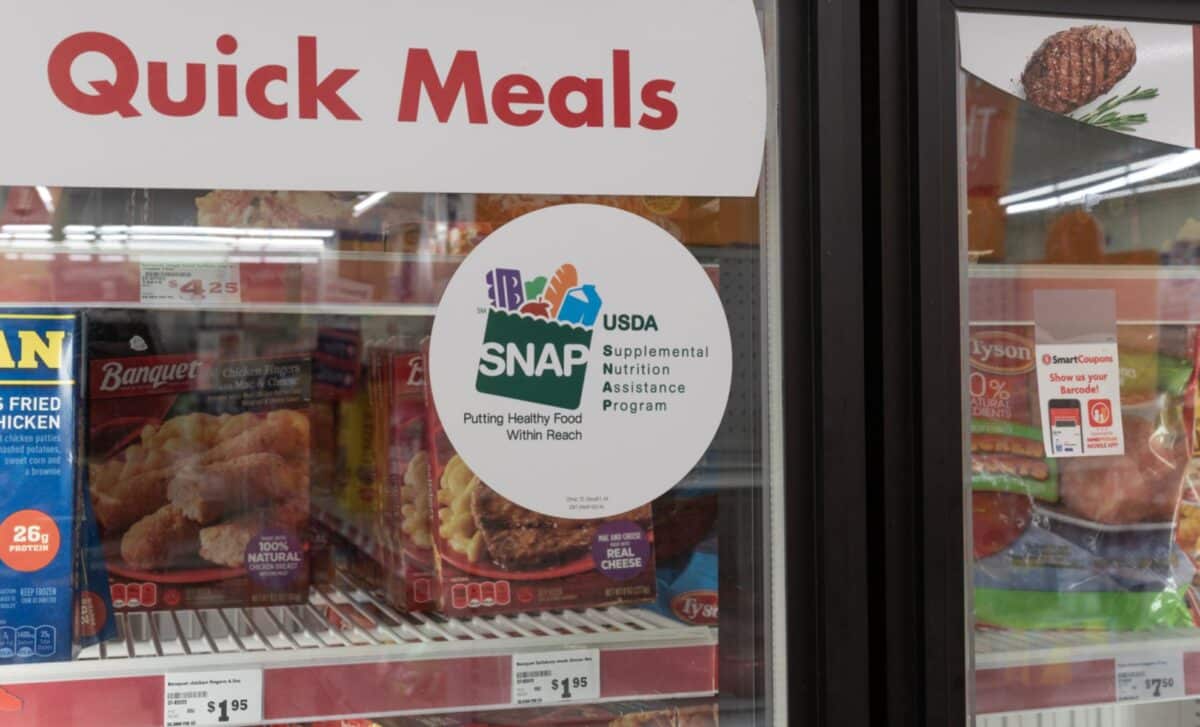
In a move aimed at promoting healthier eating habits, Oklahoma is set to implement new restrictions on the types of food that can be purchased through the Supplemental Nutrition Assistance Program (SNAP). Starting on February 15, 2026, sugary drinks, sweets, and snacks will be off-limits to those using SNAP benefits. This policy change is a significant shift in how food assistance is allocated and could impact thousands of families in the state.
SNAP has long provided crucial support to low-income individuals and families, helping them access necessary food items. However, in recent years, concerns over rising obesity rates and the increasing consumption of unhealthy foods have prompted several states to reconsider what is covered under the program.
Understanding the New Restrictions on SNAP
The new policy, which goes into effect on February 15, 2026, will restrict the use of SNAP benefits for several categories of food products. Specifically, sugary soft drinks, sweets, and snacks will no longer be eligible for purchase. This includes products such as candy, chips, cookies, and sugary beverages.
These foods, while often affordable and convenient, have been linked to rising rates of obesity, diabetes, and other diet-related health problems. According to a statement from the Oklahoma Department of Human Services, the aim is to encourage healthier eating habits among low-income families, who may be more vulnerable to the effects of poor nutrition.
For many SNAP recipients, the change will mean a significant shift in their shopping habits. The new restrictions will affect both individuals and families who rely on food assistance to stretch their budgets. These changes are likely to push consumers toward more fruits, vegetables, and lean proteins, which are generally more expensive than processed junk food. While this move is expected to have a positive impact on public health, it raises concerns about accessibility and affordability for vulnerable populations.
The Debate Over Healthier Food Access
Oklahoma’s decision to restrict junk food purchases has sparked a heated debate among experts, advocacy groups, and recipients themselves. Proponents of the policy argue that it is a necessary step to combat the state’s high obesity rates and improve long-term health outcomes. Supporters say that restricting unhealthy food choices is a proactive way to address these alarming statistics.
The success or failure of Oklahoma’s new SNAP restrictions will depend on how effectively they can encourage healthier eating while minimizing the negative impact on families who already face financial hardships. It will also be important to monitor whether the policy leads to measurable improvements in public health or if it exacerbates issues related to food insecurity.