
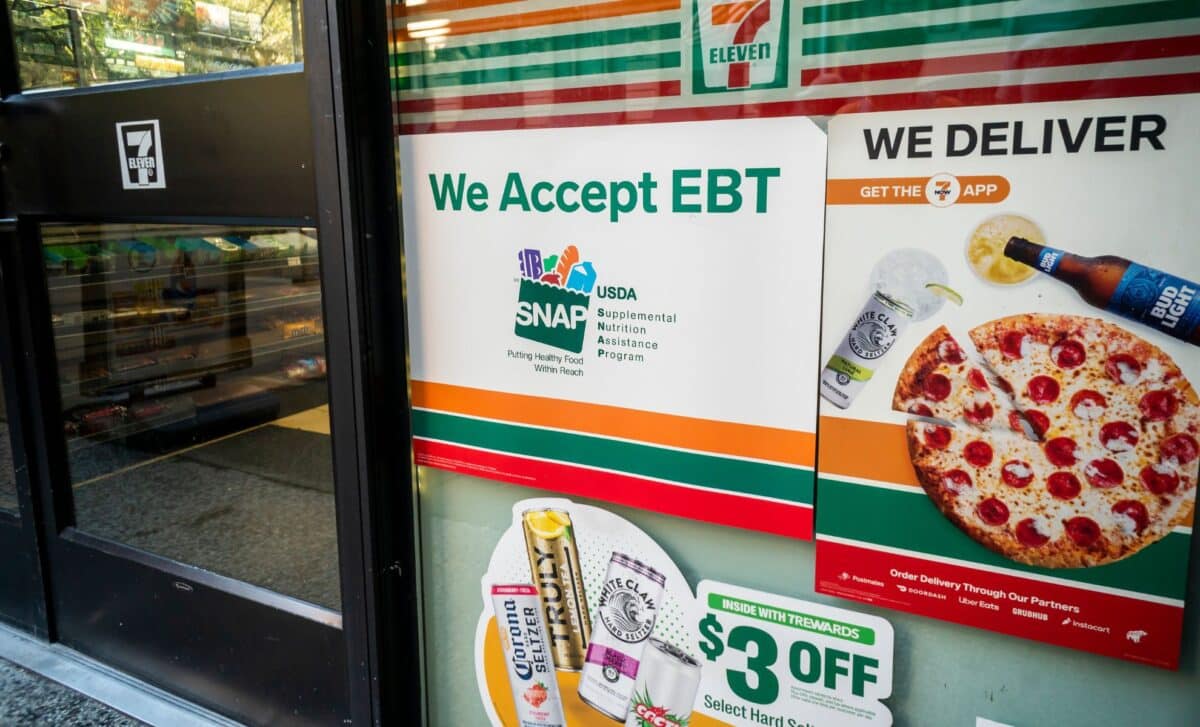
A major wave of SNAP disbursements is set to hit Florida this January, with payments staggered throughout the week to ensure smoother distribution. As rising food prices continue to stretch household budgets, thousands of residents are set to receive vital support in the coming days.
The Florida Department of Children and Families (DCF) will oversee a dense week of benefit distribution between January 12 and 18, aiming to serve recipients according to a detailed payment calendar. This initiative falls under the Supplemental Nutrition Assistance Program (SNAP), a federal effort administered at the state level to ensure food access for low-income families.
The payments follow Florida’s standard protocol, where disbursements are scheduled based on the case number of each recipient. As the system braces for one of the most active weeks of the month, many Floridians are checking their Electronic Benefit Transfer (EBT) cards for updates and scheduled funds.
Maximum Snap Amounts for 2026 Confirmed
Under the updated structure for 2026, Florida SNAP recipients can expect benefit amounts determined strictly by household size and net income. According to the Department of Children and Families, the maximum benefit amounts are as follows: a single-person household is eligible for $298, while a two-person household receives $546. The benefits increase incrementally with each additional member. For example, a four-person household may receive up to $994, and an eight-person household can receive a maximum of $1,789. Each extra person qualifies the household for an additional $218.
These updated amounts reflect Florida’s ongoing response to changing economic conditions, particularly food cost inflation. The benefit structure is designed to provide proportional support, ensuring that larger families receive greater assistance without exceeding the state’s income eligibility thresholds.
SNAP benefits are distributed through the EBT card system, which allows recipients to use their funds at participating grocery stores and markets. All amounts are deposited electronically, and recipients are encouraged to monitor their balances regularly using state-supported apps or the official DCF portal.
Weekly Disbursement Dates Based on Case Numbers
The most critical logistical element of the program is the staggered distribution schedule. According to Marca, between January 12 and 18, beneficiaries will receive their payments on specific dates, determined by the last two digits of their case number. This system helps avoid backlogs and allows the state to manage the high volume of transactions effectively.
The distribution begins on Monday, January 12, for case numbers ending in 39 through 41. It continues daily through Sunday, January 18, with each day covering a different range of digits. For instance, recipients with case numbers ending in 42 through 45 are scheduled for January 13, while those ending in 58 through 60 will receive their payments on January 17.
Based on patterns observed via balance-monitoring applications, 100% of funds are typically available on EBT cards at midnight on the assigned day. If the funds do not appear on the card, the DCF advises checking for pending documentation or renewal requirements on the recipient’s profile.
This structured disbursement is part of Florida’s broader effort to maintain operational stability and minimize delays for families depending on these payments. Given the essential nature of these benefits, ensuring timely access remains a top priority for the agency. Payments made under this cycle are part of the broader January rollout and will continue for other case number groupings beyond the specified dates.