
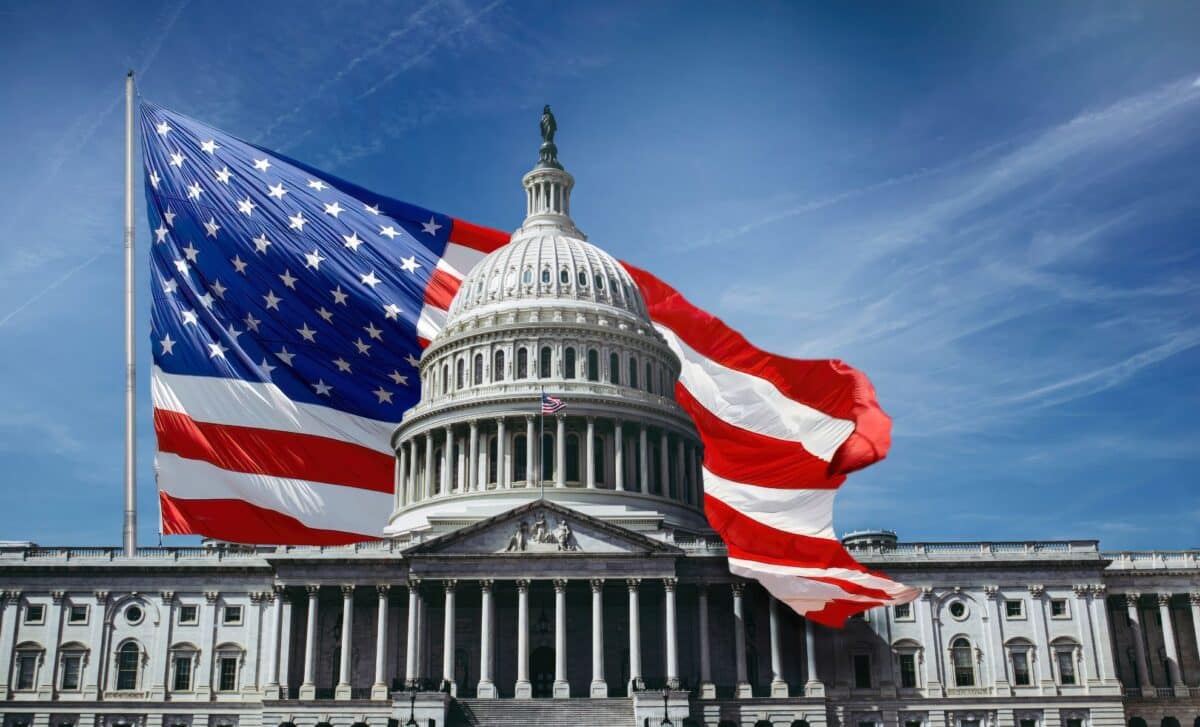
As the longest government shutdown in U.S. history draws to a close, its toll on the economy remains undeniable. From missed paychecks to disrupted air travel, the shutdown has disrupted much of daily life, with long-term consequences yet to fully unfold.
While federal employees will soon receive back pay, the shutdown has already altered consumer behavior and hindered various industries. The full scope of its impact includes not only direct economic losses but also a broader sense of uncertainty, particularly as essential government services were put on hold.
Missed Paychecks and Consumer Disruption
The U.S. government shutdown has caused significant financial strain for federal employees, with approximately 1.25 million workers going without pay since October 1. According to the Congressional Budget Office, these missed paychecks are expected to total about $16 billion by mid-November. Though workers will receive retroactive pay once the government reopens, the immediate consequences for the economy are already felt.
A large portion of the lost wages was directed toward everyday spending at restaurants, stores, and in the service industries. With less disposable income, many workers have cut back on discretionary purchases, including holiday travel and dining out.
“Short-lived shutdowns are usually invisible in the data, but this one will leave a lasting mark, both because of its record length and the growing disruptions to welfare programs and travel.” said Gregory Daco, chief economist at EY. For businesses reliant on consumer spending, this temporary disruption has dealt a serious blow to revenue generation, particularly in the Washington, D.C. area, where federal workers make up a substantial portion of the local workforce.
Flight Cancellations and Travel Industry Losses
Another major area of disruption has been the travel industry. With the Federal Aviation Administration (FAA) unable to operate at full capacity, airlines have canceled thousands of flights, severely affecting air travel across the nation. By mid-November, over 5,500 flights had been scrapped since the shutdown began, contributing to an estimated $2.6 billion in losses for the tourism sector.
The shutdown has also disrupted business travel, tourism, and consumer bookings. According to Tourism Economics, a consulting firm, the resulting flight cancellations are expected to extend into the coming weeks. Moreover, as travelers have already canceled upcoming trips, many of these bookings may never be rescheduled, further compounding losses in the hospitality and transportation sectors.
The ripple effects are also being felt by smaller businesses, such as hotels, taxi services, and restaurants, which depend on the flow of travelers. In the absence of government employees and contractors traveling for business or pleasure, these companies are experiencing a reduction in their customer base, leaving many to grapple with lost revenue that cannot be easily recovered.
Ongoing Economic Strain Amid Federal Disruptions
While the government shutdown has not caused an immediate recession, it has added to the existing economic challenges facing the country. Sluggish hiring, inflation, and trade uncertainties already weighed heavily on businesses. However, the prolonged shutdown has amplified these issues, particularly in sectors most reliant on federal funding and services. For example, the Department of Defense and NASA halted new contracts, while data on unemployment, inflation, and consumer spending was delayed.
With federal workers and contractors both affected by the closure, the shutdown has brought the federal workforce’s vulnerability into sharper focus. In total, nearly 650,000 workers were furloughed or forced to work without pay. This has pushed the unemployment rate slightly higher, as many of these workers would normally be counted as employed. However, economists believe that once the shutdown concludes, most of these workers will return to their jobs and be retroactively compensated.
Despite the temporary setbacks, some economic recovery is expected once the government reopens, particularly in consumer spending. Nevertheless, according to analysts, the lasting impact of disrupted services and postponed spending may continue to be felt well into the coming months.