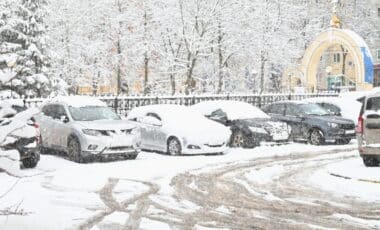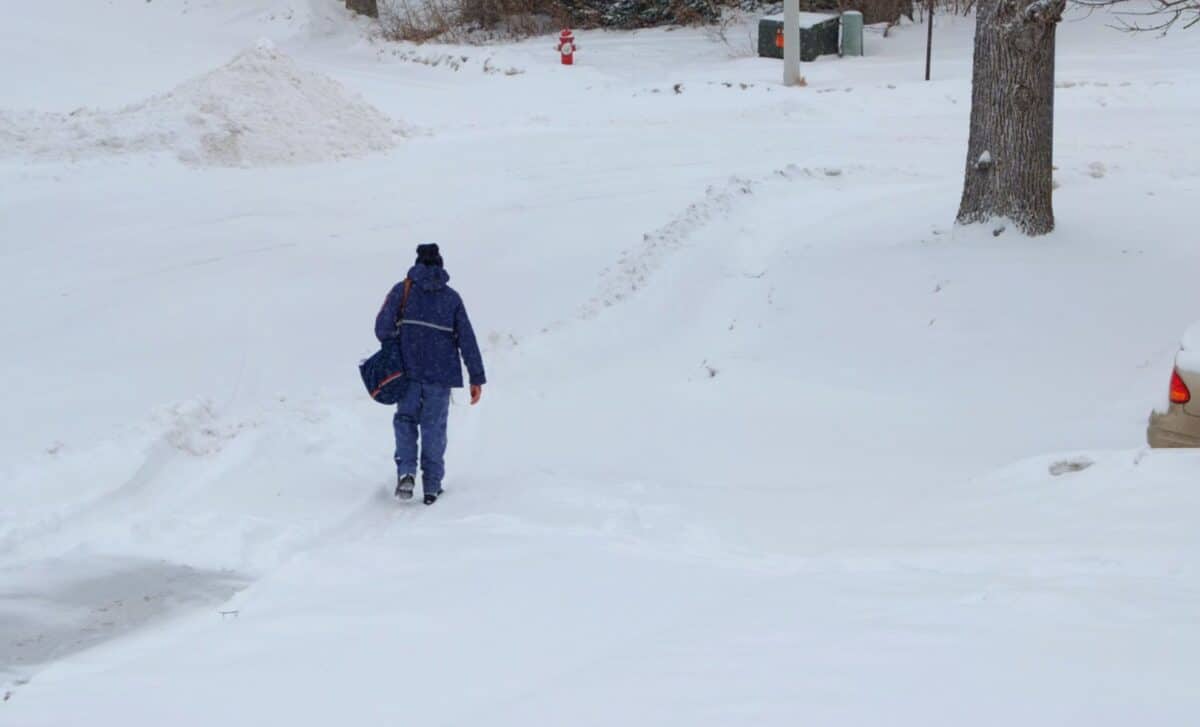
A powerful winter storm rapidly intensified into a bomb cyclone this weekend, striking the southeastern United States with a rare combination of heavy snowfall, sub-freezing temperatures, and severe wind gusts. From the Smoky Mountains to South Florida, the storm left a wide trail of disruption, cutting power to thousands and triggering mass flight cancellations.
This weather system, classified as a “bomb cyclone” due to its rapid drop in atmospheric pressure, marks one of the most intense cold events to hit the region in decades. As of Sunday morning, around 150 million Americans were under cold weather advisories, and more than 100 deaths linked to the cold have been reported nationwide, according to CBS News.
Historic Snowfall and Widespread Travel Disruptions
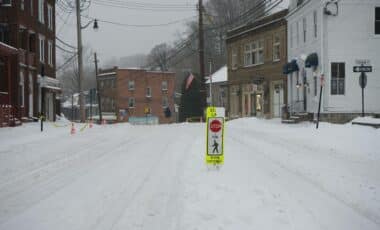
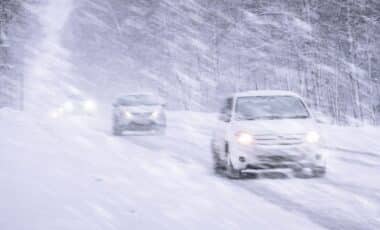
Charlotte, North Carolina, recorded approximately 11 inches of snow, marking its heaviest snowfall in over two decades. Higher elevations, including the Smoky Mountains, saw totals exceeding 20 inches. This dramatic weather shift led to more than 1,000 traffic collisions in North Carolina alone, with state officials urging residents to stay off the roads.
North Carolina Governor Josh Stein confirmed that at least two people died due to storm-related conditions. “Black ice is going to remain a risk throughout the week because of below-freezing night-time temperatures,” Stein said, as reported by The Guardian.
Flight disruptions rippled across the country, with over 2,800 flights cancelled on Saturday and another 1,800 grounded on Sunday. More than 800 of these were associated with Charlotte Douglas International Airport, a key travel hub in the Southeast. According to FlightAware, the ongoing storm made snow removal and airport operations increasingly difficult due to limited resources and persistent freezing winds.
Power outages compounded the crisis. According to CBS News, over 102,000 homes and businesses across the Southeast remained without electricity Monday morning, many of them still recovering from a previous ice storm. In Tennessee and Mississippi, utility companies struggled to restore power, with Tennessee Governor Bill Lee expressing frustration at the pace of recovery.
Florida’s Rare Deep Freeze and Ecological Consequences
The storm’s reach extended unusually far south, with Florida experiencing temperatures not seen in over three decades. According to The Guardian, Miami recorded a low of 35°F on Sunday, its coldest morning since 2010. Daytona Beach, Melbourne, and Vero Beach also hit record lows.
The cold had unusual effects on the state’s wildlife. Cold-stunned iguanas, immobilized by the temperature drop, were seen falling from trees in South Florida. The Florida Fish and Wildlife Conservation Commission (FWC) issued a temporary executive order allowing residents to collect and transport the reptiles without permits, warning that extended exposure to freezing conditions could be fatal to the invasive species.
Agriculture also felt the impact. According to CBS News, farmers across the state sprayed frost-sensitive crops like strawberries and oranges with water to create protective ice layers. In Apopka, workers coated nursery plants with ice as a form of insulation, a rare but necessary practice during Florida freezes.
Northern cities were not spared either. New York City, currently enduring a second consecutive week of sub-freezing temperatures, has reported at least 14 weather-related deaths. According to The Guardian, Mayor Zohran Mamdani stated that hypothermia “played a role” in at least eight of them.
While the Arctic air mass is expected to begin lifting in the coming days, the storm’s aftermath will likely persist. With lingering road hazards, continued power outages, and mounting fatalities, recovery efforts are now the focus across the battered eastern half of the United States.