A vast polar air mass has plunged the U.S. into its coldest spell in years, leaving over 160 million people under extreme cold alerts. With wind chills dropping below minus 60°F in parts of Alaska and widespread outages across the South, communities brace for prolonged freezing conditions.
The National Weather Service has issued extreme cold and hypothermia warnings across more than 20 states, affecting over half the U.S. population. States unaccustomed to such conditions (like Florida, Louisiana, and Texas) are facing severe wind chills that threaten lives and infrastructure.
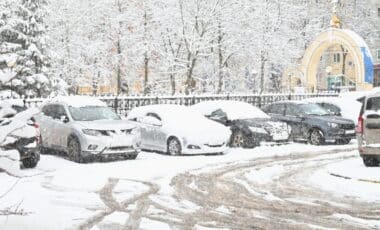
This unprecedented freeze follows Winter Storm Fern, which blanketed nearly 30 states with snow and ice, and is now being succeeded by a secondary Arctic blast sweeping eastward. Authorities across the country are opening emergency shelters, issuing boil-water notices, and urging people to check on vulnerable neighbors.
Dangerous Wind Chills and Widespread Impact
From the southern tip of Texas to the western Arctic plains of Alaska, dangerously low temperatures are pushing communities to the edge. In Alaska’s Delong Mountains and Howard Pass, wind chills as low as minus 70°F have been recorded, with the NWS warning that “frostbite can occur on exposed skin in as little as five minutes.” According to Newsweek, parts of the Midwest, such as Ohio and Indiana, are also experiencing wind chills as low as minus 25°F, while the southern U.S. grapples with an unfamiliar and dangerous freeze.
The National Weather Service reports that 160 million people were under extreme cold warnings as of Tuesday morning, with states including Mississippi, Georgia, and Alabama seeing wind chills plunge to single digits. The cold is proving deadly: at least 23 people have lost their lives in storm-related incidents, according to a compilation of state authorities cited by AFP, including hypothermia, sledding accidents, and incidents involving snowplows.
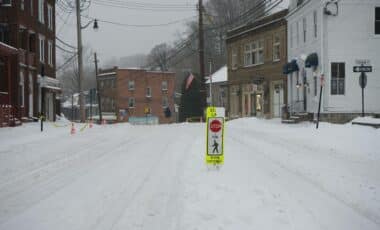
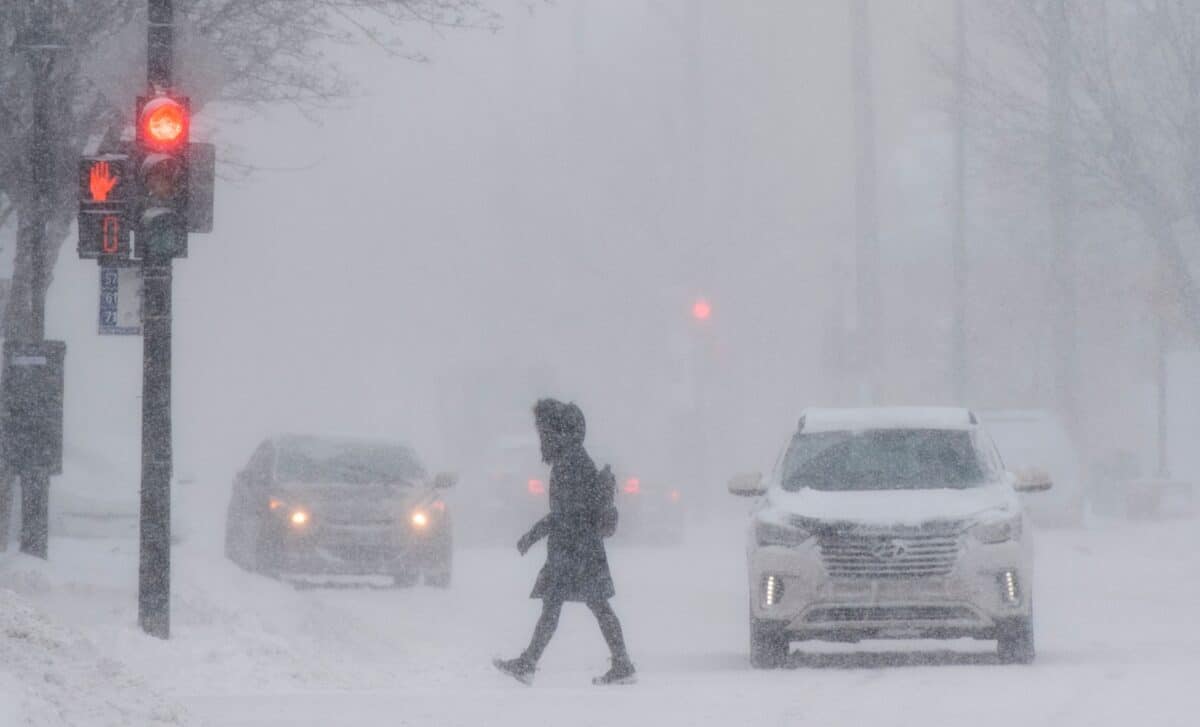
In the Northeast, snowfall has compounded the crisis. Boston recorded more than 16 inches, while Pittsburgh received over 20 inches of snow along with minus 25°F wind chills. According to NBC News, Pittsburgh officials declared a state of emergency after 37 snowplows broke down in the frigid conditions.
Infrastructure Strained as Outages and Shelter Needs Grow
The deep freeze has severely strained infrastructure, particularly in the South. According to NBC News, over 500,000 energy customers were still without power early Tuesday, including 178,000 in Tennessee and 140,000 in Mississippi. Louisiana, Texas, and Alabama also saw thousands without electricity, raising the risk for people trapped in unheated homes.
To prevent damage from frozen pipes, the NWS has advised homeowners to wrap and drain outdoor plumbing and keep indoor taps running slowly. In Monroe, Louisiana, city officials issued a precautionary boil-water notice, citing “temporary operational challenges” and concerns over microbiological quality caused by the cold.
New York City, meanwhile, declared an “enhanced code blue,” mobilizing more than 50 hospitals and shelters to provide warmth to those without housing. In Dallas, local authorities reported that more than 1,100 unhoused people sought shelter.
The forecast offers little relief. According to the National Weather Service, a new wave of Arctic air is expected to move through the Plains and into the Eastern Seaboard by the weekend. This could lead to the longest cold spell in decades, with temperatures remaining below seasonal norms into next week. For now, emergency services remain on high alert, power crews work around the clock, and millions wait for the thaw.