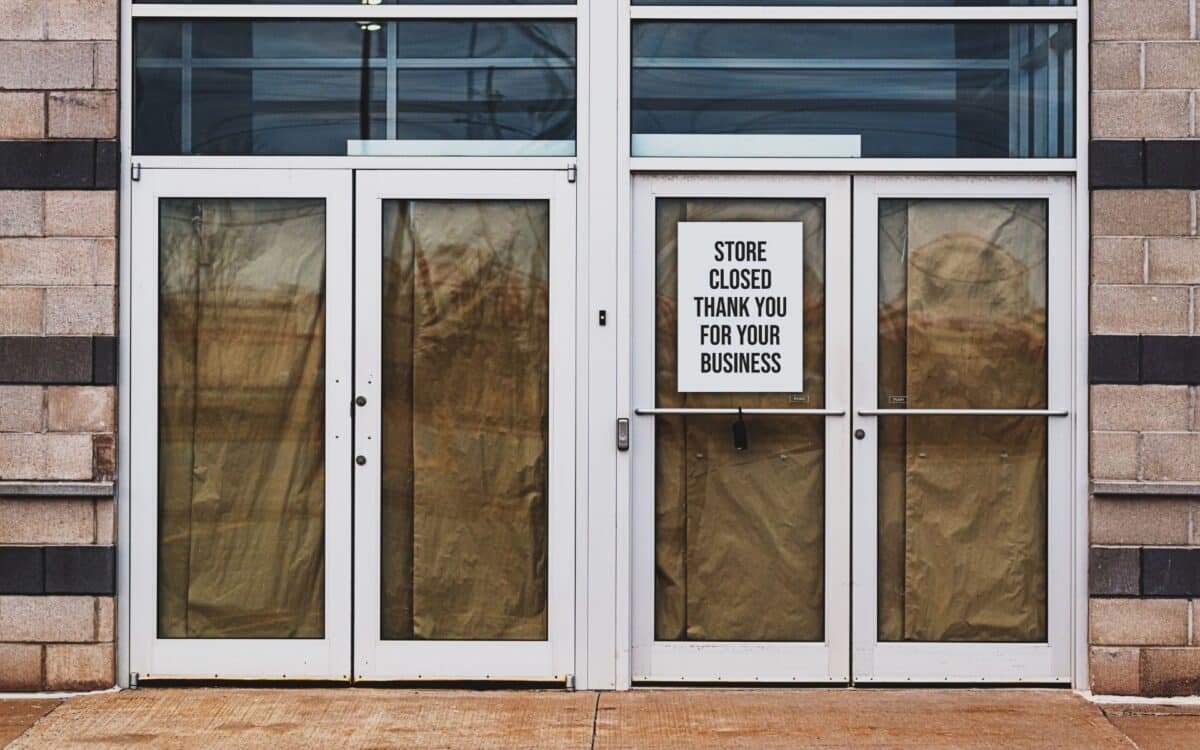
The retail industry is encountering significant challenges in 2025, marked by a wave of retail closures across various brands throughout September. Inflation, changing consumer behaviors, and the lasting effects of the COVID-19 pandemic have caused many companies to rethink their physical store operations. As more shoppers turn to online platforms, traditional brick-and-mortar stores are facing increased difficulties.
According to Newsweek, this shift in consumer habits is contributing to an acceleration in closures, signaling potential long-term changes in the retail sector. This article provides an overview of key store closures in September and explores the broader trends affecting the industry.
At Home: Significant Store Closures Across 12 States
At Home, the Dallas-based home goods retailer, has been severely impacted by financial difficulties, including a $2 billion debt. As a result, the company has filed for Chapter 11 bankruptcy and plans to close 26 stores in 12 states by the end of September.

At Home, which previously operated more than 250 stores, is shutting down locations that have been deemed “underperforming.” This is part of a larger strategy to streamline operations and reduce costs.
Affected Locations:
- California: San Jose, Tustin, Costa Mesa, Pasadena, Chico, Foothill Ranch, Sacramento, Long Beach
- Florida: North Miami
- Illinois: Peoria, Crestwood
- Massachusetts: Shrewsbury, Dedham
- Minnesota: Rochester
- Montana: Billings
- New Jersey: Middletown Township, Ledgewood, Princeton
- New York: Rego Park, Bronx
- Pennsylvania: Pittsburgh
- Virginia: Leesburg, Manassas
- Washington: Yakima, Bellingham
- Wisconsin: Wauwatosa
This significant downsizing highlights the continuing struggles in the retail space as At Home seeks to reduce its footprint and recover from its financial setbacks.
Kroger: Store Closures Amid Financial and Legal Troubles
Kroger, one of the largest grocery chains in the U.S., is also facing difficulties. On September 19, two Kroger stores will close in Abingdon, Virginia, and Kingsport, Tennessee. The closures come as part of Kroger’s effort to refocus on the most profitable locations in a challenging market.

The United Food & Commercial Workers Local 400 Union has expressed concerns over the impact of these closures, especially in rural areas where grocery stores are often few and far between. Mark Federici, president of the union, criticized Kroger for prioritizing Wall Street investors over customers and employees, stating,
The communities served by our members at these stores will suffer as a direct result of Kroger prioritizing Wall Street investors over their customers and hard-working employees.
Kroger’s decision to close stores follows a failed merger with Albertsons and the company’s involvement in several lawsuits. Financial pressures are compounded by the ongoing competition from online grocery retailers and a general shift in consumer behavior away from physical stores.
According to Drew Powers, founder of Powers Financial Group,
Kroger is forced to pare back and focus on only the most profitable locations under their brand name.
Claire’s: Filing for Bankruptcy and Facing Store Closures
Claire’s, the popular fashion and jewelry retailer, filed for bankruptcy again in August, marking its second filing since 2018. The company, which has more than 2,300 stores globally, is burdened with $690 million in debt. If the company cannot find a buyer, it may be forced to shut down all of its stores.
The competition in the retail industry, combined with rising mall rental prices and tariffs on goods, has made it increasingly difficult for Claire’s to remain profitable. While the brand still holds significant market presence, the company’s financial struggles indicate the broader challenges faced by many retail chains, particularly those in the fashion sector.
The Broader Impact: Consolidation, Consumer Concerns, and Retail Closures
The wave of retail closures raises important questions about the future of the retail industry. Research from Green Street Advisors predicts that 25% of America’s largest shopping malls could close by 2027. This trend is a direct result of shifting consumer habits, particularly the rise of online shopping, which has accelerated since the pandemic.
Retail closures are becoming a key focus in 2025, as experts like Alex Beene, a financial literacy instructor, suggest that 2025 will be a critical year for retail, marking a period of “efficiency” where companies will take a hard look at profitability and close underperforming stores. Beene explains,
For some retailers, the answer is to simply close them, citing continued issues with profitability among other issues that may apply to certain storefronts.
Drew Powers, founder of Powers Financial Group, adds a cautionary note:
Consolidation in the retail sector is not a good thing for consumers. Coupled with recent inflation, a lack of competition, and possibly higher prices will truly hurt shoppers.