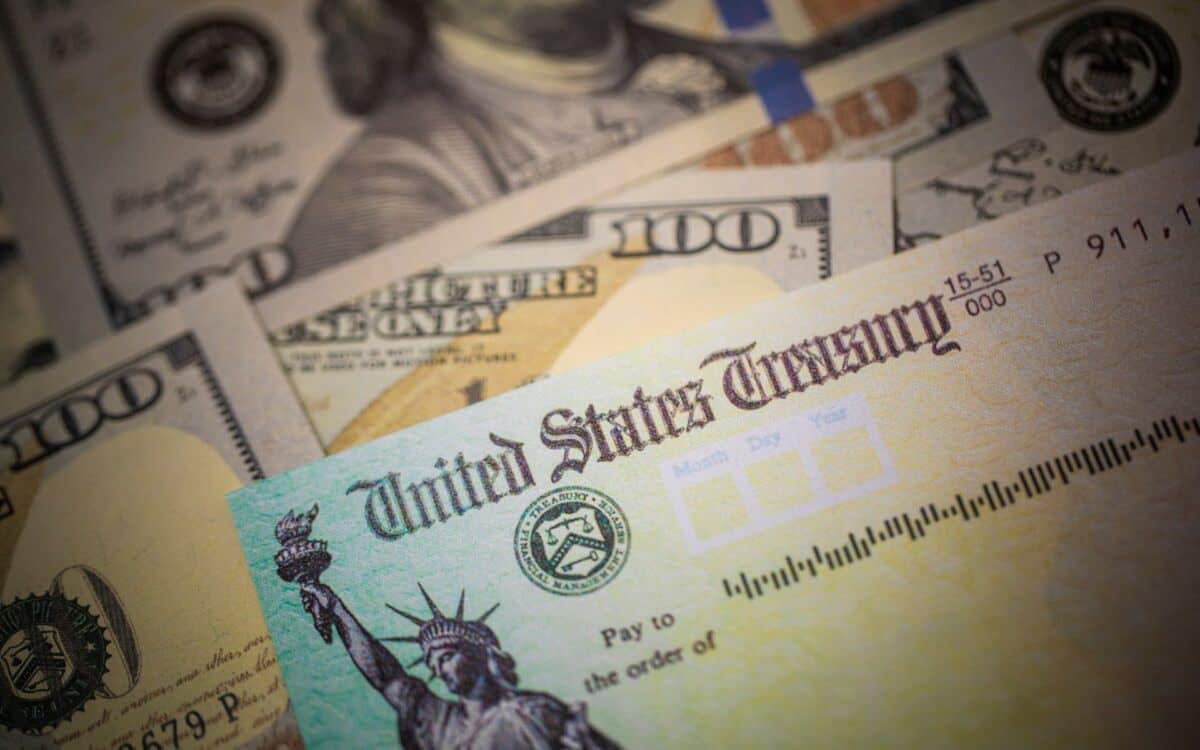
A new proposal by Republican Senator Josh Hawley is gaining attention for its potential to provide direct financial relief to millions of Americans. The bill, known as the Reimbursement for American Workers Act, seeks to distribute stimulus payments of at least $600 to American workers and their families.
The aim of the bill is to offer financial support similar to the direct payments issued during the COVID-19 pandemic. The proposal includes a check of at least $600 per adult and each dependent child, ensuring that all household members benefit from the assistance. According to Marca, the details of the bill could potentially impact how families receive the aid.
Overview of the Proposed Bill
Senator Josh Hawley’s new bill promises to return some of the wealth generated by the tariffs imposed during the Trump administration. The bill outlines that every adult and dependent child in the country will receive a minimum of $600.
However, if tariff revenues exceed current projections for 2025, there will be an opportunity for larger payments. The proposal, part of a wider discussion around economic policies, aims to provide financial relief by directly tapping into the tariff revenues, similar to the capital injection discussed in previous financial debates.
Santander, a prominent bank in the U.S., may play a role in the distribution of these funds, as financial institutions are typically involved in managing such widespread payments.
Who Could Benefit From the $600 Stimulus Payment?
The proposed stimulus checks would primarily benefit lower-income individuals and families, with higher-income households receiving a reduced payment. Specifically, the refund will decrease by 5% for people who file taxes jointly with an income greater than $150,000, a head of household with an income greater than $112,500, and an individual whose income exceeds $75,000.

This will ensure that the stimulus is directed toward those who need it most while reducing the burden on higher-income individuals.
It is expected that families with lower income will receive the full $600, and those in higher tax brackets will see a decrease, as outlined in the original bill. Santander may be one of the key banks through which individuals and families will receive their checks if the proposal is passed.
The Impact of Tariff Revenues on the Bill
The bill is largely based on the concept that the revenue generated from Trump’s tariffs could be used to provide direct financial relief to American families.
Americans deserve a tax break after four years of Biden’s policies that have devastated families’ savings and livelihoods. As President Trump proposed, my legislation would allow hard-working Americans to benefit from the wealth that Trump’s tariffs are bringing back to this country – Hawley explained in an official statement.
By tapping into these funds, the proposal aims to provide economic support to households struggling under the weight of recent financial challenges.
Santander, as a global financial player, may also be instrumental in helping families navigate this economic challenge and manage the funds effectively.
Reactions and Potential Outcomes
While the bill is still under consideration, it has sparked debate regarding its potential impact on the economy and its fairness. Proponents argue that it would provide necessary relief to families, while critics question the reliance on tariff revenues as a sustainable source of funding.
If the bill passes, Santander and other banks could play a pivotal role in disbursing these funds quickly and securely, helping American families recover from the financial hardships caused by the pandemic and the current economic climate.