
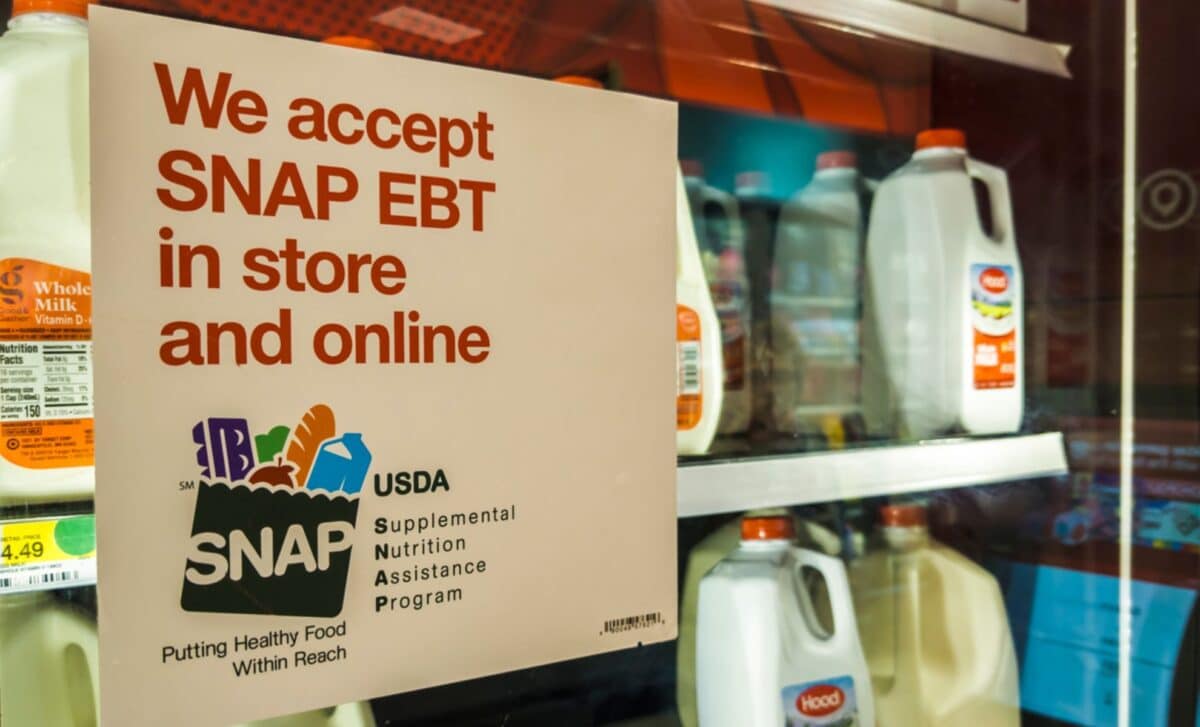
Millions of Americans who rely on the Supplemental Nutrition Assistance Program (SNAP) face stricter eligibility rules as new federal work requirements come into force. Beginning February 1, these changes will affect a broader range of recipients, ending long-standing exemptions for vulnerable groups and reshaping access to food assistance.
The updated policy is part of the “One Big Beautiful Bill” signed into law by President Donald Trump in July 2025. The legislation, which follows months of political gridlock and a 43-day government shutdown, marks a significant shift in how states implement and manage SNAP support. As of this week, the new regulations are being enforced across multiple states with varying timelines.
Expanded Work Obligations for Able-Bodied Adults
Under the revised SNAP guidelines, all able-bodied adults between ages 18 and 64 must now either work, volunteer, or attend job training programs for at least 80 hours per month to maintain eligibility. Prior to these changes, the work requirement applied mainly to individuals aged 18 to 54 who had no dependents under 18. The updated criteria expand this scope to include adults up to age 64, as well as parents whose children are 14 or older.
The legislation also eliminates long-standing exemptions for certain populations. Veterans, people experiencing homelessness, and young adults who recently aged out of foster care will no longer be automatically excluded from work rules. These individuals must now also meet the 80-hour monthly threshold to qualify for continued assistance.
If recipients fail to meet the requirement, they may only receive SNAP benefits for three months during any 36-month period. These limits were previously subject to state-level waivers in areas with high unemployment, but the new law restricts those options. States may now only apply for a waiver if their regional unemployment rate exceeds 10%.
In addition to tightening participation rules, the legislation shifts some financial responsibilities to state governments. States are now required to cover up to 15% of benefit costs and absorb up to 75% of administrative expenses, depending on their payment error rates. These adjustments may influence how states administer the program moving forward.
Concerns over Impact on Vulnerable Households
According to the Congressional Budget Office, the new work rules and related policy adjustments are projected to reduce SNAP participation by approximately 2.4 million people over the next decade. While supporters of the law emphasize the need to cut down on misuse and encourage employment, some advocacy organizations have expressed concern about the effect on low-income Americans.
Shailly Barnes, policy director at the Kairos Center, told USA Today that removing protections for vulnerable individuals may result in greater food insecurity. “You just have to wonder what the administration is trying to accomplish by removing protections,” she said, noting the risk that some recipients may lose access to assistance despite their limited ability to work.
SNAP, formerly known as the food stamp program, currently provides food purchasing support to about 42 million Americans, roughly one in eight people. According to Fox29, most recipients are in households with children, elderly individuals, or people with disabilities, and the average monthly benefit per person is approximately $190.
While the new work requirements have already taken effect in several states such as Texas and Colorado, others like Ohio and Illinois began enforcement on February 1. California has received a temporary waiver through early 2027 due to higher regional unemployment, but most exemptions across the country have either expired or are ending soon.
The United States Department of Agriculture, which oversees SNAP, has maintained that the reforms are designed to increase program integrity and ensure that benefits go to those who are truly in need. Still, with implementation underway, the true impact of the new rules will likely unfold over the coming months.