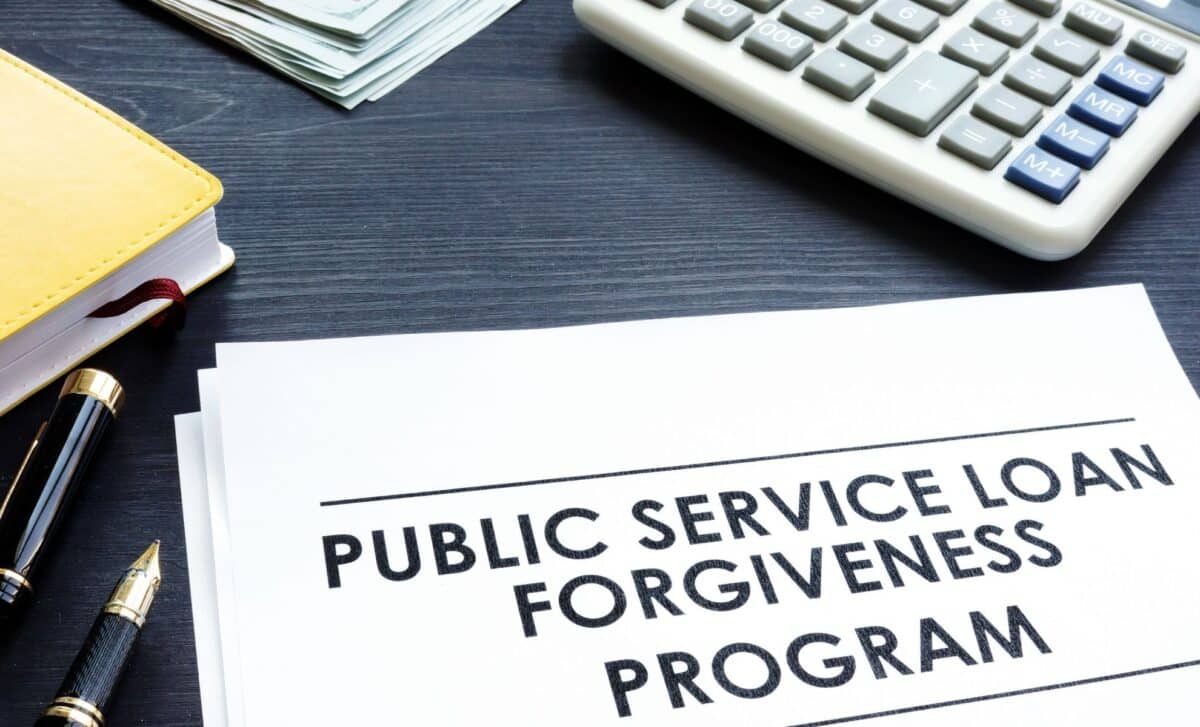
The PSLF program, designed to offer student loan relief to individuals working in public service roles, has long been a crucial tool for incentivizing careers in education, healthcare, law enforcement, and other essential sectors. However, the proposed changes could alter who is eligible for the program, leaving thousands of workers in limbo as they near the threshold for loan forgiveness. The controversy lies in how broadly the government defines what constitutes an “illegal activity” that could disqualify an organization from the program.
The Trump Administration’s Justification: Safeguarding Public Funds or Political Agenda?
The Department of Education’s new rule targets organizations involved in illegal activities like supporting terrorism, trafficking, or violating child abuse laws. These organizations would be excluded from PSLF eligibility, meaning employees working at them would lose their access to loan forgiveness. According to Nicholas Kent, the undersecretary of Education, the change is intended to ensure taxpayer funds are not used to support organizations engaged in illegal actions. “Taxpayer funds should never directly or indirectly subsidize illegal activity,” Kent explained.
Supporters of the regulation argue that this is necessary to safeguard the integrity of PSLF, ensuring that the program is only available to public service workers employed by organizations that comply with the law. However, critics warn that the rule may be too vague, with some fearing that it could be wielded to target organizations and public service jobs that the administration ideologically opposes.
Potential Consequences for Public Service Workers
If implemented, the new rule could pose a serious challenge for public service workers who are close to qualifying for PSLF but work for employers now deemed ineligible. This is a particularly concerning issue for those working in smaller towns or rural areas, where finding a new employer in time to meet the 120-payment requirement may not be feasible. Public service loan forgiveness depends on consistent employment with a qualifying employer, and if the employer is suddenly disqualified, workers could be left without the benefits they’ve worked toward for years.
The new regulation has also raised concerns about its potential to limit the pool of employers eligible for PSLF, which could discourage new applicants from entering public service careers. By making the application process more restrictive, the administration may unintentionally deter individuals from pursuing critical roles in education, healthcare, law enforcement, and other sectors that depend on public service workers.
As it stands, the rule will go into effect on July 1, 2026, but only applies to actions occurring after that date, meaning it will not affect individuals who have already made qualifying payments under the existing rules. The ambiguity around what qualifies as an illegal activity, however, has left many in doubt about how it will be enforced and whether it will disproportionately affect specific groups of workers.