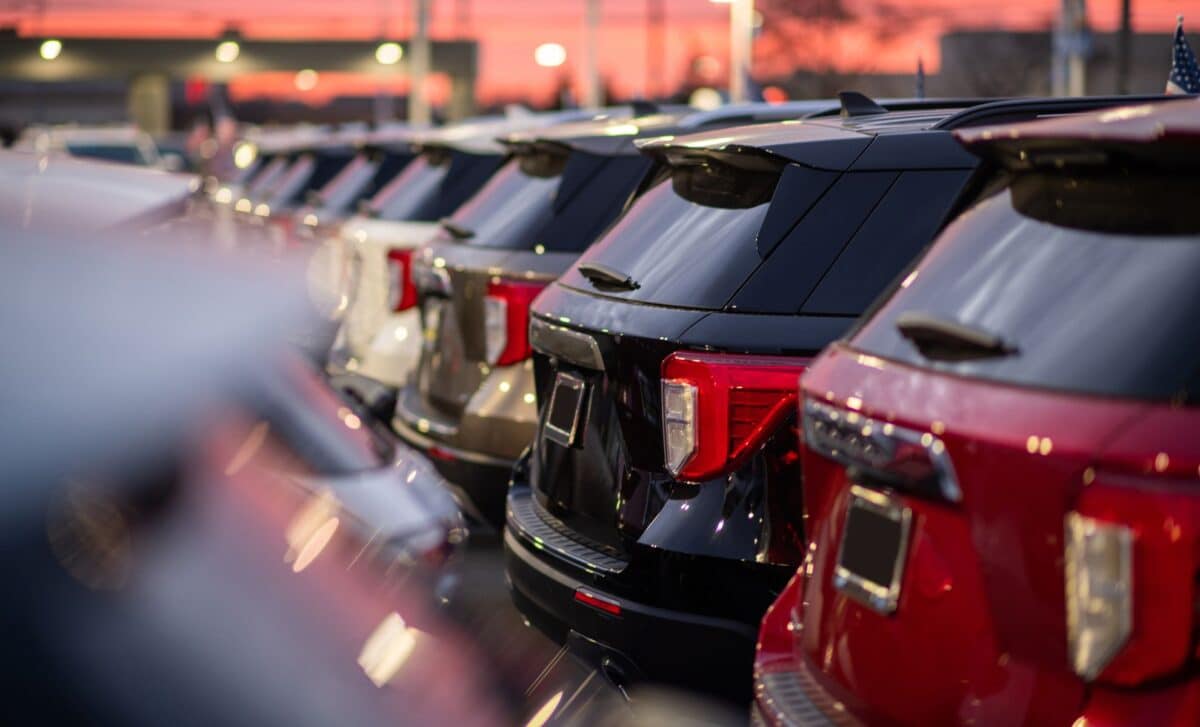
The U.S. new car market is showing signs of resilience, despite facing steep prices, rising loan costs, and weakening consumer confidence. A closer look at who is still buying reveals a stark shift in purchasing power, high-income Americans are now the primary engine behind new vehicle sales.
This shift marks a notable transformation in consumer behavior and market dynamics. New cars, once a more evenly distributed consumer good, are increasingly becoming a product for wealthier households, reflecting broader trends in the U.S. economy.
High-Income Households Now Dominate New Car Purchases
New car sales in the United States reached approximately 16.3 million units in 2025, modestly higher than previous years, despite broader economic challenges. According to Cox Automotive, this growth is largely due to strong purchasing activity by Americans earning $150,000 or more per year, who now represent 43 percent of all new car buyers, up from one-third in 2019. In contrast, households earning less than $75,000 account for only a quarter of sales, down from over a third before the COVID-19 pandemic.
The divide is not just about the number of cars sold, but also the types of vehicles being purchased. According to the same source, sales of large SUVs, which average around $77,000, increased by 15 percent in 2025. Meanwhile, sales of mid-sized cars, with an average price of $33,000, declined by the same margin.
These preferences reflect the purchasing power of buyers like Dave Kasper of Ann Arbor, Michigan, who, after retiring at 61, bought multiple new vehicles including a $93,000 Lexus plug-in hybrid SUV. “I’m fortunate,” he told The New York Times, describing his ability to absorb rising vehicle costs and trade in models when dissatisfied.
Tariffs, increased production costs, and a shortage of parts have contributed to a steady climb in car prices since 2020. Production slowdowns during the pandemic and supply chain disruptions, especially the shortage of computer chips, led to significantly reduced inventory, which in turn drove prices higher. According to S&P Global, the average vehicle age on American roads hit 12.8 years in 2025, reflecting the delays many consumers faced in replacing older models.
Economic Pressure Limits Lower-Income Access to New Vehicles
While the market is holding steady in terms of overall sales, deeper analysis reveals signs of strain. The average interest rate for auto loans rose to 9.3 percent in 2025, up from 8.7 percent the year before. According to Cox, it now takes more than 36 weeks of average income to afford a new vehicle, compared to 34 weeks in 2019. These figures point to a growing burden for middle- and lower-income households, many of whom are turning to the used car market or delaying purchases altogether.
Cox’s chief economist, Jonathan Smoke, described the trend as a “bifurcation of the market,” where spending is increasingly led by consumers who are less affected by inflation or borrowing costs. “Lower-income households continue feeling the strain of stretching their paychecks,” Smoke said. The result is a shrinking pool of buyers who can realistically afford new vehicles, and a growing reliance on high-income individuals to sustain sales volume.
Although automakers like Toyota reported strong year-end results, selling 2.5 million cars and light trucks in the U.S., up 8 percent from 2024, analysts remain cautious. Sales in the final quarter of 2025 slowed compared to earlier in the year, and consumer sentiment remains subdued. According to the University of Michigan, confidence in December 2025 was notably lower than in December 2024, hinting at a more uncertain year ahead.
While sales remain steady for now, the industry faces growing unease over tariffs, interest rates, and fading consumer sentiment. Some in the auto sector are tempering expectations as the new year begins. “I just hope it doesn’t get worse,” said Alan Haig, president of Haig Partners, a consulting firm that advises car dealerships.