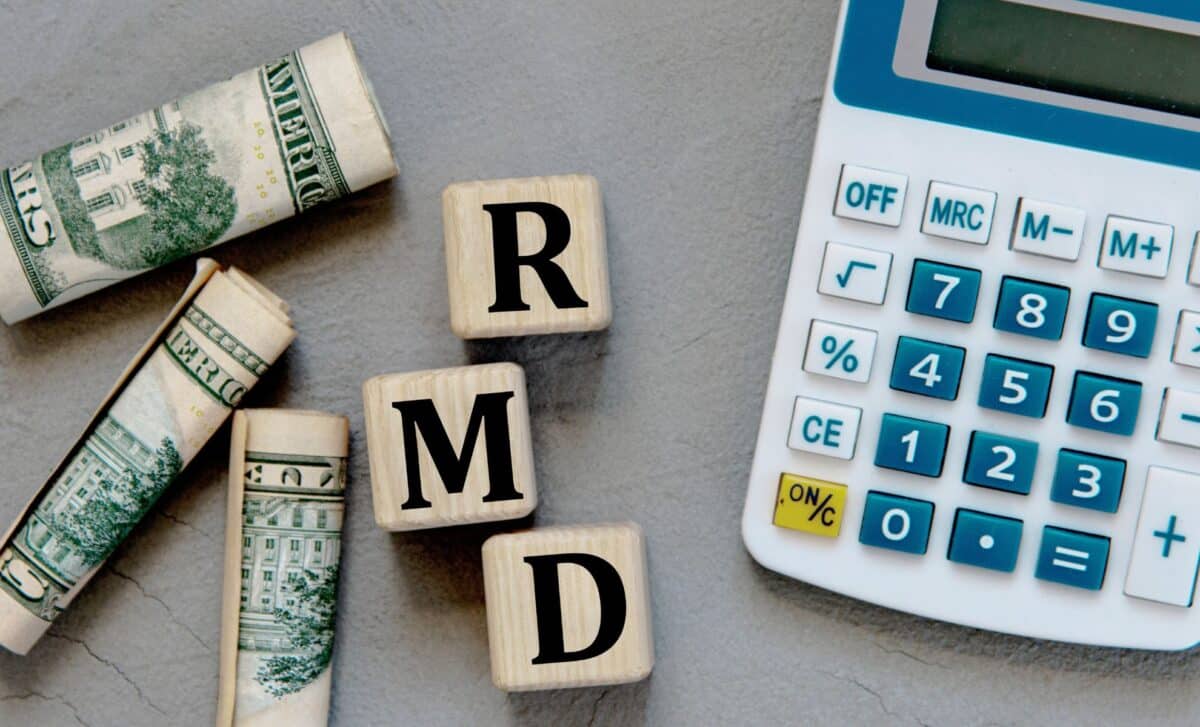
Once you hit 73, it’s time to start withdrawing money from your tax-deferred retirement accounts, whether it’s a 401(k), IRA, or other similar plans. These mandatory withdrawals, known as Required Minimum Distributions (RMDs), are an essential part of retirement planning.
The Importance of RMDs in Retirement Planning
Retirement accounts like 401(k)s and IRAs offer significant tax benefits—allowing you to grow your savings without paying taxes on the gains until withdrawal. However, the IRS wants its share at some point, and that’s where RMDs come in. Starting at age 73, the government requires that you begin taking withdrawals from these tax-deferred accounts. The purpose is to ensure that you eventually pay taxes on the money you’ve saved over the years.
Failure to take your RMD on time can result in hefty penalties, which is why it’s critical to understand how these withdrawals work. The formula for calculating your RMD is simple: take your account balance at the end of the previous year and divide it by a “life expectancy factor” (LEF), which is published by the IRS based on your age. Understanding how this process works is key to avoiding penalties and keeping your retirement plan on track.
How RMDs Are Calculated
According to the IRS, the calculation of an RMD is based on two key factors: the account balance as of the previous year’s end and the LEF, which varies depending on your age. For example, if you have a balance of $1 million in your retirement account at the end of 2024, here’s how your RMDs look through your early retirement years:
- Age 73: $37,736 (LEF of 26.5)
- Age 74: $39,216 (LEF of 25.5)
- Age 75: $40,650 (LEF of 24.6)
- Age 76: $42,194 (LEF of 23.7)
- Age 77: $43,668 (LEF of 22.9)
This formula continues with progressively smaller LEFs as you age, meaning that your required withdrawal increases as you get older.
These numbers are based on the IRS’s “Uniform Lifetime Table,” which applies to most retirees. For those whose spouse is more than 10 years younger, there are adjustments. The key takeaway is that your withdrawals will grow over time, though the rate of increase depends on how long you live and the performance of your retirement accounts.
What Happens if You Miss Your RMD
Missing an RMD can be costly. The IRS imposes a stiff penalty for failing to withdraw the required amount: 25% of the missed distribution. If you correct the mistake within two years, that penalty drops to 10%. This makes it crucial to stay on top of your RMDs to avoid such penalties, which can quickly erode your retirement savings.