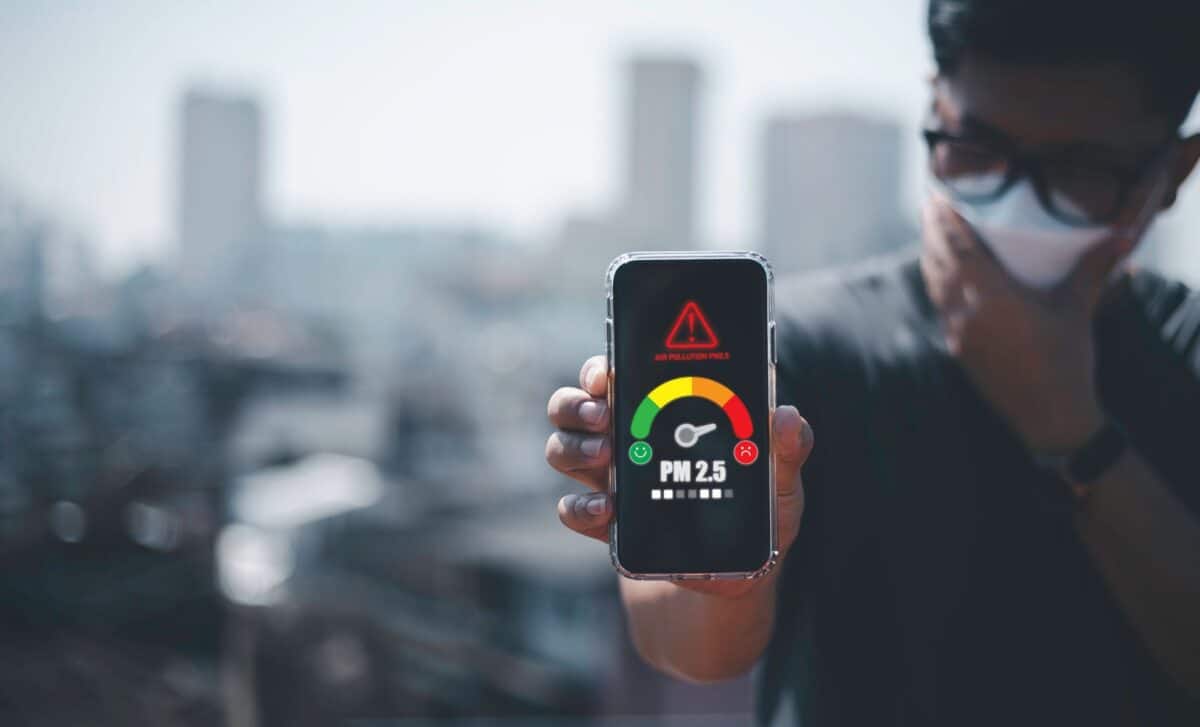
Over a million residents in Pennsylvania, particularly in the Susquehanna Valley, have been warned to avoid strenuous outdoor activity due to concerning levels of fine particle pollution. The National Weather Service (NWS) issued the advisory after air quality reached levels deemed “unhealthy for sensitive groups.” As of 17 February 2026, this warning has impacted thousands of people across the region, particularly those with pre-existing health conditions.
The elevated levels of fine particle pollution, specifically PM2.5, have prompted health authorities to issue a series of safety recommendations. With no clear explanation yet for the cause of this pollution, the affected communities are now facing a series of health risks, particularly in vulnerable groups.
Poor Air Quality Poses Health Risks to Sensitive Groups
The primary concern of the air quality alert is its potential impact on sensitive groups, including children, the elderly, and those with pre-existing heart or lung conditions. According to the Environmental Protection Agency (EPA), fine particles of pollution, such as PM2.5, are so small they can enter the lungs and even the bloodstream, exacerbating existing health issues. These particles, measuring 2.5 micrometres or smaller, can trigger symptoms such as coughing, shortness of breath, and eye irritation. For individuals with conditions like asthma or other respiratory illnesses, the effects can be particularly severe.
The NWS and EPA have advised residents in affected areas to limit outdoor activities, especially strenuous exercise, to prevent inhaling these fine particles. The risk increases for those who are already vulnerable, and prolonged exposure to these pollutants can lead to more serious health complications. This is particularly concerning given the size of the population affected, with over a million people potentially at risk from the current air quality issues.
Authorities Issue Advice to Improve Indoor Air Quality
In light of the warnings about outdoor activity, local authorities are also urging residents to take measures to protect themselves indoors. According to the EPA, poor air quality is not confined to outdoor spaces, and sensitive groups may experience symptoms inside their homes as well. To mitigate these risks, the EPA recommends keeping windows closed and avoiding activities such as burning candles or using wood-burning stoves, which can further degrade indoor air quality. The use of air filters or purifiers is also encouraged to improve air circulation and reduce indoor pollution levels.
Monitoring air quality through the EPA’s AirNow Map, which provides near-real-time updates, has been recommended as a means for residents to stay informed about changes in the air quality status. As air quality levels are monitored, further advisories may be issued depending on the ongoing conditions, but the current guidelines suggest that limiting exposure to outdoor air pollution is the best course of action.
With these recommendations in place, authorities are urging residents to remain vigilant, particularly those in vulnerable groups, until the air quality improves. While the exact source of the pollution has not yet been confirmed, experts note that it could be linked to various factors such as dust from construction sites, vehicle emissions, or even smoke from nearby fires.