
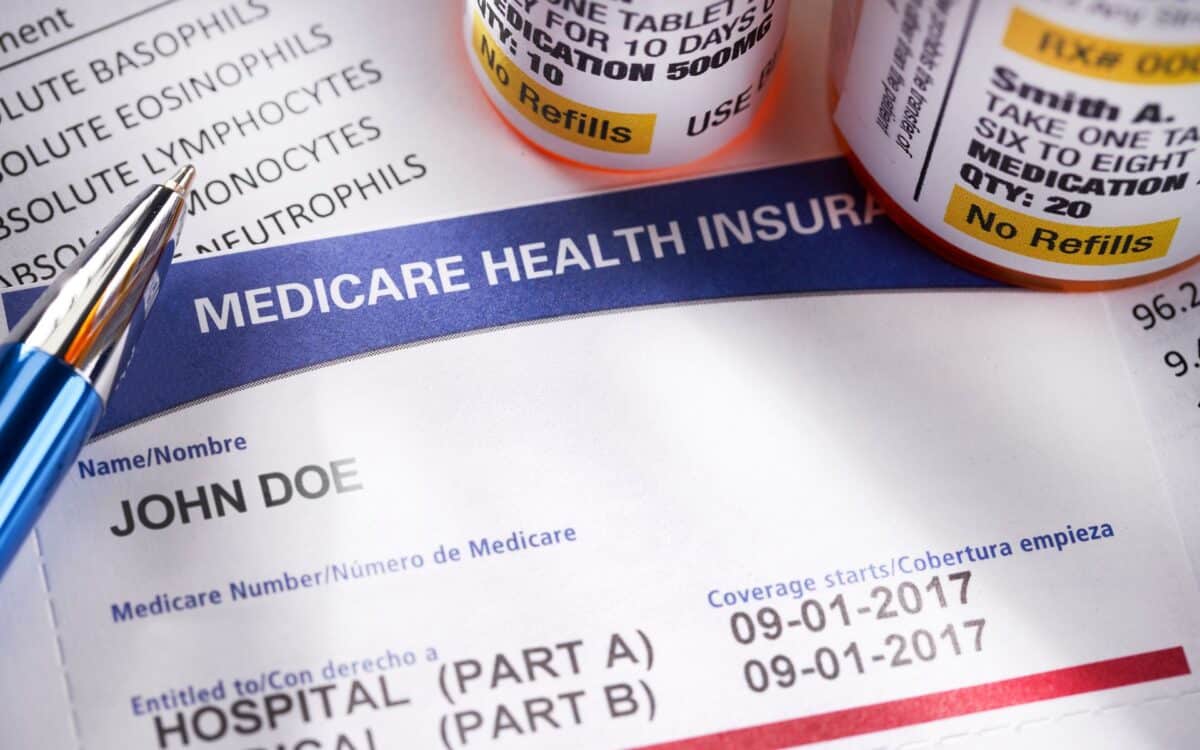
Medicare is a critical part of healthcare coverage for millions of Americans, especially as they approach retirement. While it provides essential coverage through Original Medicare (Parts A and B), many retirees find that it does not fully address all their healthcare needs. According to Marca, this leaves some individuals facing significant out-of-pocket costs.
As a result, supplemental insurance, commonly known as Medigap, has become an option worth considering for many. However, whether Medigap is truly necessary depends on various factors, including health conditions, financial situation, and personal preferences regarding healthcare risk. This article explores these aspects to help you make an informed decision.
The Gaps in Medicare Coverage
Original Medicare provides significant coverage, including hospital stays (Part A) and medical services (Part B). However, Medicare leaves several gaps in coverage that can lead to unexpectedly high medical bills. One notable gap is that beneficiaries are responsible for 20% of the cost of most outpatient care, with no out-of-pocket limit on annual spending. According to CBS News, these costs can add up quickly—thousands of dollars for a single procedure or an extended hospital stay.
Furthermore, Medicare does not cover essential services like dental, vision, hearing aids, or long-term care. These services become especially crucial as we age, yet retirees must pay for them out of pocket. This lack of coverage can place a significant financial burden on those who need these services most.
What Is Medigap and What Does It Cover?
This is where Medigap comes into play. Medigap, or Medicare Supplemental Insurance, helps cover the costs that Medicare doesn’t. Medigap policies are offered by private insurance companies and are designed to pay for things like deductibles, copays, and coinsurance. For example, Plan G is one of the most popular Medigap plans, covering nearly all out-of-pocket costs, except for the Part B deductible.
Medigap premiums vary widely. Monthly premiums can range from $100 to $300 or more, depending on your age, location, and insurer. While these premiums can be an added expense, they are often more manageable than paying for the thousands of dollars in medical bills that Medicare doesn’t cover. This can be especially helpful for retirees who are in good health but want to avoid unexpected healthcare costs.
There is also Plan N, which is another popular option. Plan N provides a more affordable alternative to Plan G but requires some out-of-pocket costs for doctor visits and emergency room visits. Both plans are standardized, meaning the benefits are the same regardless of which insurance company offers them, though prices can differ based on the provider.
When Should You Consider Supplemental Insurance?
Whether or not you should purchase Medigap depends largely on your health, financial situation, and risk tolerance. Some retirees might manage just fine with Original Medicare alone, while others may prefer the peace of mind that Medigap provides.
Consider Medigap if:
- You have ongoing health conditions or expect to see doctors regularly.
- You want predictable healthcare costs with fewer surprises.
- You travel extensively and need nationwide network flexibility.
- You don’t have another type of insurance, such as retiree insurance or Medicaid.
You might skip Medigap if:
- You are healthy and don’t require frequent medical care, making the premium costs unnecessary.
- You already have coverage through another policy, such as employer-sponsored retiree insurance.
- You are enrolled in a Medicare Advantage (Part C) plan, which often includes hospital, medical, and drug coverage bundled together.
As CBS News notes, some retirees “can manage without supplemental coverage” if they are in good health or have a financial cushion. However, for those who anticipate higher medical needs or prefer consistency in their healthcare costs, Medigap offers valuable peace of mind.
Timing and Enrollment in Medigap
Timing is crucial when it comes to enrolling in Medigap. The best time to enroll is during the Medigap Open Enrollment Period, which is the first six months after you enroll in Medicare Part B. During this period, insurance companies cannot deny you coverage or charge higher premiums based on your health history. Missing this enrollment window could mean higher premiums or even denial of coverage.