
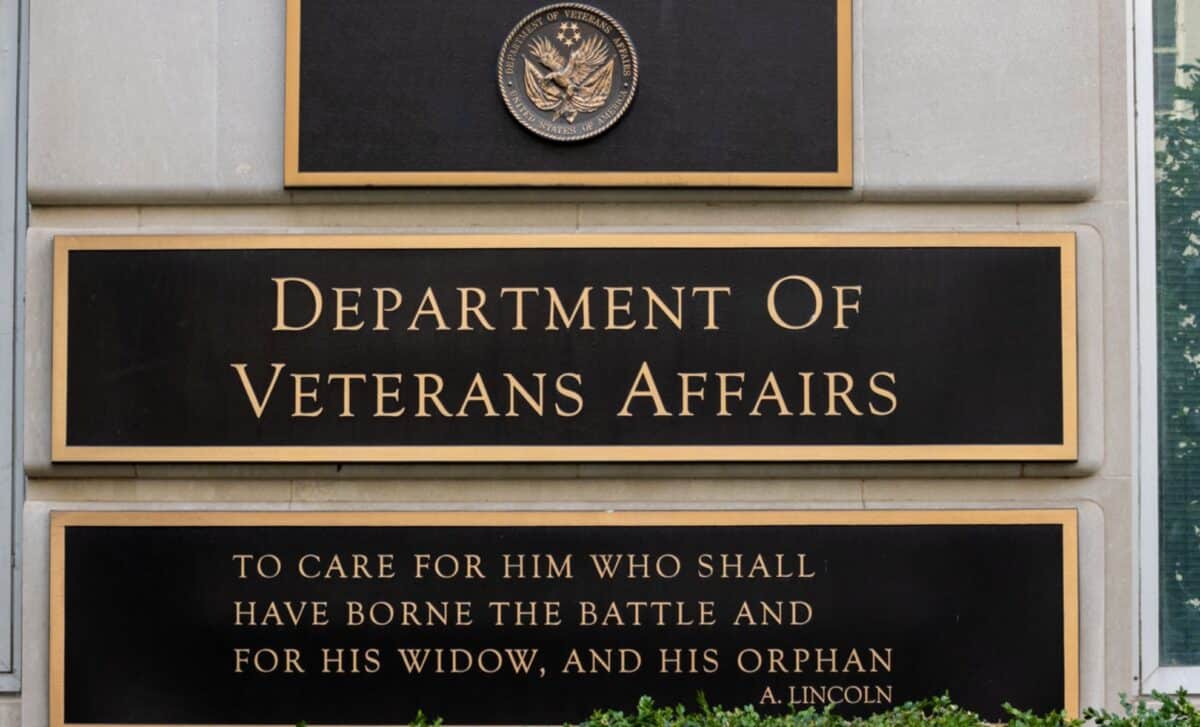
The Department of Veterans Affairs (VA) has announced a sweeping $4.8 billion investment into its health care infrastructure for fiscal year 2026. The initiative, described as historic by the agency, will support projects at VA facilities across the country through the Veterans Health Administration’s Non-Recurring Maintenance (NRM) program.
This announcement comes as the VA continues to address growing demands on its nationwide network, which spans 1,380 facilities, including 170 medical centers and more than 1,100 outpatient clinics. Each year, approximately 9.1 million veterans depend on this system for medical services.
Infrastructure Repairs Take Priority in VA’s Largest One-Year Commitment
The majority of the funding ($2.8 billion) will be directed toward the repair and upgrade of outdated infrastructure systems within VA medical facilities. This includes improvements to core facility operations such as structural components and aging utilities, all of which are essential to sustaining safe, functional health care environments. According to a VA press release issued January 28, the agency has emphasized that these improvements are not part of routine maintenance but address major issues that affect service delivery.
An additional $500 million will support major building upgrades, including replacements and updates to elevators, electrical systems, and boiler plants. These systems, while often invisible to patients, are critical to the continued operation and safety of VA facilities nationwide.
The NRM program, which facilitates one-time infrastructure improvements not included in regular maintenance budgets, has never received an allocation of this size before. “Improved facilities, equipment and infrastructure mean better care for Veterans,” said VA Secretary Doug Collins, highlighting the administration’s priority to improve health care environments for service members.
According to the department, specific projects will be announced on a quarterly basis. For the first quarter of fiscal year 2026, the agency has earmarked $468 million in funding for initial upgrades across multiple sites.
$1 Billion to Modernize Electronic Health Records and Support Future Deployments
A significant portion of the investment ($1 billion) has been designated for the maintenance and modernization of the VA’s electronic health record (EHR) systems. This funding will go toward preparing facilities for upcoming updates as part of the Electronic Health Record Modernization (EHRM) program. According to the VA, this initiative is designed to create a seamless, integrated health record system between the Department of Defense and VA services.
Planned improvements under this segment include data center upgrades, next-generation WiFi installation, infrastructure enhancements, and administrative space support. The department confirmed that it will resume deployments of its updated EHR platform to 13 new sites in FY2026, beginning with four Michigan locations (Ann Arbor, Battle Creek, Detroit, and Saginaw) in April.
A further $500 million will be used to modernize medical centers, ensuring facilities are adapted for both current and future care needs. These updates will help align infrastructure with advancements in health care technology and patient expectations.
According to Newsweek, this investment arrives alongside the introduction of the Full Cost of War Act by two members of Congress. The proposed legislation would require lawmakers to account for VA health care funding when authorizing military action, reinforcing the need to factor long-term veteran support into national security decisions.