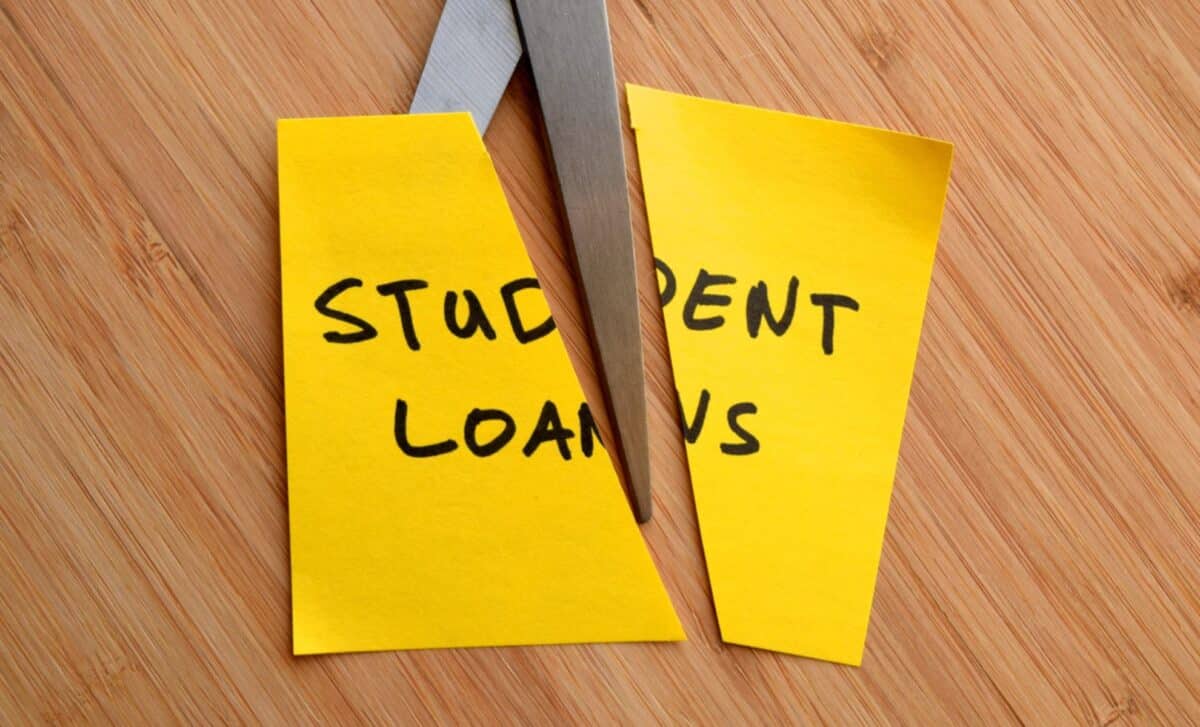
As of January 28, the U.S. Department of Education failed to meet a legally binding deadline to process Borrower Defense to Repayment claims for more than 200,000 individuals. The lapse, tied to the ongoing Sweet v. Cardona class action lawsuit, may now trigger automatic loan discharges and refunds for affected borrowers.
The development impacts thousands of Americans who claim they were misled by for-profit educational institutions. For many, the outcome represents more than financial relief, it marks the possible end of a years-long battle for recognition, justice, and the right to move forward free of student debt.
Missed Deadline May Trigger Automatic Discharges under Sweet v. Cardona
The Sweet v. Cardona lawsuit stems from allegations that the U.S. Department of Education had systematically delayed or wrongfully denied Borrower Defense applications, a program designed to cancel student debt for those misled by their schools. The 2022 settlement agreement split applicants into two main groups: class members who filed by June 22, 2022, and post-class applicants who submitted claims between that date and November 16, 2022.
The Department was required to provide final decisions on all pending Borrower Defense claims for post-class applicants by January 28, 2026. The agreement clearly states that failure to meet this deadline would automatically entitle borrowers to full settlement relief. This includes full loan discharge, refunds for prior payments, and correction of related negative credit reports.
Yet, in a court filing from November 2025, the Department conceded it had processed fewer than 54,000 of more than 251,000 post-class claims. The agency requested an 18-month extension, citing staffing constraints and the unexpectedly large volume of applications. That request was denied. Despite the court’s ruling, the Department submitted another request last week seeking to push the deadline to July 2027.
According to Forbes, “Defendants are currently required to provide full settlement relief to certain non-class members if Defendants fail to issue timely final decisions… by January 28, 2026.” Legal representatives for borrowers argue the Department’s failure triggers the terms for automatic relief.
Borrowers Await Clarity as Legal Uncertainty Continues
The situation remains unresolved. While the January 28 deadline has officially passed, a pending court hearing scheduled for February 10 may determine whether the Department’s latest attempt to extend its timeline will be accepted. In the meantime, the borrowers covered under the settlement remain in limbo.
Legal advocates representing the borrowers, including the Project on Predatory Student Lending (PPSL), have expressed deep frustration over the continued delays. “The relevant loans have already wreaked havoc on Post-Class Applicants’ lives,” the group stated in court documents. They argue that further delays could severely impact housing, healthcare, and family security for many.
The Department, meanwhile, attributes its lack of progress to budgetary issues and procedural complications. Its November legal brief pointed to “reasonable but unexpected resource constraints” as a central cause of the delay. It also referenced new obligations to discharge loans not directly linked to Borrower Defense claims as a complicating factor.