The U.S. Food and Drug Administration (FDA) has confirmed that Sno Pac Foods, based in Caledonia, Minnesota, is recalling specific ten-ounce bags of its frozen organic spinach. The recall was initiated following a supplier’s routine laboratory testing, which revealed the presence of Listeria monocytogenes, a bacterium capable of causing serious illness in vulnerable individuals.
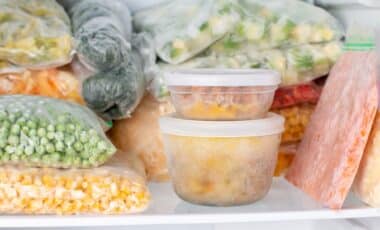
Frozen spinach is a pantry staple in many American households due to its convenience and year-round availability. But according to FDA alerts, frozen does not mean immune to contamination. In this case, the bacterium may have entered the production line during repackaging, raising concerns over how contamination at the supplier level can carry through to consumer products.
Listeria Can Survive Freezing, Posing Long-Term Health Risks
The bacterium Listeria monocytogenes is particularly dangerous because, unlike many other pathogens, it can survive and grow under refrigeration. According to the FDA, freezing does not eliminate the risk of listeria contamination, only proper cooking can render it inactive. “Unlike most bacteria, L. monocytogenes can grow at refrigeration temperatures and freezing will not eliminate or reduce the pathogen,” the agency states.
Contamination was first detected on October 6, 2025, during routine supplier screening. The contaminated batch was later used to repack spinach into individual ten-ounce bags for nationwide distribution. Though no illnesses have been reported to date, health experts note that symptoms of listeriosis (the illness caused by Listeria monocytogenes) can take days or even weeks to emerge.
According to the FDA, the most at-risk groups include pregnant individuals, newborns, adults over the age of 65, and people with weakened immune systems. For them, listeriosis can lead to severe complications, including miscarriage, stillbirth, or life-threatening infections. Healthy people may experience milder symptoms such as fever, muscle aches, nausea, or diarrhea, but in more serious cases, hospitalization is required.
Because frozen spinach can remain in household freezers for extended periods, the FDA urges consumers to inspect their packages carefully. Lot codes are more reliable identifiers than brand names alone, and the agency maintains a searchable public database of recalled products.
Tracking, Alerts, and Kitchen Safety Responses
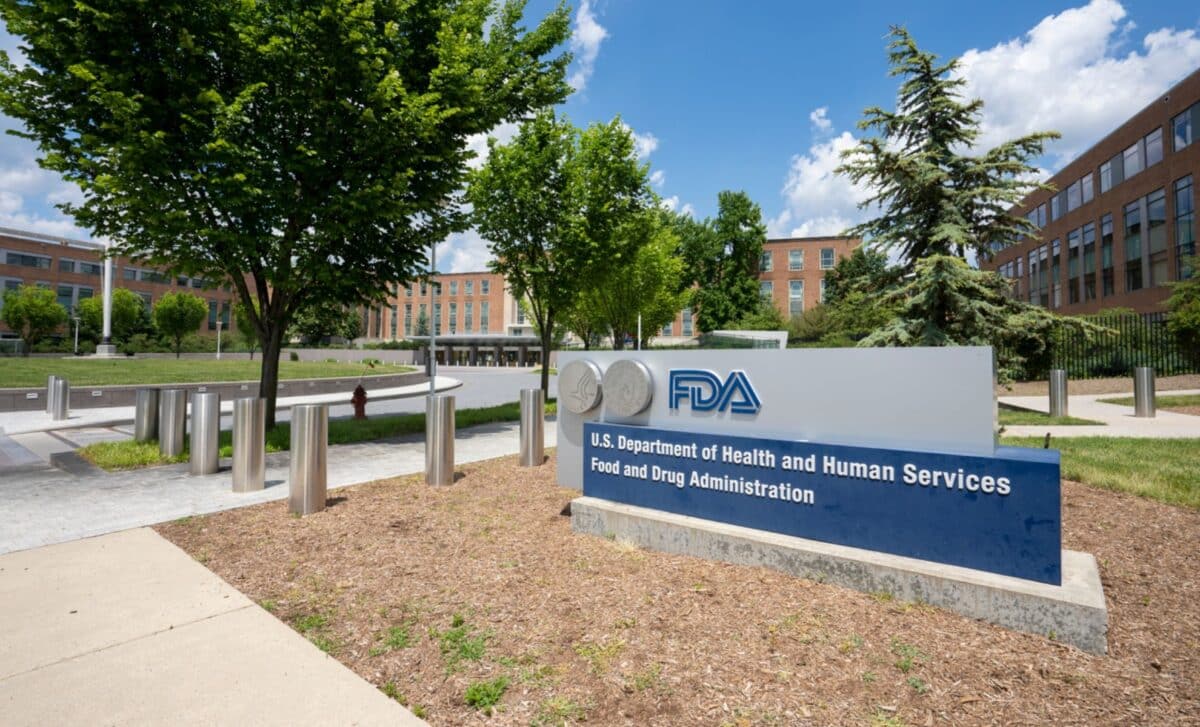
While the recall originated from a supplier test, the communication pipeline that follows is built for speed. The FDA explains that public recall notices are distributed through federal systems designed to amplify manufacturer alerts across supply chains and directly to shoppers.
Although companies like Sno Pac Foods are responsible for initiating the recall, FDA oversight ensures that such notices reach the public in time to prevent widespread exposure. According to the agency, this recall affects a specific group of spinach lots, and consumers are urged to either discard affected packages or return them to the place of purchase for a full refund. Sno Pac Foods has also suspended spinach production while investigating the source of the contamination.
Food safety experts stress the importance of minimizing cross-contamination in home kitchens. Handling recalled products can spread bacteria to other surfaces, so washing hands, sanitizing counters, and wiping down shelves where the product was stored are recommended. The FDA states that proper cleaning, along with heating spinach until it is steaming hot, significantly reduces health risks.
According to public health investigators, early detection through supplier testing helped contain the issue before any confirmed illnesses. But the agency warns that because symptoms can take time to develop, individuals who experience fever or gastrointestinal issues after consuming spinach should consult a healthcare provider, especially if they are in a high-risk group.