
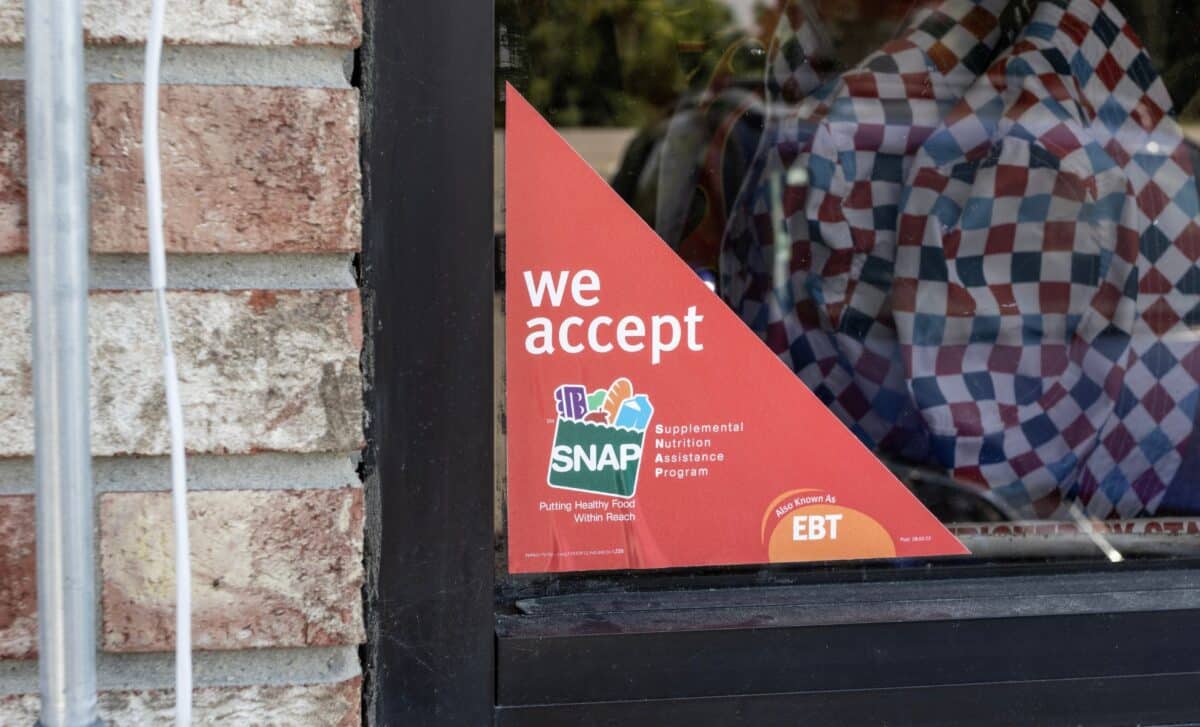
As of October 2024, millions of Americans who rely on Supplemental Nutrition Assistance Program (SNAP) benefits are seeing a notable increase in their monthly allocations. This adjustment, in line with the annual cost of living (COLA) increase, is aimed at helping recipients keep up with rising food prices. In 2025, the USDA’s changes are expected to provide critical financial relief for households facing economic pressures.
The U.S. Department of Agriculture (USDA) has set new limits for SNAP allocations, marking an important step in supporting low-income families. The adjustments reflect the persistent rise in inflation, which has made food affordability a key concern across the country.
The Impact of COLA on SNAP Benefits
Each year, the USDA adjusts SNAP benefits to reflect the changing cost of living. This year’s increase is driven by the latest COLA figures, which take into account factors like inflation and national economic trends. As a result, households in the 48 contiguous states and Washington D.C. are seeing a rise in their benefit levels, with the maximum benefit for a family of four increasing to $975 per month.
This adjustment is crucial for ensuring that SNAP recipients’ purchasing power is not eroded by rising prices. According to the USDA, the maximum SNAP allocations for households of different sizes will be as follows:
- Household size of 1: $292
- Household size of 2: $536
- Household size of 3: $768
- Household size of 4: $975
- Household size of 5: $1,158
- Household size of 6: $1,390
- Household size of 7: $1,536
- Household size of 8: $1,756
For each additional person beyond eight, the benefit increases by $220. The minimum SNAP benefit, however, remains at $23. This adjustment is a vital lifeline for millions of Americans struggling to make ends meet as grocery prices continue to climb.
Expanded Eligibility and the ABAWD Rule
In addition to the benefit increases, the USDA has also expanded eligibility for SNAP recipients, particularly for able-bodied adults without dependents (ABAWD). In 2025, this group, which previously faced stricter work requirements, will see the age limit for eligibility extended from 50 to 54. This change is intended to provide additional support to a wider range of individuals who may be facing temporary economic hardships.
The decision to raise the age limit aligns with broader efforts to address food insecurity, especially among working-age adults. By easing restrictions for ABAWDs, the USDA is acknowledging the challenges many face in securing stable employment and is providing a crucial safety net during times of economic uncertainty. These adjustments to both eligibility criteria and benefit amounts come as part of the USDA’s ongoing efforts to address the deepening hunger crisis in the U.S. With millions of Americans facing food insecurity, the role of SNAP in providing essential support is more important than ever.