
A 71% chance of La Niña forming between October and December 2025 is stirring concerns over the potential shifts in weather patterns across the U.S. The National Oceanic and Atmospheric Administration (NOAA) has reported that a transition from the current neutral phase to La Niña is likely, bringing a series of changes in temperature, precipitation, and regional weather conditions.
La Niña, a recurring climatic event within the El Niño-Southern Oscillation (ENSO), typically brings a cooler Pacific Ocean and shifts in global weather patterns. It stands as the opposite of El Niño, which warms the Pacific waters and often leads to heavier rainfall and warmer temperatures.
Drier South and Wetter North: Regional Effects of La Niña
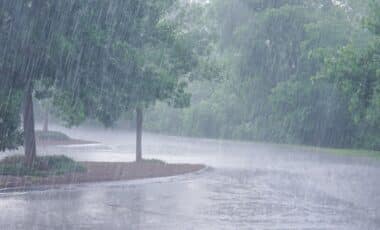
According to NOAA, La Niña typically results in drier conditions across the southern U.S., particularly along the Mexican border and into Florida. This weather pattern could lead to drought conditions, exacerbating challenges for agriculture and water resources in these regions. The northern U.S., on the other hand, may face wetter-than-average conditions, with the Ohio and Tennessee valleys and the northern Rockies likely to experience increased rainfall and snow.
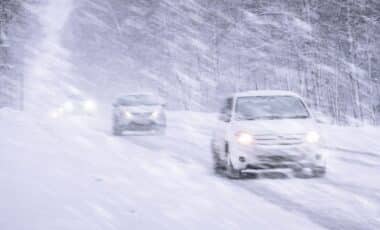
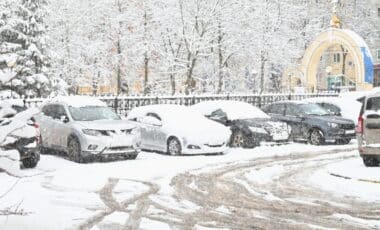
The forecast, which suggests a weak La Niña event, could mean that the impacts are not as severe as those seen in stronger events. However, a weaker event does not rule out significant disruptions. In areas like the Great Lakes and New England, wetter, colder weather may lead to heavier snowfall, disrupting travel and daily activities. Although these patterns are typical for La Niña, they vary in intensity depending on the strength of the event.
Uncertainty and Climate Change: Modulating the Impact
While NOAA’s forecast suggests a high probability of La Niña, some experts express caution regarding the long-term impacts. Raghu Murtugudde, a professor at the University of Maryland, notes that while sea surface temperatures in the Pacific are cooling, the overall pattern may not be as pronounced as previous La Niña events. Murtugudde adds that ongoing climate change could alter traditional weather responses, potentially modifying the effects of the event in ways that have not yet been fully understood.
Although La Niña is a natural climatic event, its interaction with climate change could exacerbate weather extremes. The increasing unpredictability of global weather systems underscores the need for continual monitoring and adaptation to mitigate potential disruptions, particularly in vulnerable regions. With the cooling event forecast looming, its timing, strength, and specific effects remain critical areas of observation for the coming winter months.