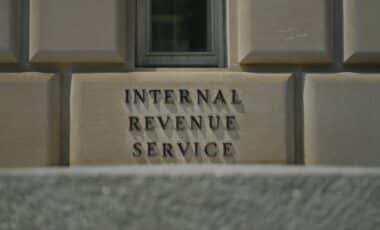
Tax obligations in the United States carry significant weight, and the IRS has very specific rules regarding the processes citizens and residents must follow.The importance of adhering to these rules is so high that the tax authority has confirmed its power to make seizures if people ignore the advance alerts that are sent to them.
For the millions of individuals who are part of various tax obligations, postponing a response to a notification can open the door to substantial future problems, making it crucial to understand when the agency is most likely to take such drastic measures.
When IRS Alerts Escalate to Property Garnishment
Seizure by the IRS is not a common measure nor one that affects every taxpayer, but there are specific, escalating situations that can trigger it. The agency typically resorts to garnishment only after a clear pattern of non-compliance has been established. The path to such an action begins with an outstanding tax debt.
Following this, the taxpayer must have received prior official notices from the IRS and allowed the legal deadline to respond to expire without taking action. Furthermore, if the individual has not submitted a payment plan to address the debt or filed an appeal to contest it, they place themselves at the highest risk of having their property seized.
For anyone who finds themselves receiving multiple alerts and notifications from the IRS, the guidance from experts is uniform in its urgency: do not ignore them. There is an estimated, and often short, window of time before the authorities move from sending letters to initiating seizures or other enforcement actions. The recommendations are clear and actionable.
Taxpayers are advised to never ignore the official letters, to immediately verify the amount owed as stated in the notice, and to proactively request a payment plan if the full sum cannot be paid. Consulting a tax professional for guidance or filing an appeal if the notice is believed to be in error are also critical steps that can prevent the situation from escalating to a levy on wages or property.
IRS Sets Sights on Non-Resident Foreigners and TurboTax Users
In a separate but equally important development, the tax authority has announced possible penalties for a demographic that may not expect IRS scrutiny: users of tax preparation software like TurboTax who are non-resident foreigners. The warning specifically targets those who may inadvertently or incorrectly file tax returns using forms meant for U.S. residents. According to the information published by Marca, the categories of individuals most affected by this include students and academics on F-1, M-1, J-1, or J-2 visas during their initial years of stay in the country, as these individuals often do not meet the residency criteria for tax purposes.
The warning also extends to temporary visitors, such as those with tourist visas or temporary workers on H or L visas who have not passed the “substantial presence test,” which determines resident status for tax purposes. Furthermore, the IRS is focusing on external investors, foreigners who reside outside the United States but earn income from rents or investments within the country.
The agency has explained that filing a tax return as a resident when one is technically classified as a “non-resident” is considered an offense. This misclassification can lead to consequences, underscoring the need for all foreign nationals with U.S.-source income or presence to carefully verify their filing status before submitting their returns, ensuring they use the correct forms to avoid unwanted penalties.