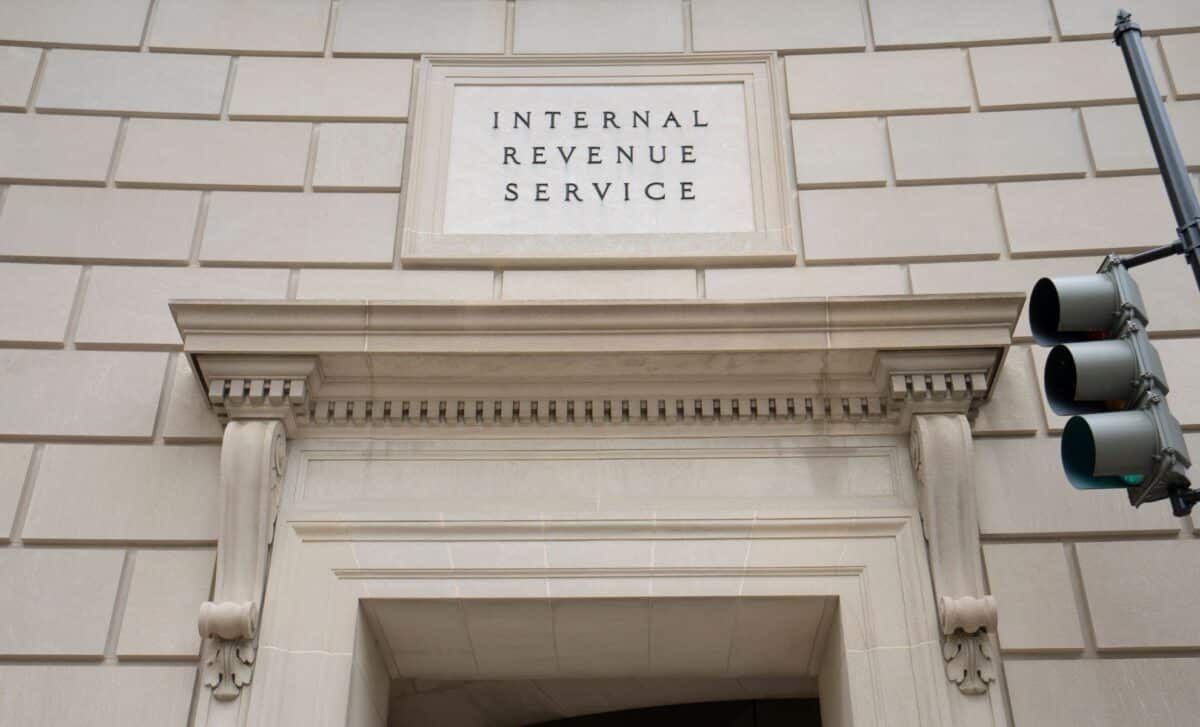
Despite a partial federal government shutdown, the Internal Revenue Service (IRS) has announced it will remain fully operational. The agency confirmed it will continue processing tax returns and issuing refunds, using funds allocated through previous legislation.
The statement comes as the U.S. government entered a limited shutdown over the weekend, following a funding impasse in Congress. Although a short-term deal was struck in the Senate to keep most agencies running through September, the bill has yet to pass the House of Representatives, which was on recess until Monday.
IRS to Operate Normally Despite Lapse in Funding
The IRS has clarified that its services will continue as usual amid the current lapse in appropriations. According to Newsweek, the agency stated it would maintain regular office hours and keep all self-service tools and online systems accessible to taxpayers. Funding from legislation passed in 2022 is being used to keep operations running, with no immediate disruptions expected for tax filers.
The ongoing partial shutdown has affected several major federal departments, including the Department of Homeland Security, the Department of Defense, the Department of Education, and Financial Services. Still, the IRS has not been impacted in the same way, and it has confirmed that taxpayers can expect business as usual during this critical part of tax season.
The IRS begins processing tax returns at the end of January, and for many taxpayers, the question of refund timing is crucial. With the agency now entering peak filing season, any potential delays could have been significant, particularly for individuals and families depending on their refunds for essential expenses. According to the IRS, those who file electronically and opt for direct deposit can typically expect their refunds within 21 days. Paper filers may wait four weeks or more, especially if their returns require correction or amendment.
Trump Lawsuit and PATH Act Not Impacting Filing Season
In a separate development, former President Donald Trump filed a $10 billion lawsuit against the IRS and the Treasury Department on Thursday, alleging that the agencies failed to prevent a leak of his tax records between 2018 and 2020. The case, filed in a federal court in Florida, also names two of his sons (Eric Trump and Donald Trump Jr) .as plaintiffs, along with The Trump Organization. According to Newsweek, the lawsuit does not currently appear to affect ongoing IRS operations or the agency’s ability to process returns.
Meanwhile, the IRS reminded taxpayers of the PATH Act of 2015, legislation enacted to safeguard against fraud and ensure timely access to certain tax credits. According to tax software provider TurboTax, the Protecting Americans from Tax Hikes (PATH) Act strengthened fraud protections and enhanced several credits for working families. These provisions continue to influence how and when certain refunds are processed, especially those involving the Earned Income Tax Credit or the Additional Child Tax Credit.
As tax season progresses, the agency has urged filers to avoid planning major purchases or bill payments around the expected arrival of a refund, noting that while most are processed quickly, exceptions do occur. The agency emphasized that taxpayers should not rely on receiving refunds by a specific date, given the potential for amendments, errors, or other delays.