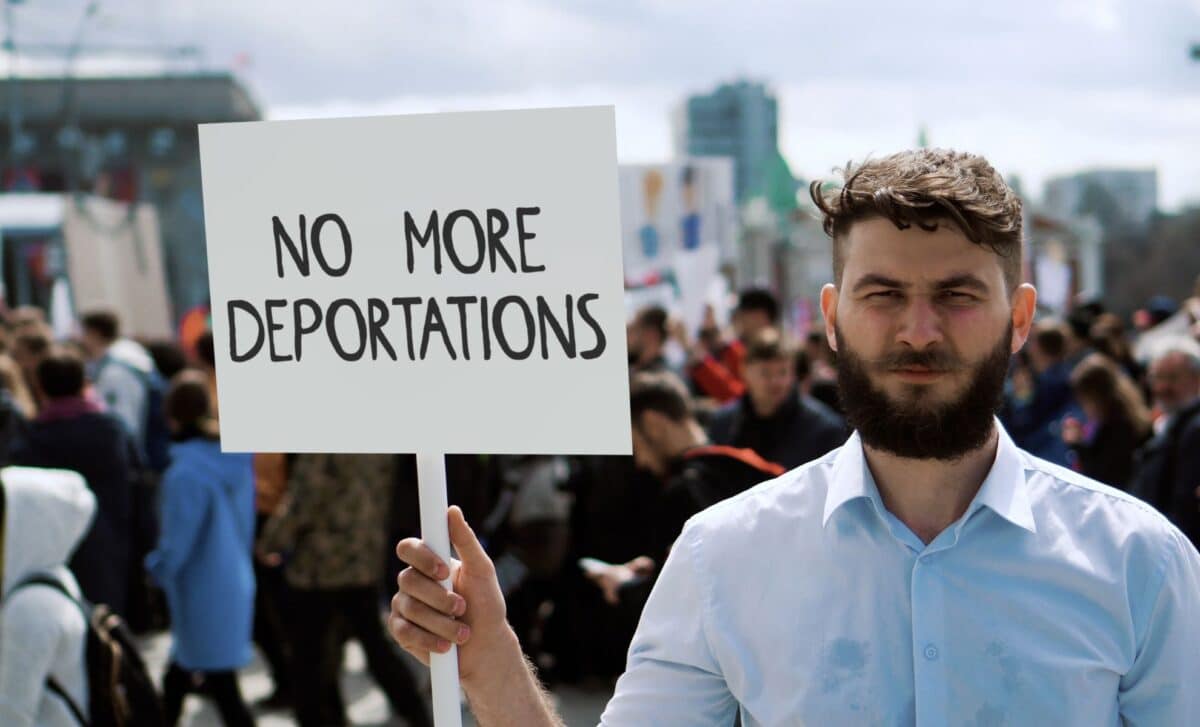
The decisions, made public on December 12, 2025, have far-reaching implications for thousands of immigrants. They mark the administration’s continuation of policies aimed at reducing the number of immigrants eligible for legal protections and delaying or preventing family reunifications. For many, these changes represent not just bureaucratic shifts but real consequences, such as possible deportation or delays in obtaining permanent residency.
End of TPS for Ethiopians: What’s Behind the Move?
Temporary Protected Status (TPS) is granted to foreign nationals from countries facing ongoing armed conflict, natural disasters, or other extraordinary conditions that make it unsafe for them to return home. In 2022, the Biden administration extended TPS to Ethiopia due to the civil war that had been raging in the country. However, DHS, under the Trump administration, reversed this decision, asserting that Ethiopia no longer meets the criteria for such a designation.
According to a notice posted by DHS, the country’s conditions had improved enough to justify the termination of TPS. While the agency acknowledged that some violence still persists in certain areas of Ethiopia, it deemed the situation no longer as severe as it was during the height of the conflict. “The Secretary determined that Ethiopia no longer continues to meet the conditions for the designation of Temporary Protected Status,” said DHS Secretary Kristi Noem in a Federal Register statement.
As a result of this decision, more than 5,000 Ethiopians currently benefiting from TPS will lose their legal protections. The move aligns with the broader efforts by the Trump administration to reduce protections for immigrants, with similar actions taken in the past to terminate TPS for migrants from countries like Venezuela, Haiti, and South Sudan.
The End of Family Reunification Parole Programs
In addition to ending TPS for Ethiopians, DHS has also decided to discontinue the Family Reunification Parole (FRP) programs. These programs were designed to allow family members of U.S. citizens and permanent residents to temporarily enter the U.S. while they awaited the approval of their permanent residency applications. The FRP program, expanded in 2023 to include citizens from countries like Colombia, Cuba, Guatemala, Haiti, and Honduras, helped thousands of families reunite in the U.S.
However, DHS has argued that the program facilitated security risks and fraud. The agency claimed that while the program allowed some individuals to bypass certain immigration procedures, it failed to provide adequate security vetting. Additionally, an audit found instances where deceased individuals had been listed as sponsors in some applications. “The desire to reunite families before their priority dates are current does not outweigh the U.S. government’s responsibility to prevent fraud and abuse of these programs,” a DHS statement read.
For many immigrants, this move means the loss of a legal pathway to rejoin their family members in the U.S. while awaiting permanent residency approval. Although DHS assured that those who have already submitted their applications would not be immediately deported, the cancellation of the FRP programs leaves thousands of people in limbo, unsure of their future status.
The decision to end TPS for Ethiopians and eliminate the FRP programs is part of the Trump administration’s larger effort to reshape U.S. immigration policy, focusing on stricter controls and enforcement.