Approved by Congress in 2025, the policy could increase refund amounts for millions of workers in hospitality, entertainment, personal services, and other tip-based industries. The size of the benefit varies sharply depending on income level and filing status, with phaseouts beginning at $150,000 for individuals and $300,000 for married couples filing jointly. The change arrives as the 2026 tax season begins, reshaping how tipped income is treated under federal law while leaving state and local tax obligations untouched.
Which Tips and Jobs Qualify under the Federal Deduction
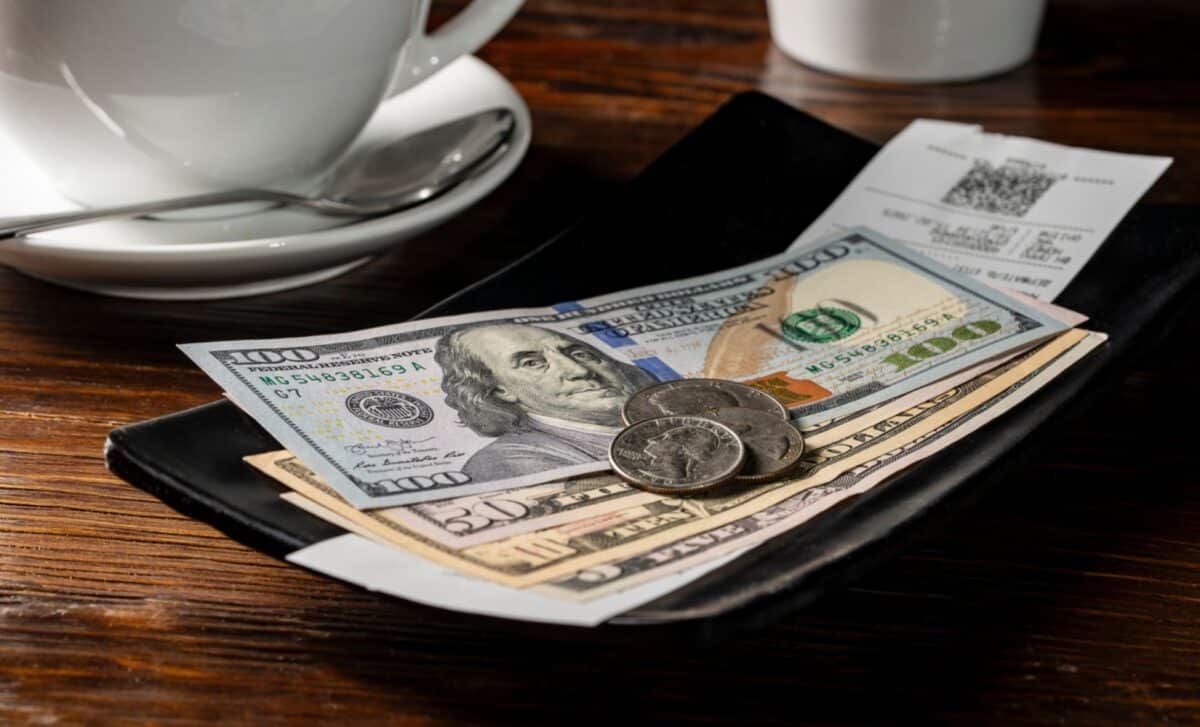
The deduction applies strictly to qualified tips as defined by the IRS. According to the agency, tips must be paid in cash or cash equivalents, including checks, credit or debit cards, gift cards, or mobile and electronic payment methods, and must be readily convertible into a fixed amount of cash. Most digital assets do not qualify.
Tips must be given voluntarily by customers and cannot be negotiated. The IRS specifies that mandatory service charges, such as an automatic 18 percent charge added to a restaurant bill for large parties, do not count as qualified tips if customers cannot modify or remove them. Payments connected to illegal activity, prostitution, or pornographic services are also excluded.
Eligible workers must be employed in occupations that customarily receive tips. According to the U.S. Treasury, qualifying roles span a wide range of industries. In food and beverage service, eligible positions include bartenders, wait staff, chefs, cooks, dishwashers, hosts, and fast food workers. Entertainment and event roles such as gambling dealers, musicians, disc jockeys, dancers, ushers, and digital content creators are also listed.
Hospitality workers including bellhops, concierges, hotel desk clerks, maids, and housekeeping cleaners qualify. The list extends to personal services such as barbers, massage therapists, manicurists, makeup artists, exercise trainers, tutors, nannies, tattoo artists, and tailors. Transportation and delivery workers (including taxi and rideshare drivers, valet attendants, shuttle drivers, goods delivery workers, and charter boat operators) are also covered.
How Much Taxpayers Could Save at Different Income Levels
The financial impact of the deduction depends on total income and tip amounts. The White House has reported that Americans will receive about $1,300 more on average, though it did not provide a detailed methodology for that estimate.
Examples provided by the Bipartisan Policy Center illustrate how outcomes differ. According to the organization, a single filer earning $15,000 with $3,000 in tips would see no tax benefit. A single filer earning $50,000 with $5,000 in tips would receive a $600 reduction in income tax. At $75,000 in income with $10,000 in tips, the tax cut rises to $2,200.
At higher income levels, the benefit narrows. A single filer earning $200,000 with $10,000 in tips would see a $1,200 reduction, reflecting the phaseout that begins above $150,000 for individuals.
For married couples filing jointly, the pattern is similar. A household earning $30,000 with $3,000 in tips would receive no tax cut. At $50,000 in income and $5,000 in tips, the reduction would total $500. A couple earning $100,000 with $6,000 in tips would see a $720 benefit. At $350,000 in income with $10,000 in tips, the tax cut would amount to $1,200, reflecting the phaseout threshold of $300,000 for joint filers. The deduction remains in place through 2028, reshaping federal tax treatment for tipped workers while leaving other tax obligations unchanged.