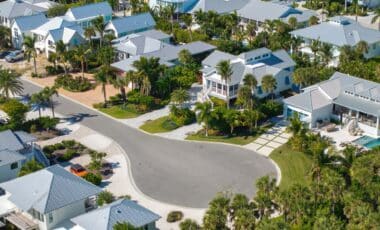
Nearly half of American homeowners are contemplating moving as extreme weather events, linked to climate change, make their current living situations increasingly untenable. According to a recent study by Kin, a digital home insurance provider, 49 percent of homeowners say they are seriously considering relocation due to the growing frequency and intensity of natural disasters. While the rising risk is clear, many are facing a difficult choice between staying put in vulnerable areas or navigating a challenging housing market.
The rising threat of climate-induced disasters is shaking the housing market in the United States. For many, the decision to stay or move is not simply about avoiding wildfires or flooding, but also about financial considerations. Rising insurance premiums, escalating home repair costs, and the lack of affordable housing options are driving homeowners to re-evaluate their futures.
Escalating Risks of Extreme Weather Events
The surge in extreme weather events across the United States is no longer a distant threat. Over the past few decades, the frequency and severity of natural disasters have increased significantly, with the U.S. suffering 403 weather-related events from 1980 to 2024, according to the National Centers for Environmental Information (NCEI). These events have caused widespread damage, with total costs often exceeding $1 billion per disaster. As the likelihood of extreme weather increases, homeowners are increasingly concerned about the risk to their properties and the safety of their families.
According to the Kin survey, a staggering 93 percent of respondents expect extreme weather to cause damage to their homes within the next three years. This growing concern is not limited to one specific region of the country. While areas such as Florida and California are particularly vulnerable to natural disasters like hurricanes, wildfires, and floods, residents across the nation are bracing for more frequent and intense weather events. In fact, 68 percent of homeowners surveyed by Kin anticipate that natural disasters will strike more often in their areas in 2026 compared to the previous year. These changing conditions are prompting many to consider relocating to areas perceived as less vulnerable to the impact of climate change.
The Financial Burden of Relocation
While the physical risks of extreme weather are a major concern, the financial implications of relocation are equally significant. For many homeowners, the escalating cost of home insurance is a substantial barrier to remaining in high-risk areas. In states like Florida, where property damage from natural disasters is common, 49 percent of homeowners say the cost of insurance has a heavy impact on their decision to purchase a home. According to the survey, 80 percent of respondents expect home prices to continue rising, making it even more difficult to relocate to safer areas.
The affordability of moving is a particularly pressing issue. While some homeowners are considering relocating to different states, 35 percent say they would prefer to move to a different city or community within their current state. Others, who are unable to afford to leave, are left with the difficult decision of staying in their current location or enduring the financial burden of higher insurance premiums. This situation is exacerbated by a housing market that remains largely frozen, with few options for affordable homes outside disaster-prone regions.