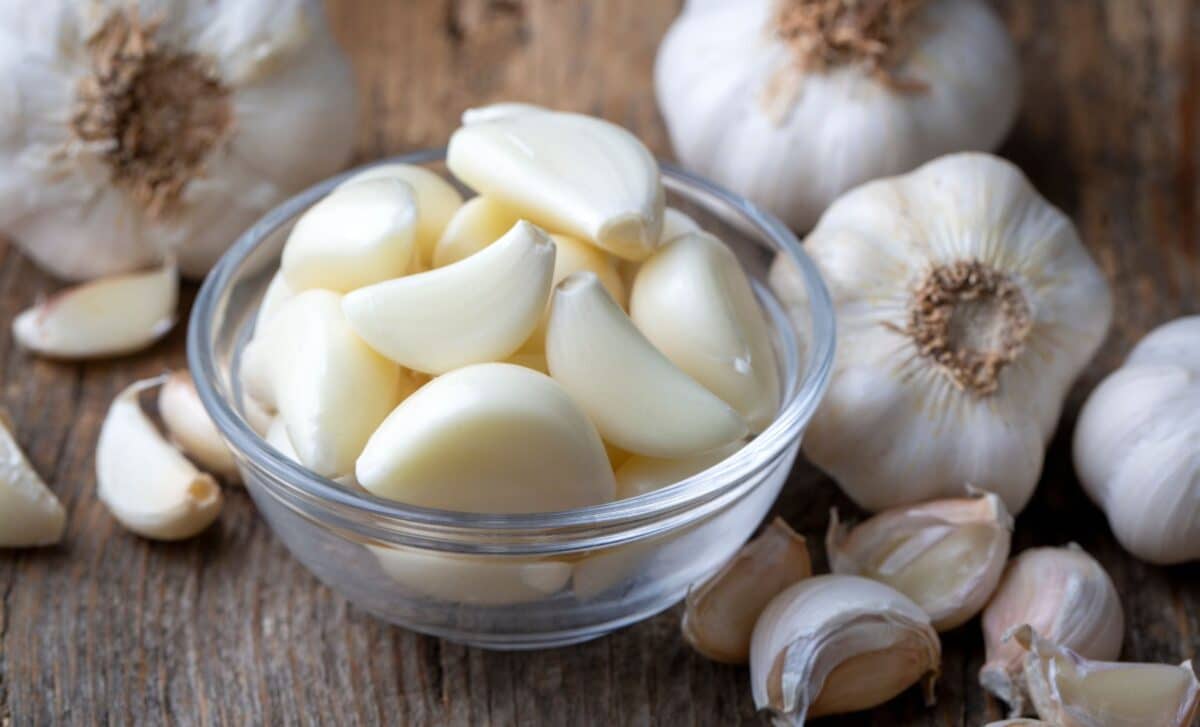
A recall of peeled garlic products sold in parts of the northeastern United States has prompted a public health warning. Federal authorities say the issue involves a risk of contamination by a dangerous bacterium that can cause severe illness.
The Food and Drug Administration announced the recall on April 1, after identifying storage conditions that could allow bacterial growth. The products were distributed through a regional grocery chain, affecting consumers in New York, Pennsylvania, and Vermont.
Improper Refrigeration Triggers Contamination Risk
The recall covers all lots of Christopher Ranch and Garland peeled garlic sold in 6-ounce plastic bags at Tops Friendly Markets. According to the Food and Drug Administration, the concern centers on the potential presence of Clostridium botulinum, a bacterium that can develop when foods are not kept at sufficiently low temperatures.
The issue was discovered during a routine inspection, where officials found that the garlic products were not consistently refrigerated in a way that prevents bacterial growth. According to the FDA, peeled garlic is particularly vulnerable because removing its outer layers creates conditions that can support contamination if temperature controls are inadequate.
The affected products include Christopher Ranch Peeled Garlic with UPC 74574‑10852, as well as Garland Fresh Peeled Garlic with UPCs 71894-00000 and 68826-75340. All were distributed exclusively through Tops Friendly Markets locations across the three states.
Despite the recall, no illnesses have been reported so far. Still, authorities emphasize that the absence of reported cases does not eliminate the risk, given the nature of the bacterium involved and the variability in symptom onset.
Botulism Symptoms and Consumer Guidance
Botulism is described as a potentially fatal form of food poisoning that affects the nervous system. According to the FDA, symptoms can include weakness, dizziness, double vision, and difficulty speaking or swallowing. In more severe instances, the condition may lead to muscle paralysis and breathing failure.
The Centers for Disease Control and Prevention notes that these symptoms can escalate quickly without medical intervention. According to the Department of Agriculture’s Food Safety and Inspection Service, symptoms typically appear within 12 to 36 hours after exposure, although cases have been reported as early as four hours and as late as eight days.
Health officials advise consumers not to taste or use the recalled garlic under any circumstances, even if it appears normal. According to the FDA, contaminated food may not show visible or detectable signs of spoilage, making it especially hazardous.
Consumers who have purchased the affected products are urged to check their refrigerators and return any recalled items to the store for a full refund. Those experiencing symptoms consistent with botulism are advised to seek immediate medical attention.
The recall highlights the importance of proper food storage practices, particularly for perishable items like peeled garlic. While no confirmed cases have emerged, the warning reflects the seriousness of the potential health risk and the need for prompt consumer awareness.