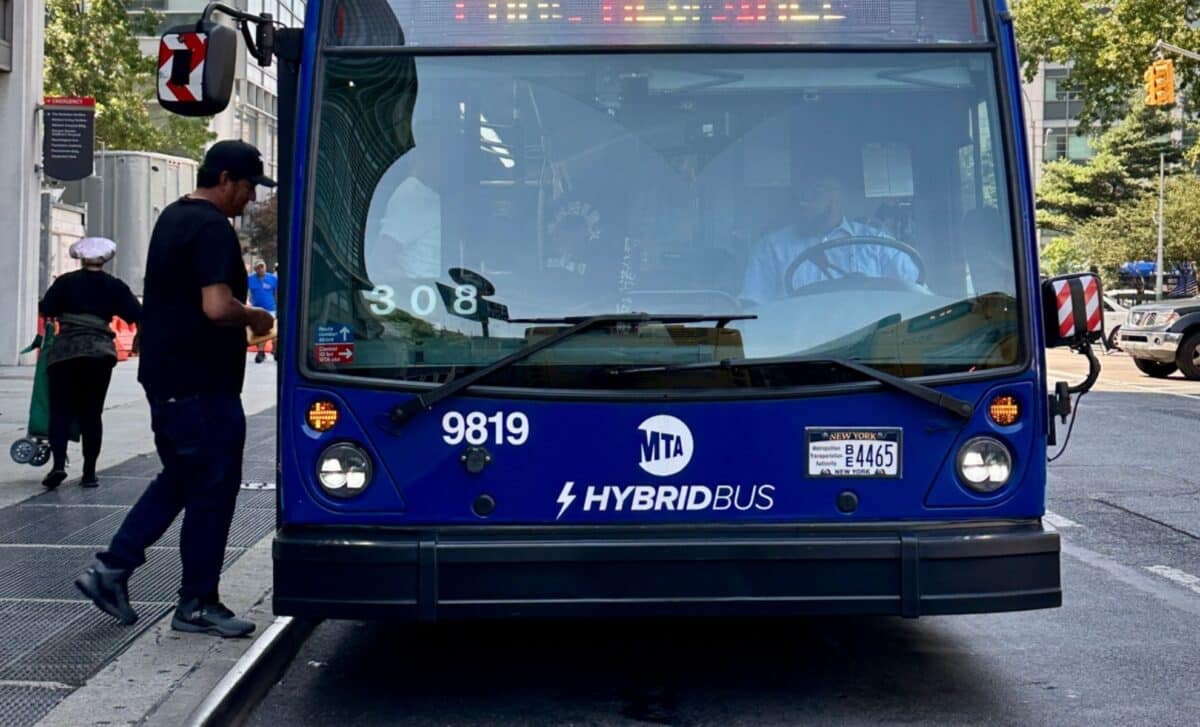
New York City could suspend bus fares for five weeks in the summer of 2026, aligning the trial with the men’s FIFA World Cup matches scheduled at MetLife Stadium. Mayor Zohran Mamdani has outlined the pilot as a first step toward a broader ambition of fare-free public transit.
The proposal would temporarily eliminate fares on all local buses across the five boroughs between mid-June and mid-July, a period when more than a million visitors are expected in the region. City officials present the initiative as both an affordability measure and a large-scale stress test for the transit system during a global event.
A World Cup Pilot to Test Fare-Free Buses
Mayor Zohran Mamdani is pushing for a citywide free bus pilot during the 2026 FIFA World Cup, according to the New York Daily News. The five-week program would cover the entire urban bus network and is designed to evaluate costs, demand, and traffic impacts in real time as international fans converge on the metropolitan area.
Matches will take place at MetLife Stadium in nearby New Jersey, yet New York City is expected to serve as a central hub for supporters, media, and teams. The proposal would eliminate fares on all MTA-operated local buses across the five boroughs, creating what City Hall views as an opportunity to showcase a more accessible transit system.
The estimated cost of the pilot is $100 million, Time Out New York reports, while broader annual projections for a permanent fare-free system range from $700 million to $1 billion, based on figures cited by city authorities and the MTA. The agency relies on bus revenue as part of its $21 billion annual operating budget, and it has historically expressed caution about eliminating fares.
The city does not control bus fares directly. According to multiple local reports, the plan would require cooperation from Governor Kathy Hochul and state lawmakers, placing the proposal in ongoing political negotiations. Mamdani has also appointed former campaign manager Maya Handa as the city’s first “World Cup czar” to coordinate logistics and operations during the tournament.
Evidence from past Pilots and Public Safety Data
Supporters of fare-free buses point to previous pilot programs as evidence of measurable effects. In 2023 and 2024, New York City tested free bus routes in each borough. According to MTA data cited by several outlets, ridership increased by 30 percent on weekdays and 38 percent on weekends during the trial period. The same pilot recorded a 39 percent drop in assaults on bus operators.
Boarding times may also improve when fares are removed. According to the Times opinion piece, Boston saw boarding times cut by as much as 23 percent after eliminating fare collection on certain routes, accelerating trips for riders and potentially easing traffic congestion.
Not all transit experts agree on the funding priorities. Some argue that the hundreds of millions of dollars required annually could instead be directed toward service reliability or subway expansion in underserved neighborhoods, as reported by local media. Governor Hochul has signaled reluctance to fully endorse the idea, leaving the World Cup pilot dependent on state approval.
Whether enacted or not, the proposal has already shifted debate over how New York moves during major global events. For five weeks in the summer of 2026, the city’s buses may become a real-world experiment in what fare-free transit can achieve.