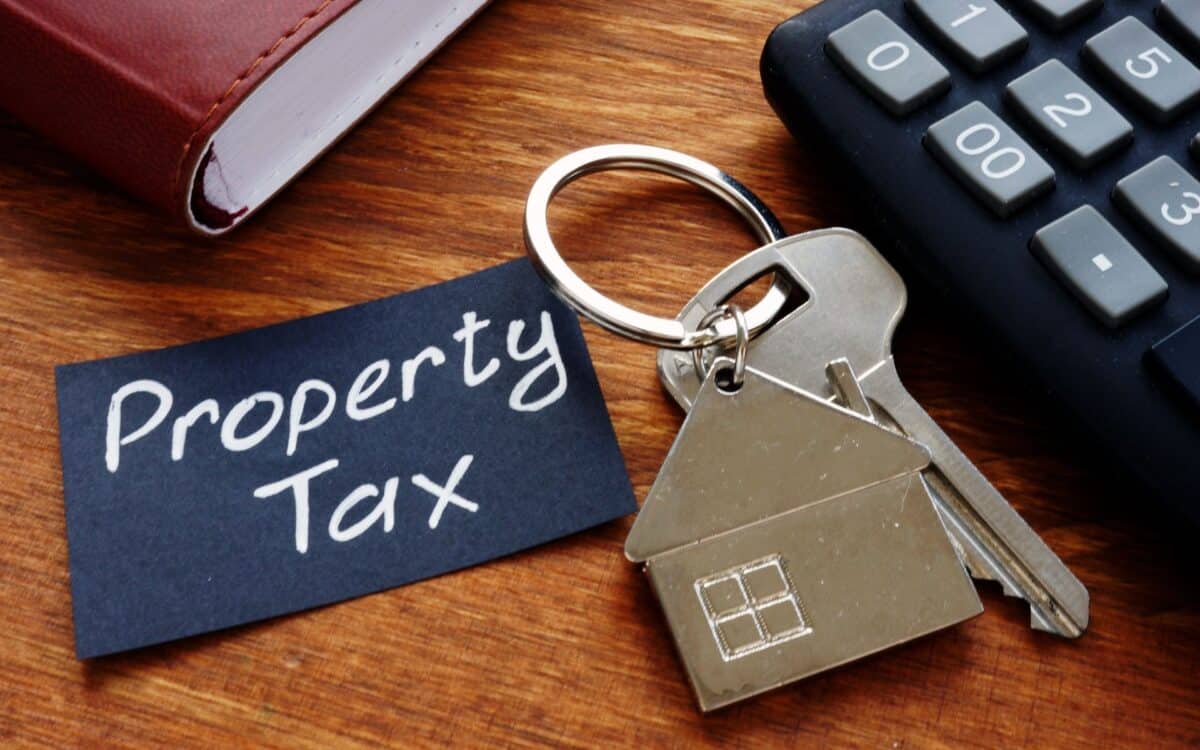
Florida homeowners may soon receive $1,000 annual rebates on their property taxes for the next five years if a new legislative proposal successfully passes through the state legislature. The bill, introduced by Republican Representative Jeff Holcomb, aims to offer immediate financial relief to over 3.5 million residents, beginning as early as November 2025.
The rebates, which would total $5,000 per eligible household from 2026 to 2030, are part of a broader effort to address the mounting pressure caused by surging property tax rates in the state.
Lawmaker Pushes for Immediate Action as Costs Overwhelm Homeowners
Holcomb has made clear that speed is a key part of his proposal. He hopes to launch the first round of rebates before November, ahead of when many Floridians begin receiving their annual property tax bills.
“My goal is to get it to them before November, when you really start to get those bills, and they have to start paying them,” he told Tampa station WFLA.
The objective, according to Holcomb, is to ease the financial weight on families without disrupting local government operations.
“My goal is not to damage local government because I know what those budgets look like. Our number one job as elected officials, whether you’re local or state or federal, it’s got to be public safety. It’s got to be taking care of our people.”
Under the proposed framework, the Florida Department of Financial Services would be responsible for distributing the funds. The rebates would be financed entirely by the state budget over the full five-year period—ensuring that counties and municipalities won’t see their revenues slashed as a result. This financial structure, confirmed by The U.S. Sun, is key to winning bipartisan support for the bill.
While Holcomb remains optimistic about delivering the first payments in late 2025, Newsweek noted that logistical and legislative delays may push the actual start of the program to summer 2026, despite the urgent tone from its sponsor.
Pandemic-Era Tax Surges Created Long-Term Budget Pressure
The urgent need for relief stems from the economic aftershocks of the COVID-19 pandemic, which sparked a housing market surge across Florida beginning in 2020. As property values rose sharply, tax assessments followed, creating a cascade of higher property tax bills for homeowners across the state.
According to Newsweek, property taxes have jumped 45% statewide since 2019, with some cities like Jacksonville and Tampa seeing increases of up to 60%.
This rapid escalation has stretched family budgets thin and intensified political pressure to find solutions. Many middle-class and fixed-income homeowners now face tax bills that consume an increasingly large share of their income.
Meanwhile, Florida CFO Blaise Ingoglia confirmed to The U.S. Sun that the state is now relying on property tax revenue to cover between 60% and 120% more of the budget than in pre-pandemic years.
The combination of inflation, population growth, and unadjusted tax structures has created a volatile fiscal environment. The proposed rebate aims to serve as a stabilizing tool—offering residents relief while protecting the financial health of local governments.
Oversight, Eligibility, and Long-Term Vision for the Rebate Program
In addition to distributing the funds, CFO Ingoglia would play a central role in coordinating the application and eligibility process. He is expected to work directly with local officials to verify qualifications on a case-by-case basis, ensuring that funds reach the right homeowners efficiently.
To qualify, residents must already receive a property tax exemption on a home valued between $100,000 and $450,000—a range carefully chosen to support those who are not wealthy but still too high-income to qualify for federal aid. This middle-tier focus reflects a targeted effort to address the unique burden carried by Florida’s working and retired populations.
If implemented, the program could benefit over 3.5 million homeowners, or nearly a third of Florida households—a scale that would make it one of the largest state-level property tax relief efforts in the nation. According to The U.S. Sun, lawmakers are still debating how to streamline the application system to avoid delays, a key concern given the ambitious timeline Holcomb has outlined.