Across the United States, residential energy prices have surged in the past year, pushing millions of households into financial distress. For many, the rising cost of electricity is no longer just an inconvenience, it’s a threat to basic survival.
This pressure has been especially acute in colder regions, where the winter months bring increased demand for heating. Households already grappling with inflation and stagnant wages now face mounting utility debt, often exceeding thousands of dollars. The impact is uneven but widespread, with families from New York to South Dakota struggling to keep the lights on.
Disconnections, debt and uneven recovery
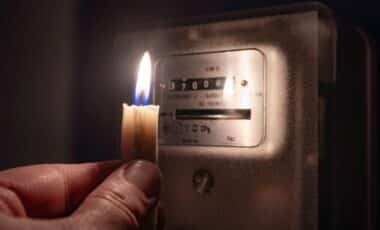
In Greenwood Lake, New York, Kristy Hallowell spent six months without electricity after her bill jumped to $1,800 a month following a job loss. Her family relied on a generator for heat and lighting until a local non-profit helped her negotiate a partial payment plan. But even now, she carries $3,000 in utility debt and remains without gas. “This has been traumatic, to say the least,” she told BBC News.
Her situation is far from unique. According to a report by the Century Foundation and Protect Borrowers, nearly one in 20 American households were at risk of having their utility debt sent to collections heading into the winter of 2025. The number of households with severely overdue bills rose by 3.8% in the first six months of President Donald Trump’s second term, based on consumer credit data reviewed by the same report.
Electricity costs increased by 6.9% between November 2024 and November 2025, outpacing general inflation. According to the BBC, this has become a central concern in the broader cost-of-living crisis, driving consumer dissatisfaction with the government’s handling of the economy.
Federal programs designed to assist low-income residents with utility payments are also under strain. Proposals to cut funding to these initiatives have raised alarms among policy experts. Laurie Wheelock, director of the Public Utility Law Project of New York, said that her organization has seen a sharp increase in the number of clients facing termination of service. “Before the pandemic, clients who approached the organisation typically owed $400 to $900 in utility debt. Now, people often owe upwards of $6,000,” she explained.
Energy market shifts and rising consumption
The causes behind the rising prices are multiple. According to energy policy expert John Quigley, electricity generation is now burdened by higher fuel costs, particularly natural gas. The industry has been exporting more of its supply, which has contributed to elevated domestic prices. Simultaneously, recent policy decisions have reversed investments in clean energy infrastructure, reducing the potential for cost-saving alternatives.
A report by Climate Power noted that the Trump administration’s rollback of clean energy projects (including offshore wind leases) has contributed to a 13% rise in electricity bills since the beginning of his second term. These canceled projects would have generated enough energy to power 13 million homes, according to the same report.
Adding further strain, the growth of data centers linked to artificial intelligence development is consuming substantial amounts of electricity. Companies like Amazon and Alphabet are expanding rapidly, with infrastructure that places heavy demands on local grids. In states like Virginia and North Carolina, residents have voiced concern that nearby data center developments may be driving up household utility costs.
In response, some state officials are seeking to regulate large-scale electricity users. Virginia recently authorized a separate rate category for major customers, requiring data centers to shoulder a larger share of costs. While these policies aim to shield families from rate hikes, the overall picture remains one of persistent financial strain for millions of Americans navigating a challenging winter.