Energy credits are set to be distributed to eligible Americans in November as part of various state-run assistance programs designed to ease the strain of rising utility costs. These programs, aimed at supporting low-income households during colder months, are offering significant financial relief through one-time payments to cover electric and gas bills.
Across the United States, many states have rolled out such programs, and residents in these areas are encouraged to apply for assistance. The specific amounts and eligibility requirements vary by state, but many households stand to benefit from the relief available this winter. Here’s a breakdown of what you need to know.
Understanding the IndyEAP Program in Indiana
Indiana’s Energy Assistance Program (IndyEAP) is designed to provide financial relief to low-income households in Marion County, which surrounds the state capital, Indianapolis. For those struggling to keep up with electric and gas bills, IndyEAP offers a one-time payment of up to $400, making a real difference during the winter months.
According to The Sun, the program opened for applications on October 1, 2025, and residents have until April 20, 2026, to apply.
To apply, residents must meet a few simple criteria:
- Marion County Residency: Applicants must live within Marion County, with a valid ZIP code for their primary residence.
- Citizenship or Legal Status: You must be a U.S. citizen, U.S. national, or qualified non-citizen.
- Income Guidelines: The household income for all individuals aged 18 and older must fall below specific thresholds. For example, a one-person household must earn less than $8,389 in the last three months, while a family of eight must have an income of no more than $22,263 for the same period.
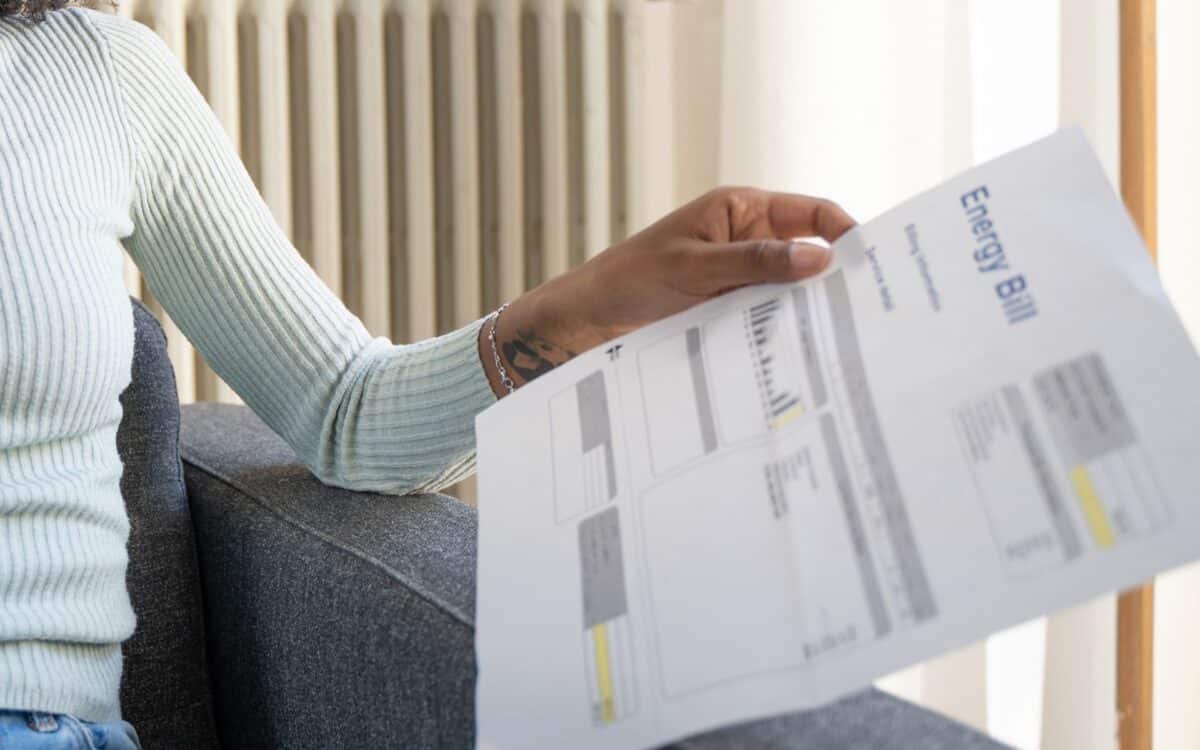
The application process is straightforward. Residents can apply online through the IndyEAP website, and the required documents are minimal: proof of income and a recent utility bill. Importantly, documentation like photo IDs, Social Security cards, or lease agreements is no longer needed, making the application process more accessible than ever.
Key Dates and Moratorium Protection
Applications for IndyEAP opened on October 1, 2025, and will remain open until April 20, 2026. Once submitted, the processing time typically takes about 55 days. After approval, it may take up to another 60 days for the utility company to receive the energy credits. For those who qualify and apply before December 1, a critical protection kicks in: the moratorium. This prevents utility companies from disconnecting service due to non-payment from December 1, 2025, through March 15, 2026.
It’s essential to note that IndyEAP only assists with electric and gas bills, not water or other utilities. The program’s impact on households, however, is significant, helping people stay warm and connected throughout the colder months.
Other States Offering Similar Assistance Programs
Indiana is not alone in offering energy relief. North Dakota residents, for example, can apply for assistance through the Low-Income Home Energy Assistance Program (LIHEAP), which offers up to $1,100 in energy credits.
Funded by the federal government but administered at the state level, LIHEAP in North Dakota is designed for households with incomes below 60% of the state median. In 2025, North Dakota received more than $23 million in funding for this program, and the distributions will continue until May 31, 2026, for eligible applicants.
Similarly, Illinois residents may have already received checks for up to $300 if they attended specific events or met eligibility requirements. In California, residents can be eligible for a direct payment of $183 to help with utility bills.
These programs are all part of a national effort to help households manage their energy costs during the colder months and prevent disconnections that would leave people without heat. Each state’s program has its own eligibility criteria, but the goal is the same: to ensure that all residents have access to the energy they need during the winter season.