A voluntary recall of donor milk distributed across nine U.S. states has been classified as a Class II health risk by the U.S. Food and Drug Administration (FDA) following concerns over a faulty pasteurization reading. The incident, dated August 4, involves a limited number of batches processed at a nonprofit milk bank in Ohio.
According to Newsweek, the issue was traced back to an inaccurate temperature reading during routine operations. The classification points to a potential for temporary or medically reversible health effects, though no confirmed health consequences have been reported. The event remains under active monitoring by federal authorities.
Nearly 6,000 Bottles of Donor Milk Recalled Over Thermometer Error
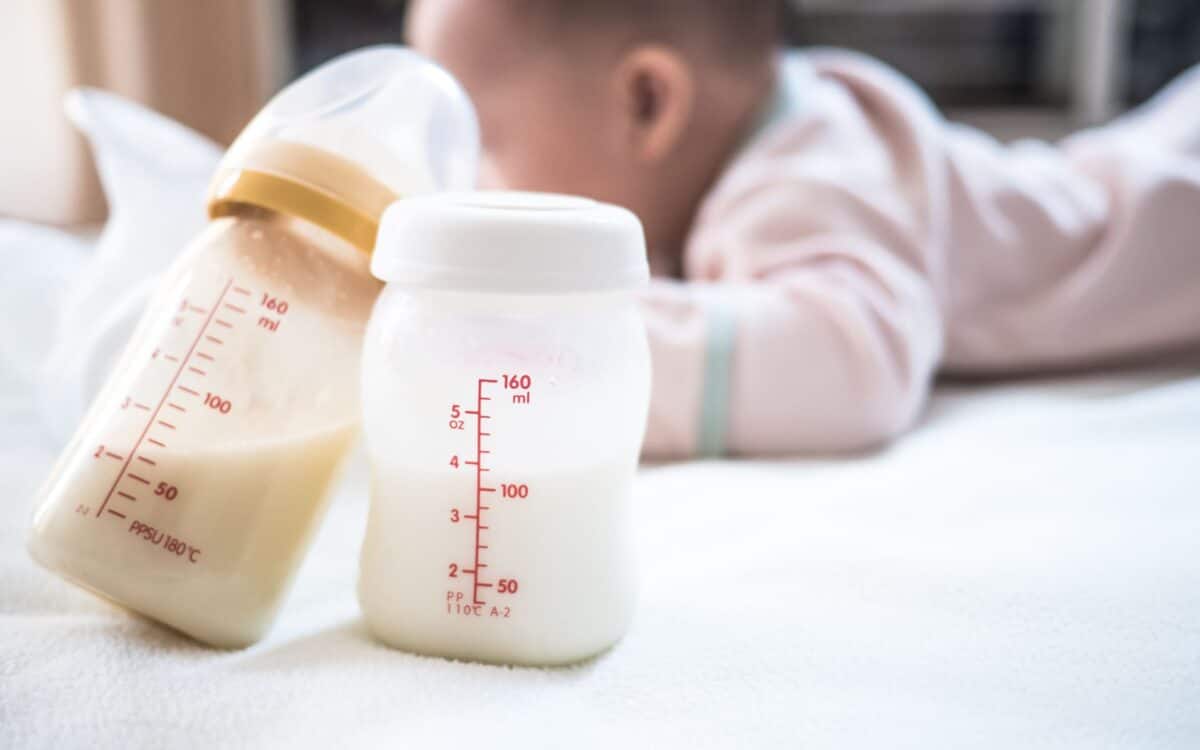
On July 14, the OhioHealth Mothers’ Milk Bank, based in Columbus, Ohio, initiated a recall of 5,735 bottles of human donor milk after identifying an inaccurate temperature reading from a thermometer on a single pasteurization machine.
The affected products include:
- 4,006 units of OH MMB Human Donor Milk, 20.00 Cal/oz., 1.00 g/dl protein, packaged in 3 oz. bottles
- 1,729 units of OH MMB Human Donor Milk, 20.00 Cal/oz., 0.80 g/dl protein, packaged in 6 oz. bottles
In its August 4 classification, the FDA noted that “the exact concentration of protein can vary.” While this nutritional variation is not considered dangerous, it reinforces the need for stringent quality control, particularly in neonatal nutrition.
FDA Issues Class II Classification on August 4
The FDA formally issued a Class II classification on August 4, which applies to situations where use of or exposure to a violative product may cause temporary or medically reversible adverse health consequences, or where the probability of serious consequences is remote.
As described in the FDA’s recall guidelines:
Class I — a situation in which there is a reasonable probability that the use of, or exposure to, a violative product will cause serious adverse health consequences or death.
Class II — a situation in which use of, or exposure to, a violative product may cause temporary or medically reversible adverse health consequences or where the probability of serious adverse health consequences is remote.
Class III — a situation in which use of, or exposure to, a violative product is not likely to cause adverse health consequences.
Milk Bank Defends Safety, Cites Negative Bacterial Tests
In a detailed statement to Newsweek, an OhioHealth spokesperson explained:
The Milk Bank tests every batch of milk that is sent from our facility for bacterial contamination. All batches recalled tested negative for bacterial contamination pursuant to Human Milk Banking Association of North America (HMBANA) standards prior to distribution.
Nonetheless, out of an abundance of caution, OhioHealth Mothers’ Milk Bank has taken the proactive step to recall a limited number of batches to ensure the highest standards of safety and care and has been working closely with the U.S. Food and Drug Administration on this process.
OhioHealth Mothers’ Milk Bank notified those entities and people who received the recalled product and is dedicated to continuing to meet or exceed HMBANA guidelines for milk processing, testing, and distribution.
The recall was conducted
Out of an abundance of caution… to ensure the highest standards of safety and care – the spokesperson added.
Who Uses Donor Milk and Why This Matters
Donor milk is a critical nutritional substitute for infants whose mothers are unable to breastfeed. It is commonly used for premature babies, low birth weight infants, and in situations where parents have adopted and lack access to maternal lactation.
The milk is pasteurized and tested before being distributed through certified milk banks, following rigorous health and safety protocols. This recall raises awareness about the technical vulnerabilities in even well-regulated systems, particularly in equipment calibration.
Consumers Urged to Check Supply and Contact Health Providers
Consumers in the affected states — Minnesota, Missouri, New Jersey, North Carolina, Ohio, Pennsylvania, South Carolina, Vermont, and West Virginia — are advised to:
- Check their milk inventory for recalled lot numbers
- Avoid using the implicated bottles
- Contact OhioHealth Mothers’ Milk Bank or their local health department for further instructions
The FDA has listed the recall as ongoing as of August 5, and updates are expected as the investigation progresses. The recall notice and product information are accessible on the FDA’s website.
Individuals interested in donating breast milk can begin the screening process by contacting the OhioHealth Mothers’ Milk Bank at (614) 566-0630 or emailing [email protected].