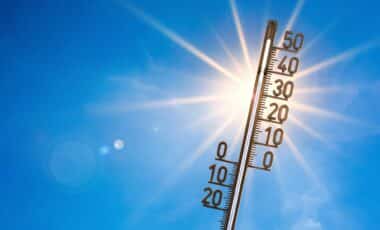

As Queensland swelters through an early spring heatwave, workers in the resource sector are being urged to take extra precautions. Temperatures are soaring across the state, with some areas recording up to 10°C higher than the seasonal average. The Bureau of Meteorology (BOM) has warned that this unseasonably warm weather could continue until the end of the year, putting thousands of workers at greater risk of heat stress.
Unusual Spring Heat
While warm weather isn’t uncommon in Queensland, this year’s spring heatwave is pushing the limits. According to senior meteorologist Miriam Bradbury, temperatures have been consistently 2-5 degrees hotter than usual, and in some regions, it’s almost 10 degrees above the expected norm. This pattern is not just a fluke—BOM predicts that this heat could last well into the summer months.
Bradbury explains that it’s not just the daytime highs that are concerning; the overnight temperatures have been unusually warm as well. As the state moves into December and January, we can expect even more heat as monsoonal weather develops, bringing some cloud cover and slightly cooler temps, but not enough to bring any real relief. So, if you’re feeling the heat now, brace yourself—it might be sticking around longer than usual.
A Risk for Workers
For those in Queensland’s resource sector—especially those working in mining, quarrying, gas, and other physically demanding jobs—the intense heat presents a real danger. The Resources Safety and Health Queensland (RSHQ) has raised alarms about the increased risk of heat stress in these industries, with workers potentially facing dehydration, fainting, heat rash, and even more serious conditions like heat exhaustion and heat stroke.
Rob Djukic, the chief executive of RSHQ, points out that the conditions could escalate quickly if proper heat management strategies aren’t in place. While the science behind managing heat stress is relatively simple, it’s often overlooked in high-demand workplaces. “Modifying the environment to suit the work, and modifying the work to suit the environment, are key strategies that can reduce heat-related risks,” Djukic says to Thenewdaily.
Heat Management at Work
There are a number of measures that can help mitigate the risks associated with working in extreme heat. The first step is adjusting the schedule to avoid peak heat hours. Rescheduling physically demanding tasks to the cooler parts of the day—early mornings or late afternoons—can make a huge difference. Another important strategy is the use of mechanical aids to lessen the physical strain on workers. This might include machinery that helps with lifting or moving heavy loads, reducing the need for manual labor in the sweltering heat.
It’s also vital to ensure that workers stay hydrated and have access to shade or cooling systems when taking breaks. This may seem like common sense, but in industries where time is money, these precautions are often neglected.
The Bigger Picture
While the immediate concern is workers’ safety, there’s also a broader environmental context to consider. Queensland, like many parts of Australia, is experiencing more frequent and intense heatwaves due to climate change. The BOM forecasts that such weather patterns could become the new norm, with longer and hotter seasons expected over the coming decades. For industries that rely on physical labor, this could mean a dramatic shift in how work is scheduled, with heat stress becoming an even more pressing concern.
In light of this, experts urge businesses to not only focus on short-term fixes but to also consider long-term planning. More robust policies to protect workers from the heat, better infrastructure, and even climate adaptation strategies could help industries cope with these extreme conditions as they continue to worsen.