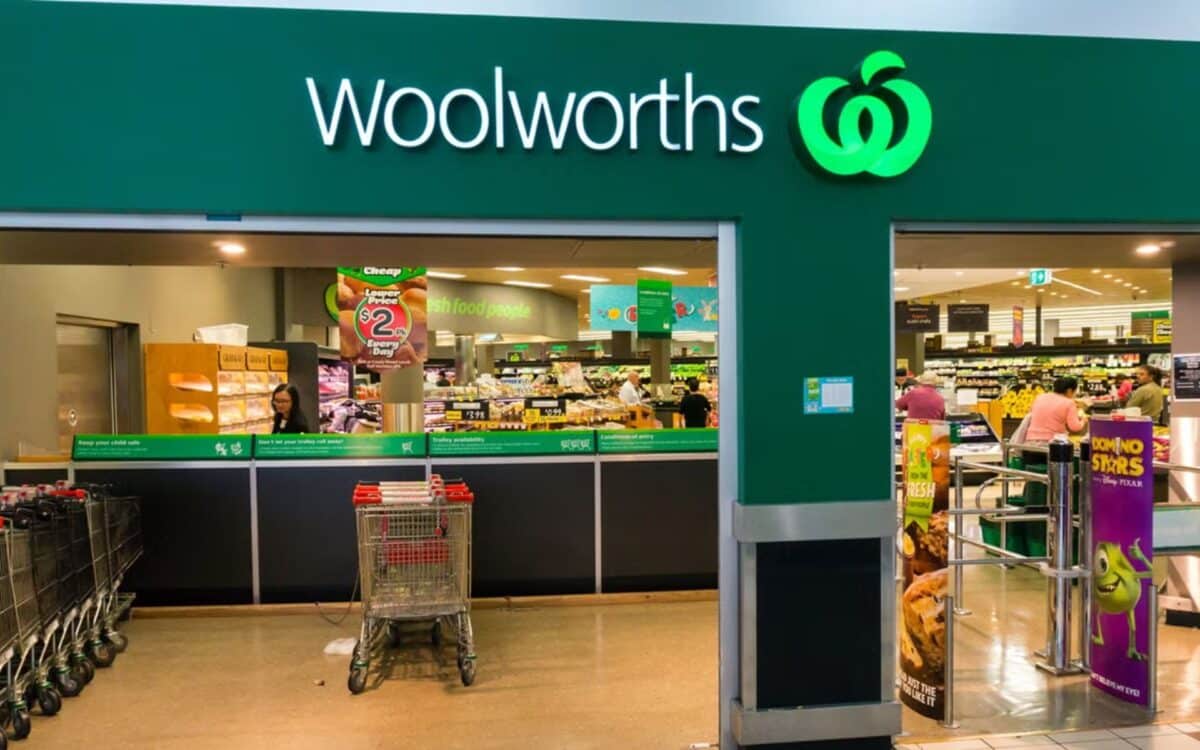
Two of Australia’s largest supermarket chains, Woolworths and Coles, are preparing for a combined payout of more than $750 million following a Federal Court decision that found they had underpaid over 27,000 salaried managers dating back to 2013. The case involves long-standing payroll practices that failed to account for overtime and award entitlements.
According to News.com.au, the ruling brings together multiple legal actions initiated in recent years. The matter now ranks among the most significant wage underpayment cases in corporate Australia, raising questions about internal compliance systems while financial impacts are still being assessed by both companies.
Federal Court Ruling Exposes Salary Flaws Going Back to 2013
In a ruling handed down by Federal Court Justice Nye Perram, the court found that Woolworths underpaid 19,000 employees, while Coles underpaid 8,768 staff. These underpayments affected salaried managers who were not properly compensated for overtime, penalty rates, or other entitlements under the General Retail Industry Award (GRIA).
The judgment concluded that both supermarket chains failed to maintain adequate records of hours worked, rosters, and clock-in/clock-out data, meaning overtime and weekend work were not correctly tracked.
Financial Impact Estimated in the Hundreds of Millions
In ASX announcements, both companies provided preliminary estimates of the financial impact.
- Woolworths anticipates total costs between $180 million and $330 million, warning that this figure “could reach $530 million” depending on ongoing calculations and interest.
This is a very preliminary estimate with significant uncertainty – the company stated.
- Coles, meanwhile, projected a financial hit between $150 million and $250 million, also cautioning the market against making assumptions.
Coles cautions the market from relying on speculative estimates which may not have adequate regard to the application of the decision to Coles’ specific circumstances – the company said.
This marks one of the largest underpayment scandals in Australia’s corporate history.
Legal Action Dates Back to 2019 and 2020
The ruling brings together four separate legal actions launched in 2019 and 2020 by class action law firm Adero Law and the Fair Work Ombudsman. Both organisations pursued the supermarkets over breaches of workplace law affecting thousands of salaried workers.
In his findings, Justice Perram noted:
The basic problem common to each action is that the employees in question were employed under written contracts providing for an annual salary.
He went on to criticize how the case had been managed:
While I would not wish to be definitive about how litigation of this kind might be handled in the future, I am confident that they should not be handled the way these four cases were. This should not be done again.
Criticism of Australia’s Retail Award System
The decision has reignited concerns about the complexity of the GRIA, which governs employment conditions in the retail sector.
Chris Rodwell, CEO of the Australian Retailers Association (ARA), voiced strong criticism of the award:
With 994 different pay rates across almost 100 pages, the GRIA is incredibly difficult for employers to understand. It is clearly not fit-for-purpose for larger employers.
Rodwell emphasized that even major companies like Woolworths and Coles had struggled to interpret the award correctly.
The expectation that smaller mum-and-dad operated businesses, who lack legal and HR resources, can use the award appropriately is entirely unreasonable.
He also stressed the importance of clear communication for employees:
Workers have the right to understand their pay and conditions clearly and simply.
Broader Implications for Corporate Compliance
The ruling signals a potential shift in how salaried roles are managed in Australia, especially for large employers. With both Woolworths and Coles now under intense scrutiny, other corporations may soon face similar legal and reputational challenges if they rely on fixed salaries without accurate tracking of actual hours worked.
For Woolworths, already under pressure from earlier wage reviews, this is another blow to its corporate image—particularly given that this is now the fourth time Woolworths has been linked to systemic underpayment in the last five years.
As investigations continue and payouts are recalculated, this case is likely to prompt deeper reforms—both in how companies manage payroll and in how industrial laws are written and enforced.