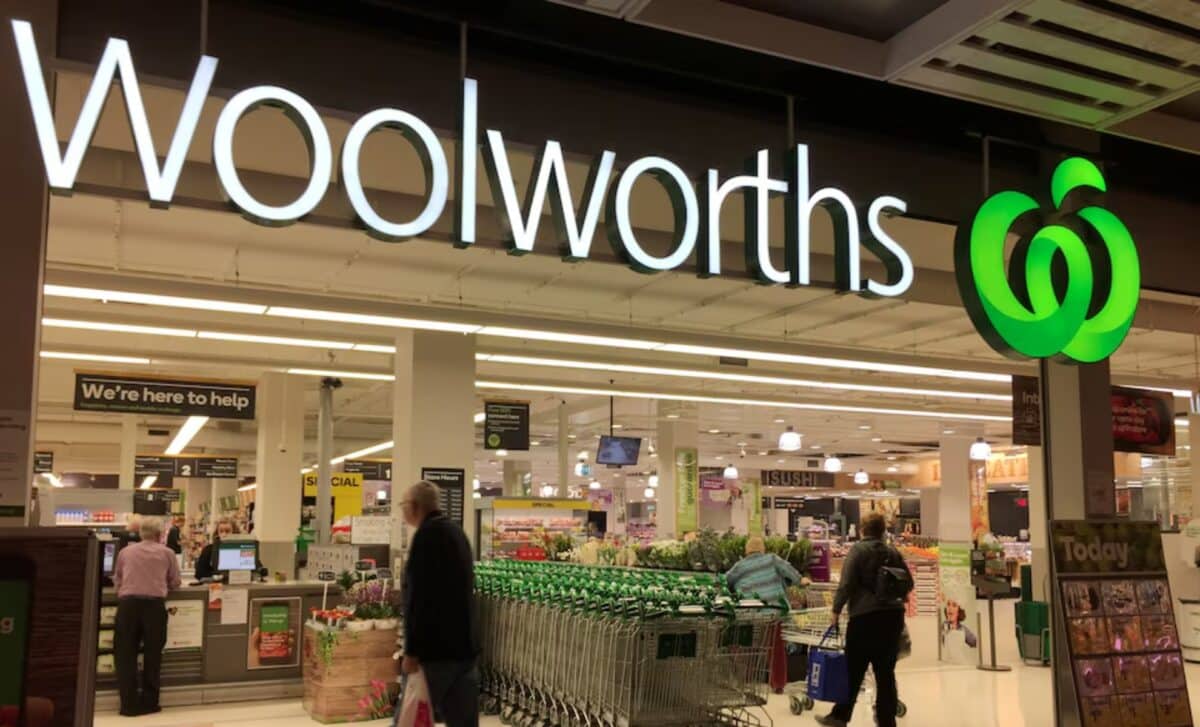
A small change at the checkout has led to big results. Woolworths customers across Australia are ditching printed receipts in favour of digital ones—and saving serious resources in the process. The supermarket group says the environmental impact is larger than most shoppers might expect.
Over 4.5 Million Woolworths Customers Go Digital
Since October 2024, more than 4.5 million customers at Woolworths, BWS, and Big W stores have chosen to opt out of paper receipts. Instead, they now receive their proof of purchase by email through the Everyday Rewards app.
According to a Woolworths spokesperson, the switch has saved over one million kilometres of receipt paper—enough to wrap around the Earth 25 times, reports Yahoo News. Customers can still request a printed receipt at checkout if needed, but the digital option is now the default for many.
The company says this shift represents a “simple change” that helps reduce waste without affecting convenience for most shoppers.
A Hidden Source of Waste With National Impact
While receipts might seem like a minor item, the environmental footprint is far from small. A 2023 study by the University of Technology Sydney estimated that over 10.6 billion receipts are printed across Australia every year. This volume requires around 150,000 trees, generates 96,000 metric tonnes of carbon emissions, and consumes over 1.5 billion litres of water.
Most receipts cannot be recycled because they are coated with plastic or contain chemical treatments. As a result, nearly all end up in landfill, where they contribute to long-term waste issues. There are also potential health concerns. Some studies have raised flags about chemical compounds in receipt paper, although further research is still needed.
Opt-In Simplicity, With Room for Choice
Woolworths has made the process easy: customers simply open the Rewards app, adjust their receipt preferences, and start receiving digital versions automatically. For those who prefer printed copies—for returns, warranties or tax records—the paper option remains available on request.
Feedback from customers has been mostly positive, especially among shoppers who already rely on digital records. The supermarket positions this as a balance between sustainability and practicality.
A Small Habit, a Large Effect
It’s a quiet change—no marketing campaign, no pressure. But the cumulative results speak for themselves. Cutting down on unnecessary receipts reduces the demand for trees, limits carbon emissions, and avoids further strain on recycling systems that aren’t built to handle thermal paper.
As consumer habits evolve and sustainability becomes more embedded in everyday retail, the Woolworths model could become a reference point for other large retailers looking to reduce waste without disrupting service.