
Australia’s economy might be in for a bumpy ride in 2026. After a period of optimism, it seems the picture has started to shift, and the nation could be heading toward more economic uncertainty. What does this mean for you, the average Aussie, and for the future of the economy as a whole?
A Changing Landscape
A few months ago, things looked promising. Inflation seemed to be under control, the labor market was tightening, and growth was picking up steam. The Reserve Bank of Australia (RBA) appeared to be managing the country’s economic health well, with hopes of achieving that elusive “soft landing”—you know, that ideal situation where the economy slows down just enough to avoid a recession, but not so much that it falls off a cliff.
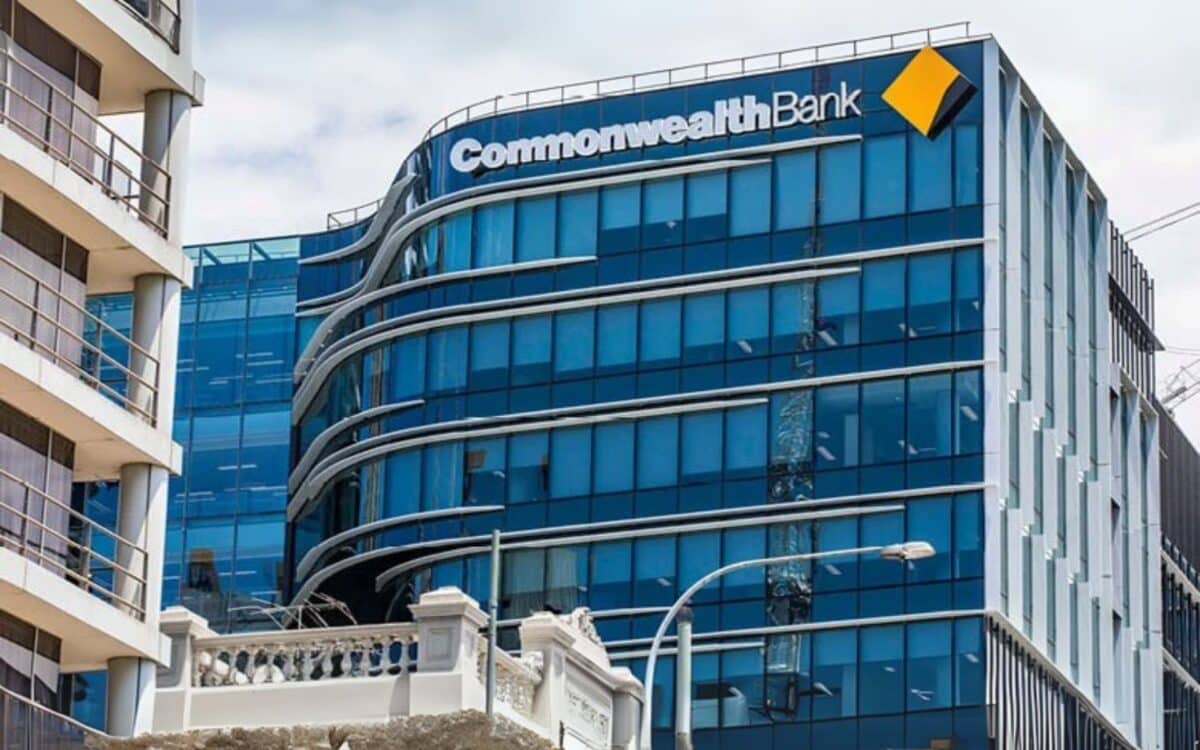
But now, according to the Commonwealth Bank (CBA), things aren’t as clear-cut. In fact, they’ve issued a warning that 2026 could bring more price pressure, including the possibility of higher interest rates. The reasoning behind this is a confluence of factors that have come together over the past few months. First, there’s the unexpected surge in housing prices. Second, a resilient labor market is keeping wages and spending steady, and lastly, inflation appears to be creeping up again in ways that even economists didn’t fully expect.
The Return of Inflation
Let’s talk about inflation for a second. This is where things get interesting—and a little concerning. Despite efforts by the RBA to tame inflation, it seems that price pressures are starting to show up in places we didn’t anticipate. Housing prices, for instance, have reaccelerated in a way that surprised even the experts. Construction costs are still high, and with demand for housing remaining strong, that’s pushing prices up again.
And then there’s the labor market. It’s tight. Really tight. Which sounds great on the surface, right? People are working, wages are (mostly) going up, and unemployment is low. But here’s the catch: when the labor market is too tight, it can cause inflationary pressure because employers start competing for workers, driving wages higher. And as wages increase, prices of goods and services can follow suit. It’s a bit of a snowball effect.
The Economy’s ‘Speed Limit’ and Rate Hikes
So, what does this mean for interest rates? According to the CBA, we might see more rate hikes in 2026. The economy is reaching its “speed limit,” as they put it, and when that happens, the RBA might not have much room left to maneuver. They can’t lower rates to stimulate the economy if inflation is still a concern. So, it’s a bit of a balancing act, and the RBA might be forced to raise rates even higher to keep things under control.
This will likely have an impact on everything from home loans to car loans, credit card debt, and personal savings. So, if you’re planning on borrowing or investing in anything big over the next year, you might want to brace yourself for higher costs.
What’s Next?
Looking ahead, 2026 could be a year of mixed emotions for Australia. On one hand, the economy is resilient. The labor market remains strong, and growth is still happening. On the other hand, the price pressures are real, and with them come tough choices—higher interest rates, potentially lower economic growth, and rising costs of living.
So, what can you do to prepare? Well, it’s not all doom and gloom. You can start by reviewing your personal finances. Is your home loan fixed or variable? How would a rate hike affect your monthly repayments? Do you have enough savings in case prices go up even more? Being proactive in your financial planning could help soften the impact.