Summer in Western Australia is no stranger to extremes, but this one feels different. A powerful dome of heat has settled over the state’s north, pushing temperatures dangerously close to 50 degrees and prompting warnings from health and emergency authorities.
Record-Breaking Heat Sweeps Across the Pilbara
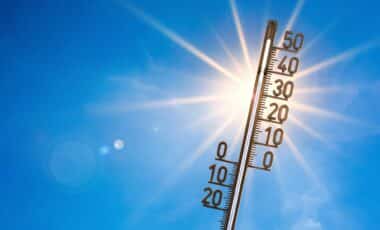
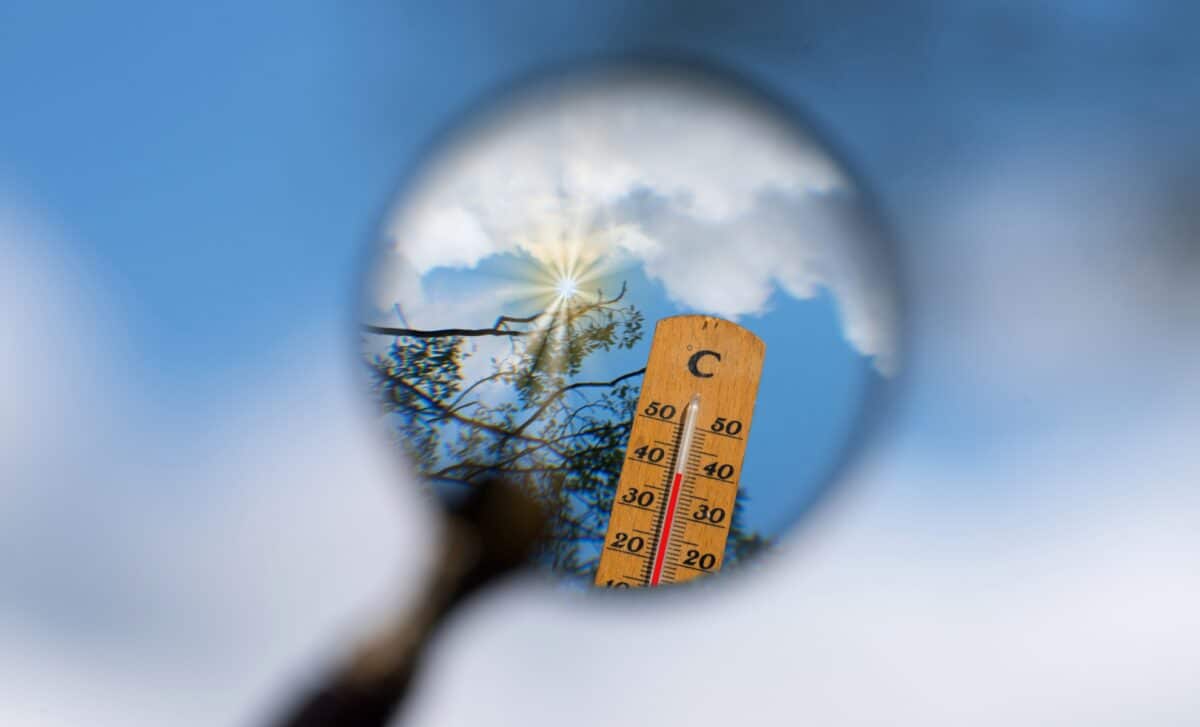
Communities in the Pilbara region are enduring some of the most intense heat seen anywhere in Australia this summer, with thermometers hovering around 49 degrees in towns like Marble Bar, Paraburdoo, and Newman. The Bureau of Meteorology has warned that the extreme conditions will continue into the weekend, making it one of the hottest stretches in years.
The Bureau’s senior meteorologists say the pattern is being driven by a slow-moving high-pressure system trapping hot air over inland Western Australia, reports 9News. With little wind and no sign of rain, the heat is building day by day. Residents are being urged to limit outdoor activity and keep hydrated, as conditions could become life-threatening.
Communities on Alert as Heatwave Intensifies
Local councils and emergency services have issued warnings to residents to check on elderly neighbours, avoid unnecessary travel, and prepare for potential power outages. The extreme heat has also sparked concerns about bushfires, with vegetation across the region tinder-dry after weeks without significant rainfall.
Hospitals have reported a small rise in heat-related illnesses, including dehydration and exhaustion, particularly among outdoor workers and travellers. Health authorities have reminded residents to seek shade, wear light clothing, and never leave children or pets inside cars — even for a short period.
Power Grid and Wildlife Under Pressure
The relentless heat is also testing Western Australia’s power grid, with air-conditioner demand expected to reach record highs. Energy providers have warned of possible disruptions as systems work overtime to handle the surge.
Wildlife groups say the heat is taking a toll on native species as well. Birds, kangaroos, and smaller mammals are struggling to find water sources, prompting local rangers to set up makeshift hydration stations in several national parks.
When Will the Heat Ease?
Forecasters predict the heatwave will linger for several more days before a weak change brings slight relief to coastal areas early next week. Inland regions, however, may not cool down for some time.
While Western Australians are used to scorching summers, experts say this latest event highlights the growing intensity of heat extremes across the state. Climate scientists warn that such prolonged bursts of extreme weather could become more common in the years ahead, especially in remote inland areas.
For now, the message from authorities is simple: stay cool, stay indoors, and look out for one another — this heat is not to be taken lightly.