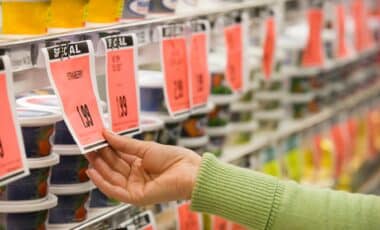
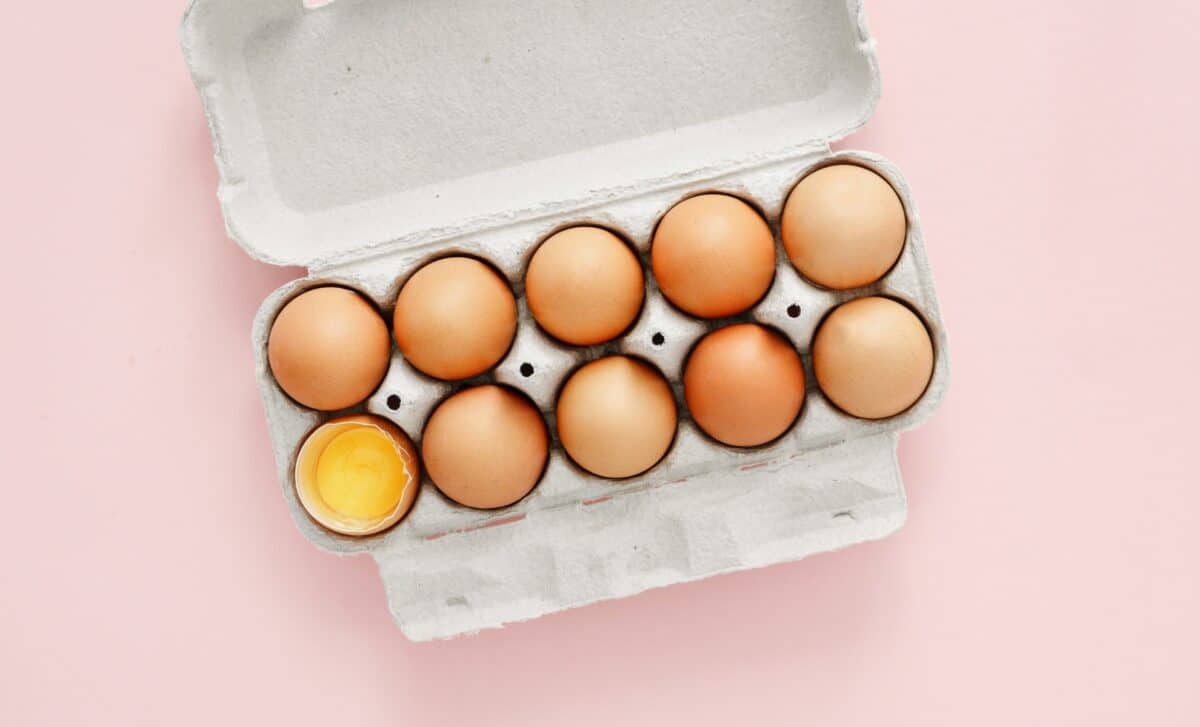
It was only months ago that shelves across South Australia were left bare as egg supplies dwindled, and consumers scrambled to find even a carton or two. Fast forward to today, and the egg market has taken a sharp turn. What once seemed like an unrelenting shortage has now transformed into an unexpected oversupply. South Australian farmers are now left with eggs they can’t sell, all because the recovery from bird flu came faster than anyone anticipated.
Egg Market in Crisis: From Shortage to Surplus
Darren Letton, a farmer in South Australia’s Riverland, has been producing eggs for over five decades. He recalls a time when the demand for eggs was through the roof, driven by a significant shortage caused by a massive bird flu outbreak. This disease wiped out approximately 10% of egg-laying chickens, and for months, grocery store shelves seemed emptier by the day.
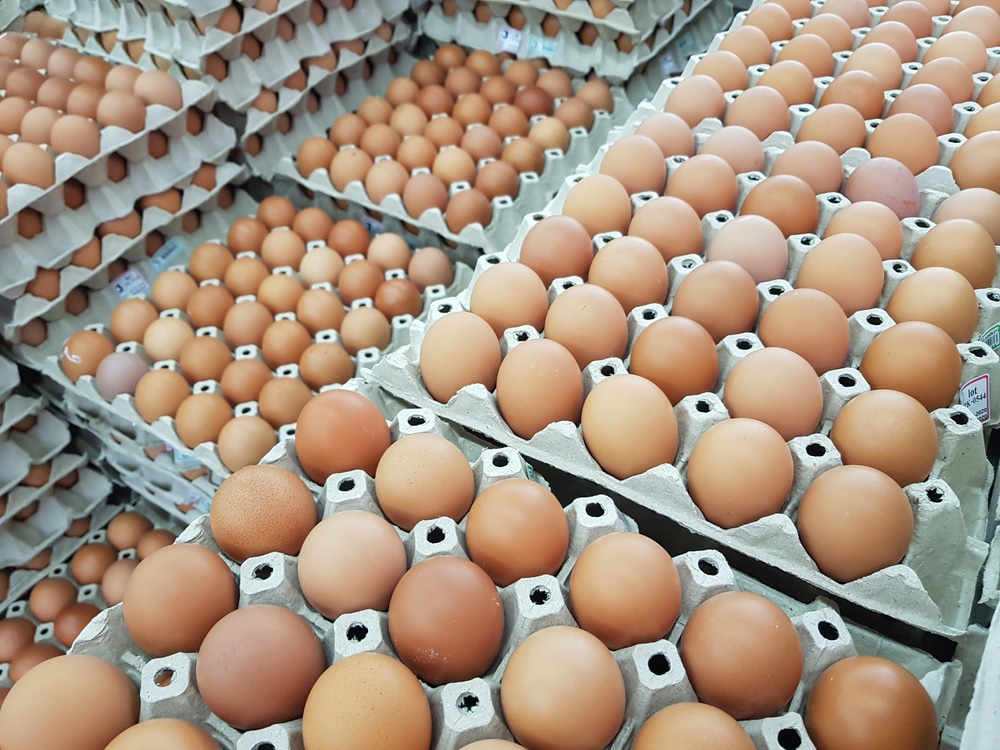
His business was thriving, as major supermarkets scrambled to secure eggs from local farmers like him. But now? His farm is overflowing with unsold eggs. “Eggs are flooding in from the eastern states,” Letton said to ABC News. “They’ve recovered from bird flu, and now they’re struggling to sell. So what do they do? Dump them here in South Australia.” The sudden influx of eggs from interstate producers has caused prices to plummet, and competition has intensified.
Farmers who were once at the mercy of suppliers now find themselves in a precarious position. When prices drop, it’s no longer about supply and demand; it’s about trying to stay afloat in a flooded market. “Farmers can’t make a living if they’re giving away product at cheap prices,” Letton says. “It can drive you out of business.”
A Statewide Issue
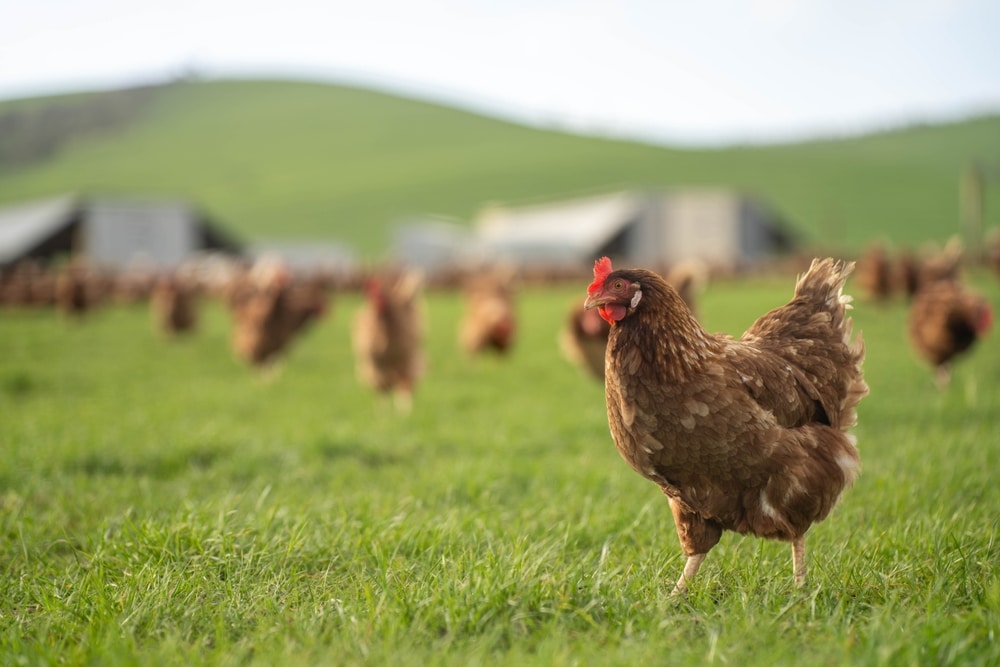
Letton isn’t the only one facing this dilemma. Catriona Byrne, co-founder of Feather and Peck in Willunga, has seen demand for her premium pasture-raised eggs drop significantly. “Six to nine months ago, we had double the demand for what we could supply,” Byrne explains. “Now, we’ve got a quarter of what was ordered.” This rapid shift from shortage to surplus has left many farmers scratching their heads.
The unexpected speed of recovery caught many off guard, and now, eggs are in abundance. Retailers like Coles and Woolworths, however, are doing their part to support local producers. Woolworths, for instance, continues to source almost 95% of its eggs from South Australia, and Coles has recently expanded shelf space for local egg brands.
The Consumer Role
As egg supplies stabilize and prices drop, consumers have the opportunity to make a real difference by supporting local farmers. South Australian Produce Market’s Penny Reidy urges people to shop locally, where they’ll find better deals on eggs from nearby producers. “We’ve gone from a situation where eggs were almost impossible to find, to now seeing prices come down – even for free-range eggs,” Reidy says.
However, despite the improved supply, Byrne and Letton both acknowledge the ongoing pressure on household budgets. With so many choices on the market, cost-conscious shoppers might opt for cheaper eggs, leaving premium local products at a disadvantage.
A Lesson in Resilience
The egg industry in South Australia has certainly been through a rollercoaster ride over the past year. From the devastation of bird flu to a surprisingly swift recovery, the market has had to adapt quickly. For local farmers, it’s a delicate balancing act—demand is unpredictable, and the competition is fierce. But despite the challenges, they remain resilient, hoping that consumers will continue to support local agriculture in these uncertain times.