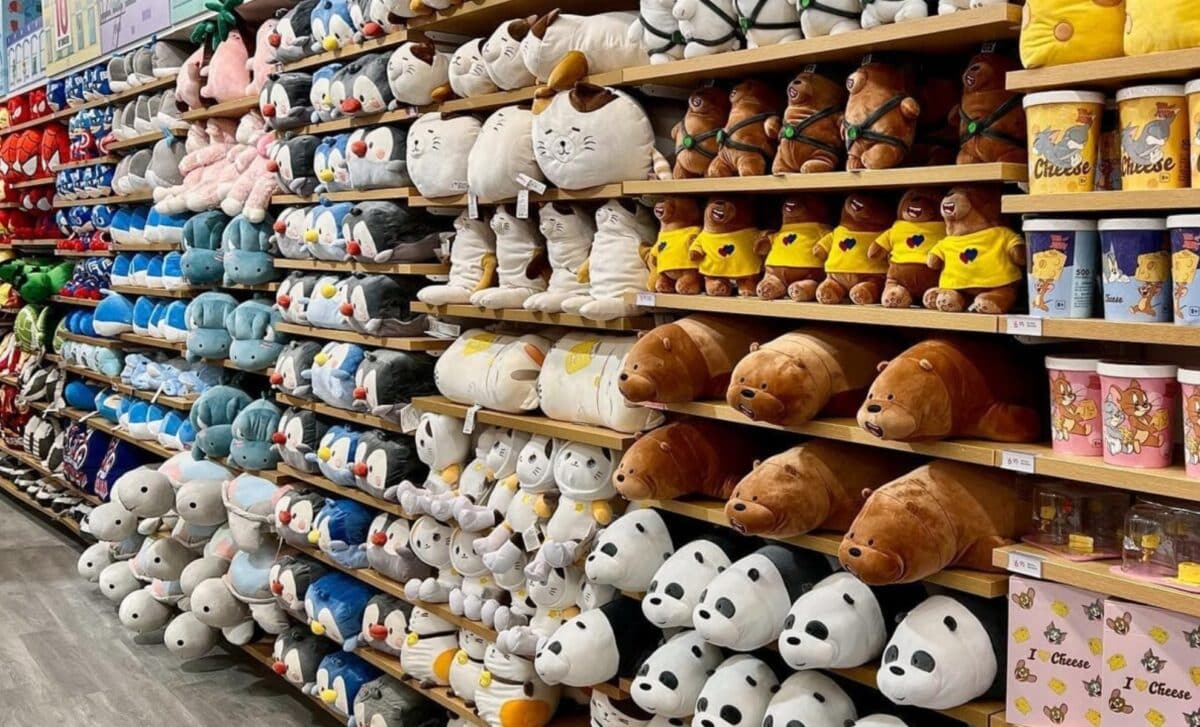
A popular toy brand has found itself in hot water over a serious safety lapse. Miniso, a Chinese retailer with a strong presence in Australia, is in the middle of a recall that has left parents and authorities deeply concerned. It’s all because of a seemingly innocent little keychain toy — but lurking inside is a potentially deadly hazard. Here’s why this could be a big problem for anyone with young children.
The Hidden Danger Inside Cute Keychains
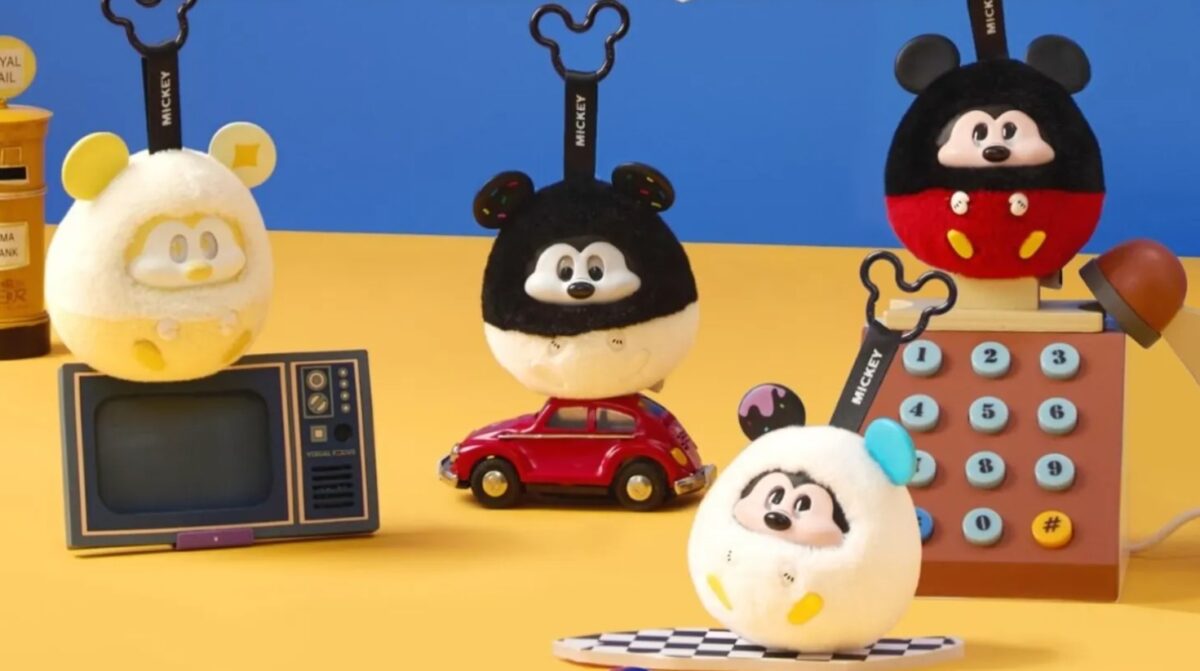
Victoria’s consumer safety regulators have been scrambling to remove these off-brand Labubu-style keychains and other products from Miniso stores. What’s the issue? These toys contain small “button batteries,” the type that have been linked to tragic injuries and even deaths in children. The problem isn’t necessarily with the batteries themselves, but with how Miniso failed to properly warn customers about the danger.
Why Are Button Batteries So Dangerous?
On Thursday, authorities were forced to step in after repeated failures by Miniso to remove the non-compliant toys from their shelves. In a high-stakes move, Consumer Affairs Victoria sent inspectors to enter Miniso stores and pull hundreds of these toys. The issue? The toys didn’t carry the legally required warnings about the presence of button batteries — something that can be life-threatening to kids who accidentally swallow them.
So why are these batteries such a big deal? Button batteries, though small, are incredibly dangerous when ingested. If swallowed, they can burn through a child’s esophagus in a matter of hours, causing severe injuries or even death. It’s a terrifying prospect, and one that parents might not even think twice about when picking up what seems like an innocuous, cute keychain or plush toy.
Toys from Disney and Labubu Under Fire
The toys in question weren’t just any random merchandise. Some of them featured beloved Disney characters like Mickey Mouse and Stitch, while others were inspired by the quirky Labubu dolls. All of these toys had a small button battery inside that powered lights and sounds. However, despite the presence of this dangerous component, Miniso failed to follow the safety standards required by law — a crucial oversight that could have serious consequences.
Repeated Failures and Increased Scrutiny
It wasn’t just a one-off mistake. A follow-up inspection revealed that Miniso had not only failed to remove the existing non-compliant products from shelves, but they also continued to sell new ones that hadn’t been properly labelled. This prompted the state’s consumer safety body to escalate matters, leading to the removal of additional items, including a Harry Potter-themed nightlight.
Miniso, for its part, assured authorities that it would remove the problematic products. However, the situation became dire enough for Consumer Affairs Victoria to refer Miniso to the Australian Competition and Consumer Commission (ACCC). With stores across Australia — 17 in Victoria alone — Miniso’s national reach made the situation all the more urgent.
The safety risks posed by button batteries aren’t just theoretical; there are documented cases of children suffering severe injuries. In one case, a young child swallowed a button battery, leading to an internal burn that required extensive medical intervention. This reality has prompted strong calls from experts and regulators for stricter enforcement of warning labels on products containing button batteries.
What’s Next for Miniso and Other Retailers?
Nicole Rich, the director of Consumer Affairs Victoria, expressed deep concern over the situation. “Parents and carers have the right to be warned about the serious dangers posed,” she said. The agency has vowed to continue its crackdown on retailers who fail to comply with safety standards, ensuring that this oversight doesn’t go unnoticed again.
It’s not just Miniso under the microscope. Other retailers could also find themselves facing scrutiny if they fail to meet these mandatory safety requirements. Under Australian consumer law, companies that sell products without proper safety labels can face hefty fines — potentially up to $50 million. So while Miniso deals with the fallout, other retailers may want to double-check their own toy inventory.