
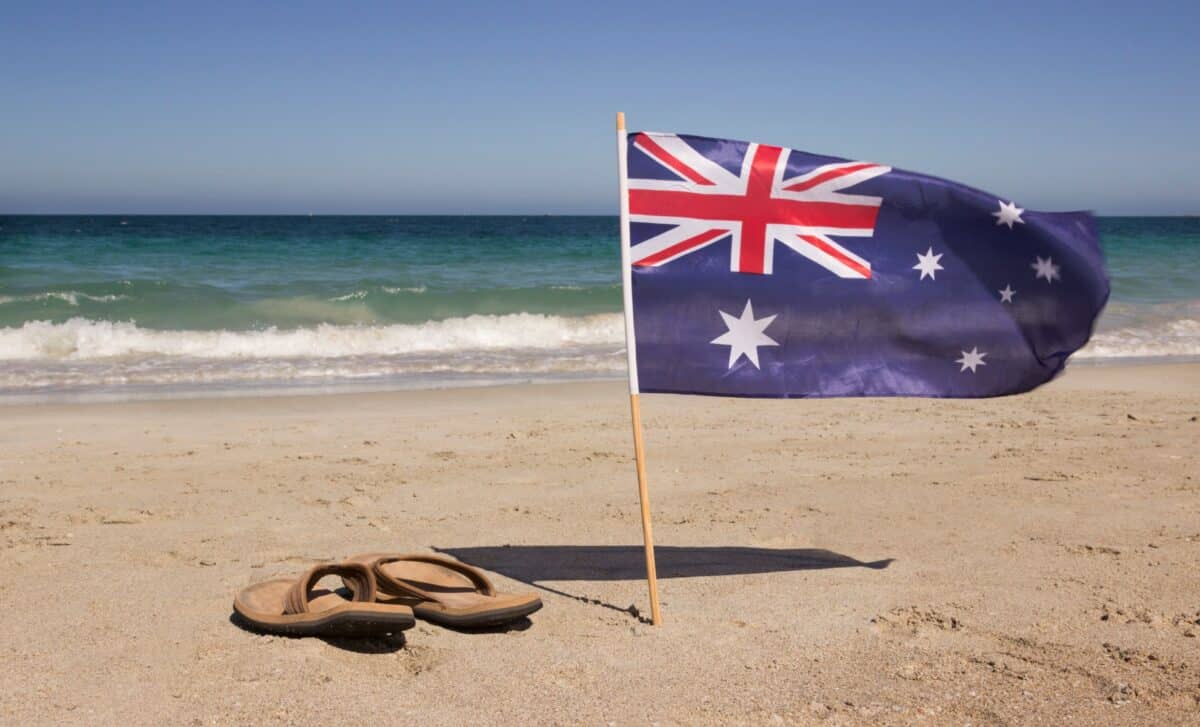
Every summer, tourism brings life and colour to Australia’s coastal towns — but sometimes, too much of a good thing can cause real problems. In parts of Western Australia, locals are warning that an explosion of visitors is pushing their communities to the brink. Some even fear their town’s charm could disappear altogether if numbers keep rising.
Too Much of a Good Thing
The town of Busselton — home to the famous Busselton Jetty — has seen visitor numbers skyrocket in recent years. Over the Christmas and New Year period alone, an estimated 10,000 tourists descended on the area. That’s a lot of people for a small coastal town trying to keep its laid-back vibe intact.
Lisa Shreeve, CEO of the Busselton Jetty, says the situation is reaching breaking point. “The Busselton Jetty is special, and we don’t want to lose that,” she told the ABC. Shreeve stopped short of calling for a total cap on visitor numbers but believes limits on specific attractions, like the underwater observatory and train rides, might be necessary. “When you go to places like the Trevi Fountain in Rome and see 10,000 people standing there, it really impacts your experience,” she said.
It’s a comparison that hits home for many residents, who feel that Busselton’s charm — its slower pace, its small-town feel — is being pushed aside by crowding and congestion.
Overtourism Worries Spread Across the Coast
The concern isn’t limited to Busselton. Nearby Dunsborough is facing similar problems. Jeff Forrest, who chairs a local reference group, says parking during the holiday season has become a nightmare. “There have been times where you can’t get a car park at all, not even on the side of the road,” he explained. Forrest believes authorities need to seriously consider limits before overtourism “destroys” the area’s natural appeal.
It’s a sentiment echoed across the state. Western Australia’s Department of Biodiversity, Conservation and Attractions (DBCA) has been pleading with visitors to behave responsibly, especially in hotspots like William Bay National Park, which receives more than 100,000 visitors each summer. Off-road parking, littering, and damage to vegetation are just a few of the growing concerns.
Regional parks leader Peter Masters described the issue as a case of natural beauty being “overloved.” He’s urging travellers to explore lesser-known inland destinations rather than overcrowded beaches. “A coastal trip isn’t the only way to have a good holiday,” he said.
Tourism Boom Meets Fragile Balance
The tourism surge isn’t a surprise — after years of travel restrictions and rising international prices, many Australians are choosing domestic holidays. National spending on local travel is expected to hit $173 billion this year, with nearly three-quarters of people opting for regional getaways instead of overseas trips.
While this is a financial blessing for many local businesses, it’s creating a balancing act between economic opportunity and environmental preservation. Some critics argue that Western Australia’s coastline can handle larger crowds, pointing out that destinations like Sydney’s Bondi Beach absorb far more tourists without similar restrictions. But for smaller towns, the infrastructure simply isn’t built for this level of demand.
The Push for Change
The City of Busselton has already tried to rein in short-term accommodation through tighter Airbnb regulations, but locals say more needs to be done. Possible solutions include stricter parking enforcement, ticket caps for attractions, and even seasonal visitor limits. At the heart of the debate is one simple question — how do you welcome tourists without losing what makes a place special?
For now, residents can only hope that policymakers listen before it’s too late. Because while visitors bring money and life to these coastal havens, too much of a good thing could leave them changed forever.