
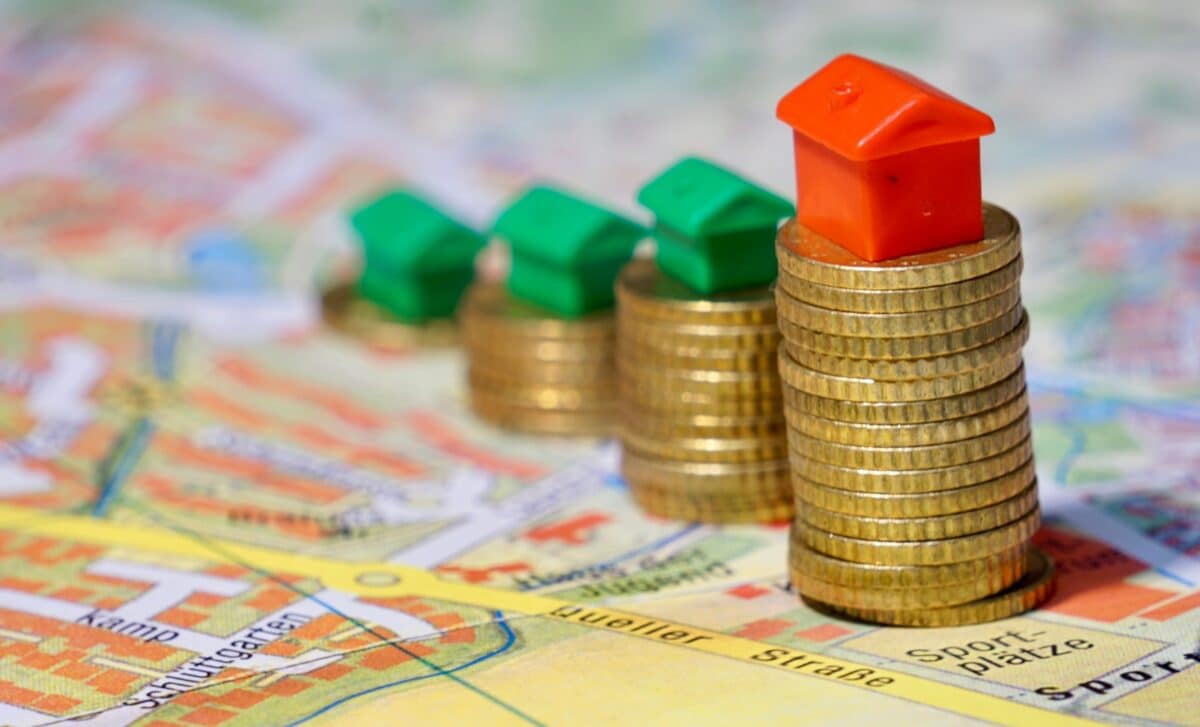
A new report reveals a startling increase in rental prices across Australia, with renters now paying an average of $204 more per week than they did just five years ago. The surge in rental costs, which has seen median prices surpass $700 per week for the first time, has been driven by limited housing supply, skyrocketing demand, and rising vacancy rates, making it more difficult for tenants to find affordable accommodation.
The Rising Cost of Renting
According to Cotality‘s (formerly CoreLogic) Quarterly Rental Review, rental prices in Australian capital cities have risen by nearly 44% over the last five years, marking a sharp increase that has caught the attention of both renters and policymakers. The average rent for a property in a capital city has topped $700 a week, up from approximately $490 in 2020.
Sydney, traditionally known for its high rental costs, remains the most expensive city, with a median rental price of $807 per week. Perth and Brisbane follow closely behind, with rents reaching $729 and $696, respectively. On the other hand, Hobart offers a relatively more affordable option, with a median weekly rent of $584.
Factors Driving the Rental Surge
The report highlights two key factors driving this price surge: low vacancy rates and the limited availability of rental listings. Currently, only 1.47% of rental properties are available for lease—less than half of the pre-COVID average. This shortage of rental stock has created intense competition among prospective tenants, with many renters being forced to apply for properties that are unsuitable or to outbid others in an attempt to secure a place to live.
Leo Patterson Ross from the Tenants’ Union of NSW points out that large inspection groups, combined with limited options, are creating an intimidating environment for renters. Many are being pushed further away from their workplaces and communities due to rising costs, leading to significant disruption in people’s lives.
Rental Market Strain on Renters
The pressure on renters is further compounded by fears of rent hikes. Many renters are avoiding reporting maintenance issues to their landlords, as they worry that doing so could lead to higher rents or even eviction in such a competitive market. This fear exacerbates the strain many people face in securing and maintaining stable housing.
While some Australian states and territories have introduced reforms to restrict no-cause evictions and limit rent increases, these measures have not been sufficient to fully address the issue. The Australian Capital Territory is the only jurisdiction that has implemented an “excessive rent increase” guideline, which is linked to the Consumer Price Index (CPI).
The Economic Impact of Rising Rents
Cotality economist Kaytlin Ezzy suggests that the ongoing rise in rents could have broader economic implications, particularly concerning inflation. Since rents make up a key component of the CPI, the continued increase in rental prices may push inflation higher, complicating the Reserve Bank of Australia’s (RBA) efforts to reduce interest rates. As a result, renters could face ongoing financial strain, with the cost of living becoming increasingly difficult to manage.
While rental prices in capital cities continue to soar, regional areas have also seen a significant increase in rents. The median rent for regional properties has risen by 5.9% in the year to September, compared to 3.7% in the capitals. This rise in regional rents means that even Australians living outside major metropolitan areas are feeling the impact of the housing shortage.