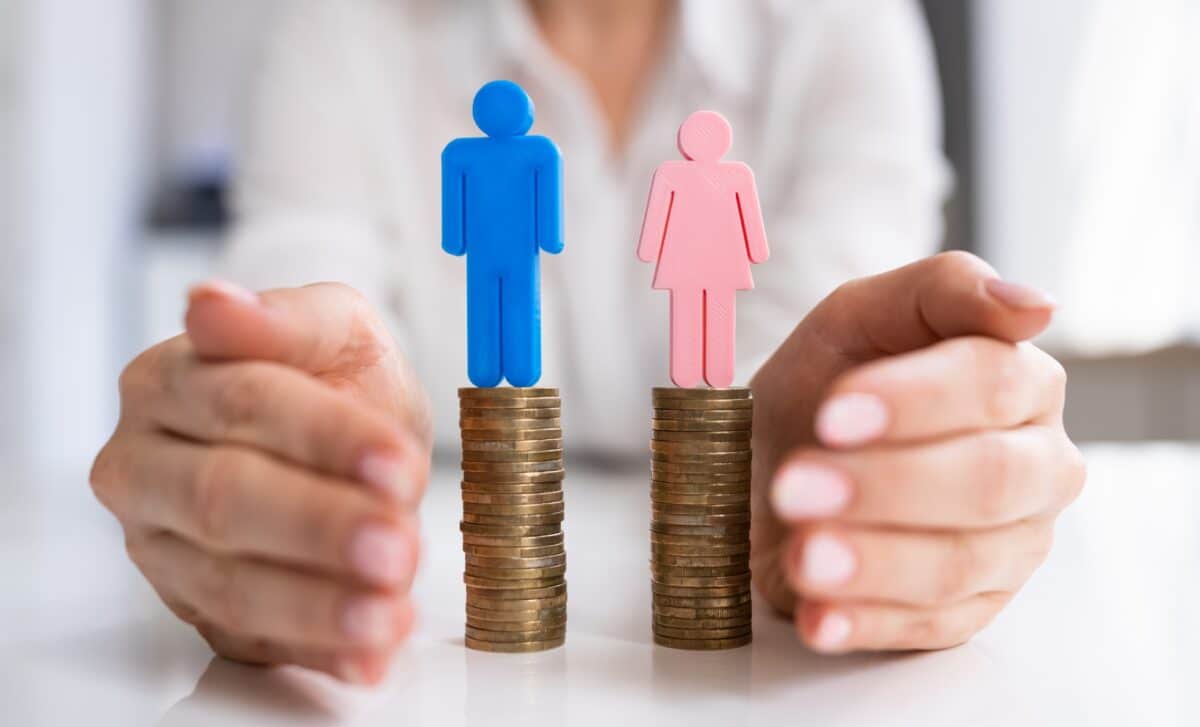
Despite decades of effort, gender equality in the Australian workforce is progressing at a glacial pace. While some positive changes have occurred, the reality is that deep-rooted challenges remain. A new index shows that significant gaps in pay, job opportunities, and career progression persist. But there’s hope: if we focus on the right areas, there’s still room for change.
A Slow But Steady Shift
The new Gender Equality @ Work Index, developed by the Australian Centre for Gender Equality and Inclusion at Work, gives us a snapshot of the state of gender equality in the Australian workforce. The findings are both eye-opening and, honestly, a bit disheartening. Over the last decade, the overall gender equality score has only risen by three points—from 80 to 83. This means that, despite various efforts by governments, employers, and unions, we’re still a long way from equality.
What’s interesting (and, frankly, frustrating) is that the score still lags 17 points behind a perfect 100. So, while there’s some improvement, it’s happening at a pace that feels too slow for those who have been pushing for change for years.
Gender Equality in the Labor Market: Segregation Still a Barrier
One of the biggest hurdles in achieving gender equality at work is the deeply entrenched segregation in Australia’s labor market. The index reveals a stark divide: men and women are often concentrated in different industries and occupations. More than half of all employees work in sectors dominated by one gender, and this division isn’t just about preference—it’s a structural problem.
Take, for example, “men’s jobs” like engineering and construction. These fields tend to offer better pay and working conditions. On the other hand, “women’s jobs” like healthcare and education are often lower-paid and less secure. This division creates a barrier to career advancement for women and limits their earning potential. The more a job is gendered, the worse the pay and working conditions tend to be. And this isn’t just a minor issue—it has serious implications for the economy, creating skill shortages in certain sectors and reinforcing inequality.
Women Still Carry the Unpaid Burden
Another reason progress has been slow is the disproportionate burden of unpaid care work that women continue to shoulder. Women still perform the bulk of housework and caregiving, which limits their ability to take on paid work and advance in their careers. The “hours” dimension of the index, which measures the balance between paid and unpaid work, only scored 76. It’s a glaring reminder that no matter how much progress women make in their professional lives, the invisible work at home still holds them back.
Also, women’s tendency to take more parental leave than men continues to affect their career progression and long-term financial security. While parental leave is essential, the lack of equal sharing between partners can put a significant brake on gender equality in the workplace.
Room for Optimism, But Work Remains
Despite the challenges, the index does highlight some areas of improvement. Women have made strides in securing more senior roles. The “stratification” measure of the index, which tracks representation in leadership positions, rose from a score of 77 to 86 over the last decade. This shows that, while things are still far from perfect, more women are breaking through the leadership ceiling.
However, the biggest issue remains the unequal distribution of jobs across industries. To tackle this, we need a multi-pronged approach: lifting the quality of jobs in female-dominated industries like aged care and childcare, while also improving women’s access to male-dominated sectors like construction and engineering. Offering high-quality, flexible work in these sectors could attract more women and close the gender gap in wages and job quality.
Moreover, it’s crucial to continue challenging the traditional social norms that dictate who does unpaid care work. Men need to be encouraged and supported to take parental leave and share the responsibility of domestic work more equally.