
In a move that has raised eyebrows across Australia, the Therapeutic Goods Administration (TGA) has issued a recall for two popular sunscreens due to concerns that their SPF claims were misleading. This is just the latest chapter in an ongoing saga where several sunscreens have been pulled from shelves for not delivering the promised level of sun protection.
The Recalled Sunscreens
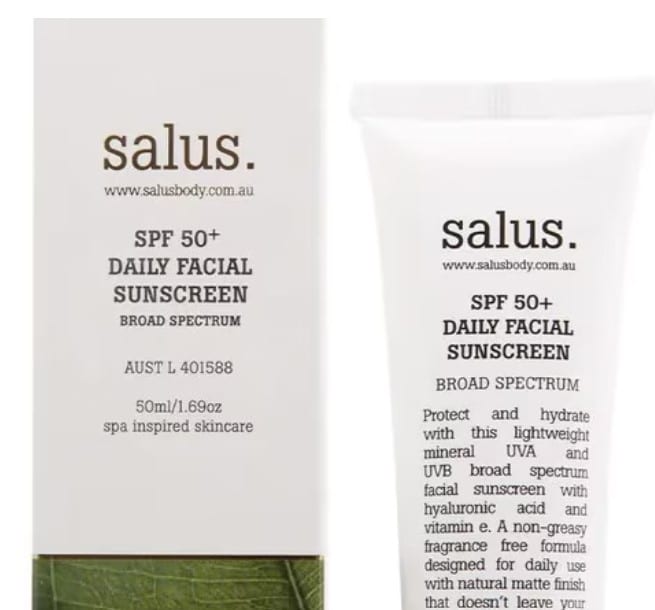
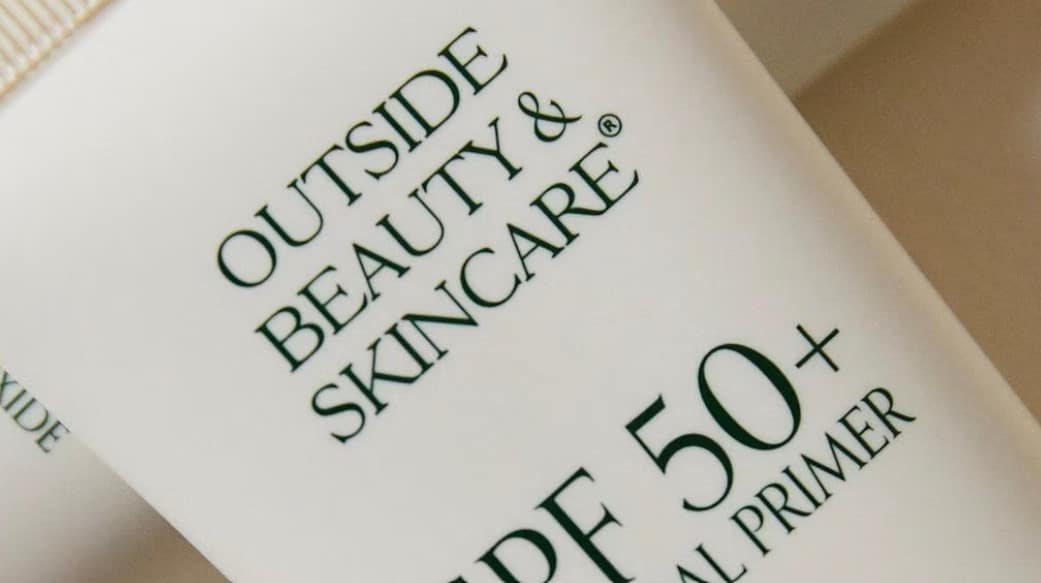
On Monday, the TGA announced the recall of Outside Beauty and Skincare’s SPF 50+ Mineral Primer and Salus Body & Spa’s SPF 50+ Daily Facial Sunscreen. The problem? Despite the bold SPF 50+ labels, investigations found that the actual SPF of these sunscreens was much lower—possibly as low as SPF 21. This is a significant discrepancy because, as we all know, SPF is supposed to protect us from harmful UV rays, which can lead to sunburns, premature aging, and even skin cancer.
A Deeper Look at the Base Formula
So, how did this happen? Well, the TGA’s investigation revealed that the base formulation of these sunscreens was identical to a number of other products previously recalled for the same issue. The base formula, it turns out, was tested by a UK laboratory, Princeton Consumer Research Corp, which has now come under scrutiny for potentially unreliable testing. This led to a larger concern: how many other products might be out there with SPF claims that simply don’t hold up?
The Bigger Picture: Industry-Wide Concerns
The Choice investigation, released earlier this year, has already shown that many Australian sunscreens weren’t living up to their promised SPF ratings. According to the report, out of 20 sunscreens tested, 16 didn’t meet their label claims. For example, a typical SPF 50 sunscreen is supposed to block around 98% of UV rays. If the SPF rating is lower, that means less protection, and users are at a higher risk of sunburn.
Sunscreen and Skin Protection: Why It Matters
It’s not just about a minor discrepancy either. Sunscreens play a crucial role in skin cancer prevention, and when consumers trust a product to protect them from the sun, they’re relying on it to do its job. The TGA’s concerns, along with the Choice report, highlight a bigger problem in the sunscreen industry—reliable SPF testing.
Wild Child, the company behind the base formula, responded by saying that all the products they supply are backed by SPF test reports. They also emphasized that the issues uncovered reflect broader challenges in the sunscreen testing industry. The company has since switched to more independent testing to ensure that their products meet the required standards. Meanwhile, Outside Beauty and Skincare stated that their preliminary tests show SPF levels likely don’t meet what’s stated on the labels, though further tests are ongoing.
What Does This Mean for Consumers?
But what does this mean for consumers? The recall is a warning sign. Affected customers have been urged to stop using the recalled sunscreens and return them for a refund. It’s a frustrating situation, to be sure, but it’s important to remember that, as consumers, we have rights, and companies are being held accountable for their misleading claims.
In the end, these recalls are a reminder that we need to stay vigilant. As much as we’d like to trust that the products we buy are safe and effective, this situation underscores the need for better regulation and more transparent testing methods. Until then, it might be worth checking those SPF labels a little more closely—because, when it comes to sun protection, it’s not just the labels that matter; it’s the science behind them.