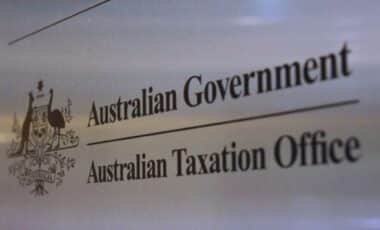

It sounded like an easy win: a “loophole” that promised a refund of all the tax you’d ever paid. But for one Perth mining worker, this simple choice led to a $63,000 penalty. Here’s how things went horribly wrong.
How It All Went Wrong
It all started innocently enough — the worker was contacted on Facebook by an old acquaintance, who claimed to have used a “tax loophole” to get back all the tax he had paid. Sounds enticing, right? Who wouldn’t want to get every cent back from the tax office? The acquaintance convinced the mining worker to allow him to lodge amended tax returns on his behalf, claiming deductions that weren’t real.
The problem? These deductions weren’t for anything the worker had actually spent money on. In fact, the amount claimed was equivalent to his entire income, which essentially meant the worker’s taxable income dropped to nil, and he received fraudulent refunds from the Australian Taxation Office (ATO). It was too good to last.
When the ATO Took Notice
At first, everything seemed fine — the ATO processed the returns and issued refunds for two separate years, amounting to around $48,100 for the 2020 year and $36,850 for 2019. But the excitement didn’t last long. A few weeks later, the ATO launched an audit and quickly uncovered the fraudulent claims. The mining worker had to pay back all the refunds, and worse, the ATO slapped him with a $63,000 penalty on top of everything, reports Yahoo Finance.
The Real Cost of Trusting “Too Good to Be True” Tax Claims
Many people don’t realize the severity of the penalties the ATO can impose. According to Belinda Raso, a tax expert from Tax Invest Accounting, the ATO can apply penalties ranging from 25% to 75% of the tax shortfall, depending on how serious the situation is. In this case, the worker didn’t realize that falling for a scam could cost him so much.
A lot of people assume that if they make an error on their tax return, it’s no big deal — maybe just a small fine. But as this case shows, getting caught with fraudulent claims can result in serious financial consequences, even if you weren’t the one directly involved in the fraud.
What to Learn from This?
So, what can we take away from this cautionary tale? The most important lesson is to be skeptical of anything that sounds too good to be true — especially when it comes to taxes. If someone approaches you with claims that sound a little fishy, like offering loopholes or “special deductions,” it’s probably best to stay away. And, if you’re ever unsure, reach out to a licensed professional to double-check your tax returns.
The mining worker’s mistake wasn’t just trusting the wrong person, it was not fully understanding the implications of those so-called shortcuts. In the end, the cost wasn’t worth the risk. It’s a hard lesson, but one that many can learn from.