Price tags in Australia are going digital, and they could change the way we shop. With stores now using electronic shelf labels (ESLs), prices can be updated instantly — mimicking the dynamic pricing model used by online retailers like Amazon. This shift offers convenience for businesses, but raises questions about how it might affect consumers.
The Rise of Dynamic Pricing in Retail
Dynamic pricing isn’t exactly new — it’s been a feature of online shopping for years. It’s when businesses adjust prices based on demand, time, or market conditions. You’ve probably noticed how Uber raises prices during busy hours or how prices change when you’re checking out of an online store. Now, digital price tags make it possible for stores to implement similar strategies in-person.
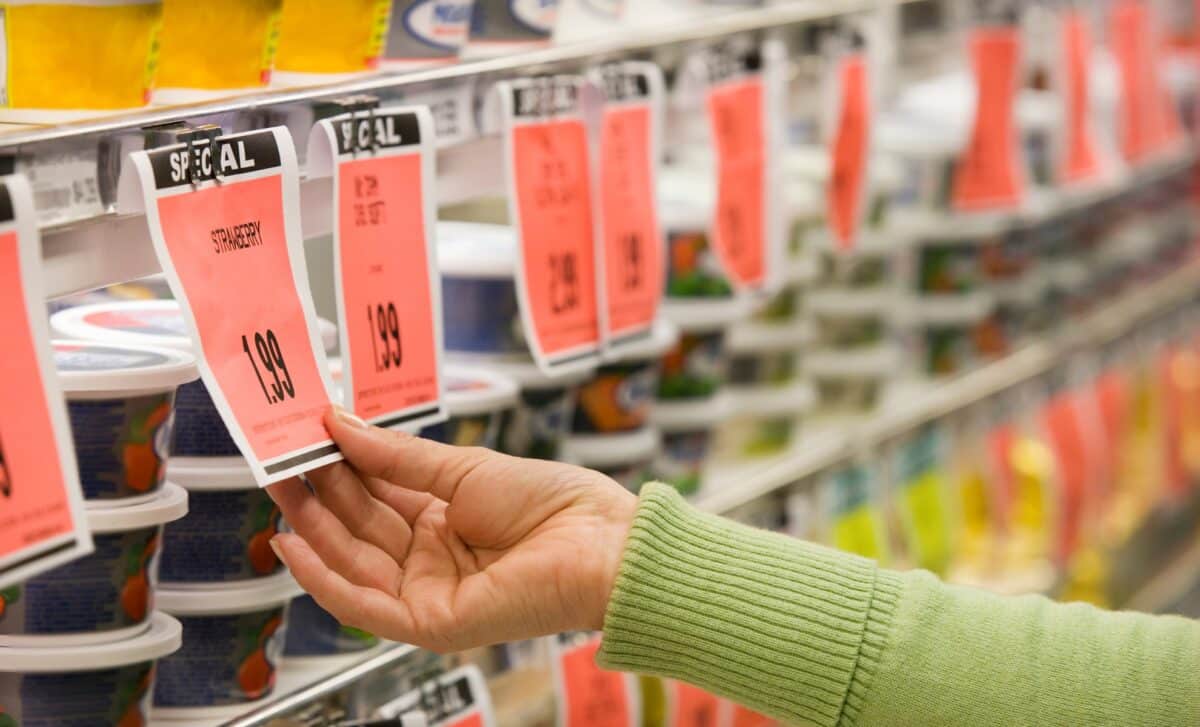
For example, Woolworths is installing millions of ESLs across its Australian stores, allowing them to change prices in real time. These price changes could happen twice a day — no more waiting for weekly updates. The technology behind the tags, like e-ink screens, is efficient, cost-effective, and can last for years. Plus, ESLs save paper and free up staff time, allowing employees to focus more on customer service, explains ABC News.
While this may sound like a win-win for businesses, the question remains: what does this mean for customers?
The Hidden Dangers of Dynamic Pricing
The potential for dynamic pricing in-store is exciting for retailers. Imagine a grocery store that can increase prices when demand is high — like during a heatwave when everyone wants ice cream — or lower prices when they need to clear out stock. In theory, it could make pricing more responsive to the market, and that’s not necessarily a bad thing.
But there’s a catch. With this technology, stores could take dynamic pricing to the next level by using personalized pricing. This means customers could pay different prices for the same item, based on factors like shopping history or location. Imagine going to buy a bottle of wine, only to find that your regular store knows exactly how much you’re willing to pay, and the price changes based on that information. Sounds like something out of a science fiction movie, right? Well, it could become a reality sooner than we think.
Could It Get Worse? Personalized Pricing and Privacy Concerns
There are already concerns in places like the U.S. about what’s called “surveillance pricing,” where stores could use facial recognition, AI, or shopping apps to track consumer behavior and adjust prices accordingly. In the future, your shopping experience could be influenced by algorithms that know your shopping habits — even your preferences when you walk past a shelf.
Many retailers, particularly in the U.S., are concerned about these practices, with some calling for a ban on digital price tags in larger stores. Former Australian Competition and Consumer Commission (ACCC) chairman Allan Fels raised concerns about fairness, suggesting that personalised pricing could be “exploitative” if it means shoppers are charged more than others for the same product at the same time.
Will This Become the New Normal?
As digital price tags continue to roll out across Australian stores, shoppers may have to get used to more fluctuation in prices. But the question remains: how far will retailers go? Will dynamic pricing offer savings, or will it simply make consumers feel like they’re being taken advantage of? It’s hard to say, but one thing’s for sure: this is just the beginning of a new, more data-driven era in retail.
For now, the technology promises a faster, more efficient shopping experience, but it’s important for both consumers and regulators to keep an eye on how these changes could impact pricing fairness in the long run.