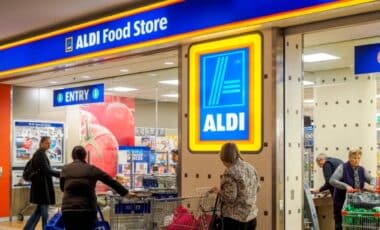
When it comes to grocery shopping, everyone loves a bargain—especially when the costs are rising everywhere else. So, which supermarket is winning the price war in Australia? According to a recent survey by consumer group Choice, Aldi is once again the undisputed champion when it comes to offering the cheapest groceries.
Aldi’s Clear Victory
In a comparison of a basket of 20 common grocery items, Aldi came out on top by a significant margin. The basket, which included essentials like milk, bananas, chicken fillets, and even some festive goodies like camembert and crackers, cost just $72.41 at Aldi. In contrast, the same basket cost $98.98 at Woolworths, $100.04 at Coles, and a hefty $109.25 at IGA. That’s a noticeable difference, especially for budget-conscious families trying to stretch their dollars as far as they can.
Now, you might be wondering how Aldi manages to keep prices so low. Well, much of it comes down to Aldi’s focus on home-brand products. While other supermarkets often rely on national-brand items—especially when it comes to items for entertaining—Aldi’s strategy is to keep things simple with affordable store-brand alternatives. The result? A significant price advantage. Of course, if you’re a fan of big-name brands, you might not find the same selection at Aldi, but for many, it’s a trade-off worth making.
The Cheapest Supermarket for the Basics
When focusing just on the basics—apples, bananas, carrots, milk, and a few other staples—Aldi’s price advantage remains clear. The basic basket at Aldi cost just $31.41, compared to Woolworths’ $32.20, Coles’ $33.16, and IGA’s $39.20. That’s a gap that adds up over time, especially for large families or regular shoppers. Aldi’s low prices aren’t just a flash-in-the-pan gimmick—they’re consistent and make a big difference to the weekly grocery bill.
The real kicker, though? Even when factoring in special offers, Aldi still manages to stay the cheapest. When comparing the price of a basket including specials, Aldi’s price stayed the same at $72.41, while Woolworths’ basket climbed to $93.17, Coles’ hit $100.04, and IGA’s special basket topped out at $105.38. This is where Aldi’s no-fuss, everyday low pricing shines—no need to chase after sales or rack up points for discounts. What you see is what you get.
Freshness: Coles Takes the Lead
Now, while Aldi might be the go-to for low prices, when it comes to freshness, the results are a bit more mixed. Choice tested the freshness of mixed lettuce two days after purchase, and Coles came out on top, with 77% of shoppers reporting that their lettuce was still fresh. Woolworths, IGA, and Aldi all had some signs of decay, with Aldi’s lettuce showing more signs of wilting than the other stores.
But, as with anything, freshness isn’t just about price—it’s about what you’re willing to trade off. If you prioritize the freshest produce, you might find yourself making a couple of extra trips to the supermarket, or maybe opting for a store that focuses more heavily on fresh offerings.
Tips for Saving at Any Supermarket
If you’re looking to stretch your budget even further, Choice has some tips to help reduce costs across the board. First, shop around. Comparing prices between stores can uncover surprisingly good deals, especially for those who tend to grab items on impulse. Second, check unit pricing. Sometimes, buying larger quantities isn’t the best deal if you’re not using the product quickly enough. Finally, consider opting for cheaper alternatives, like cuts of meat or frozen fruit and vegetables.
These options can be just as nutritious, and often at a fraction of the price. And don’t forget the “imperfect” ranges. These items, often a little less than perfect in terms of appearance, can be a huge money-saver and help reduce food waste.
The Verdict
So, what does all of this mean for shoppers? If you’re after the lowest price on groceries, Aldi is clearly the winner. It’s simple, it’s consistent, and it’s budget-friendly. But if you’re a stickler for fresh produce or brand-name items, you might find yourself branching out to other supermarkets. Either way, the key takeaway here is that, with a bit of planning, Australians can save a bundle on their grocery bills—whether at Aldi, Woolworths, Coles, or IGA.
As always, the smart shopper is the one who takes the time to weigh options, compare prices, and make choices that fit both their wallet and their needs. It’s not just about finding the cheapest store—it’s about making your money work for you.