
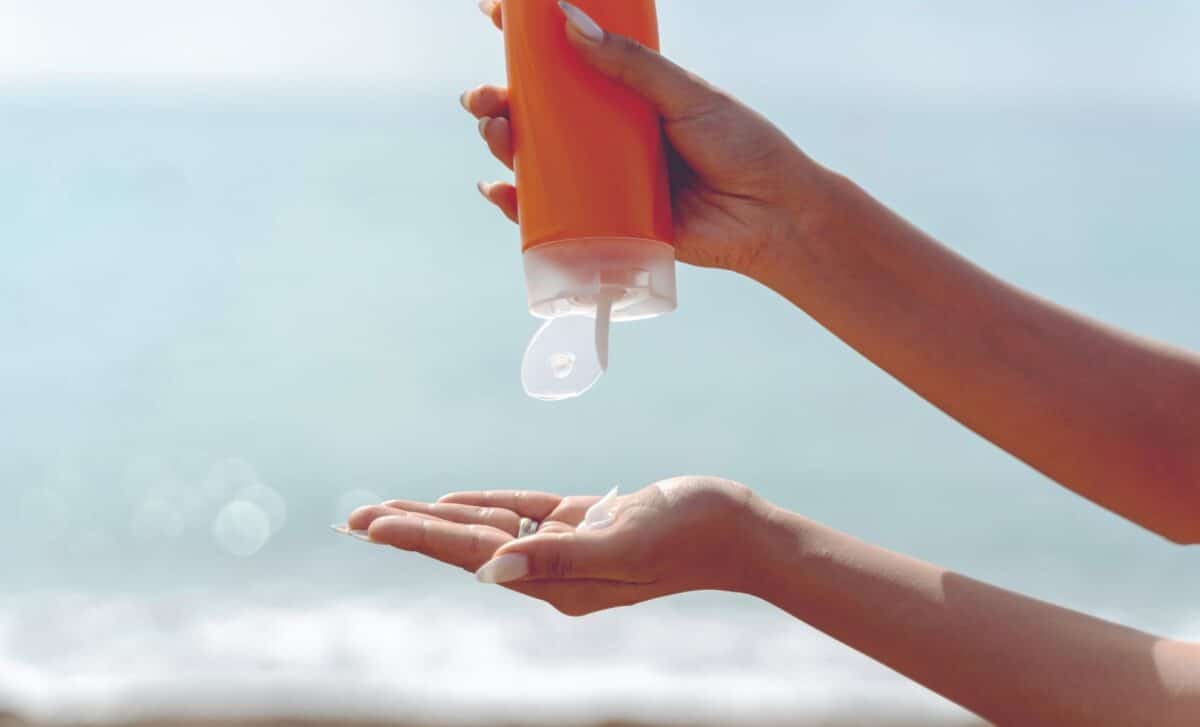
Sunscreen is a staple in our daily skincare routines, protecting us from harmful UV rays and reducing the risk of skin cancer. However, recent recalls have raised serious concerns about the reliability of some popular sunscreens. According to a report from Yahoo Life, two more sunscreens have been pulled from shelves due to inconsistencies in their SPF levels, potentially exposing users to higher risks of sunburn and skin damage
Understanding SPF: What Does It Really Mean for Your Skin?
Sun Protection Factor, or SPF, is a key indicator of how well a sunscreen protects your skin from UVB radiation, the primary cause of sunburn. However, SPF numbers can sometimes be misleading, especially when products do not meet their stated levels during testing. An SPF 50 sunscreen should theoretically block 98% of UVB rays, while SPF 30 blocks 97%. But when products fail to deliver the SPF level advertised on the label, the consequences can be severe. Not only does this increase the risk of sunburn, but prolonged sun exposure without adequate protection also significantly raises the likelihood of skin cancer, including melanoma.
With the recent wave of sunscreen recalls due to incorrect SPF claims, it’s essential for consumers to understand how to choose the right sunscreen and how to spot potential issues with their products. Always check for certification or testing information on the packaging and, if in doubt, contact the manufacturer directly.
The Latest Recall: MCoBeauty and BEAUTI-FLTR Sunscreens Fall Short
The latest round of recalls includes two popular sunscreens: MCoBeauty SPF 50+ Mineral Mattifying Sunscreen, sold at Woolworths, and BEAUTI-FLTR Lustre Mineral SPF 50+ Illuminating Facial Sunscreen, available through Adore Beauty. Both products were found to have lower-than-expected SPF levels during rigorous testing conducted by the Therapeutic Goods Administration (TGA). The recall was triggered because the SPF levels did not meet the advertised protection levels, which means consumers who used these products may not have received the full protection they were expecting.
These recalls are particularly concerning because both sunscreens are marketed as providing high SPF protection—an essential factor for consumers looking to prevent skin damage from the sun. The fact that these products failed to meet those claims underscores the importance of stricter testing and transparency from brands.
What Happens If You’ve Used a Recalled Sunscreen?
If you have one of the affected sunscreens in your skincare arsenal, it’s crucial to stop using it immediately. The TGA advises consumers to return the products to the store where they were purchased for a full refund. Additionally, both MCoBeauty and BEAUTI-FLTR have provided contact details for further assistance: MCoBeauty can be reached via email at [email protected], while BEAUTI-FLTR can be contacted at [email protected].
While returning the product ensures you’re no longer using an unreliable sunscreen, it’s also a good idea to monitor your skin for any signs of damage. If you’ve been using one of the affected products and have concerns about your skin’s health, consider consulting with a healthcare professional. This is especially important if you’ve spent significant time in the sun without proper protection.
Why Are So Many Sunscreens Failing to Meet Their Claims?
The recent recalls are part of a broader issue surrounding sunscreen testing and regulation. The TGA’s involvement is a crucial step in identifying faulty products, but the frequency of these recalls suggests that sunscreen testing procedures may need to be more stringent across the industry. One issue is that sunscreen formulations can be affected by various factors such as storage conditions, batch variations, and even how the product is applied. Manufacturers must ensure their products undergo rigorous and consistent testing before they reach consumers, particularly for a product that plays such a pivotal role in skin protection.
Moreover, the lack of transparency in the testing process raises questions about the reliability of some brands. In light of these recent events, it’s essential for consumers to remain vigilant and well-informed about the products they use, especially those as important as sunscreen.
What Consumers Should Do Next: How to Protect Yourself Moving Forward
In light of the growing list of sunscreen recalls, consumers should take several proactive steps to ensure they are using safe and effective products. First and foremost, check your sunscreen’s SPF rating against independent testing and reviews, like those provided by CHOICE. If you have any doubts about the accuracy of the SPF claim on the label, reach out to the brand directly for more information.
Additionally, consider diversifying your sun protection strategies. Sunscreen should be part of a larger sun safety routine, which includes wearing protective clothing, seeking shade, and avoiding direct sun exposure during peak hours. Regularly reapplying sunscreen and choosing products that are water-resistant and suitable for your skin type are also key to maintaining optimal protection.