
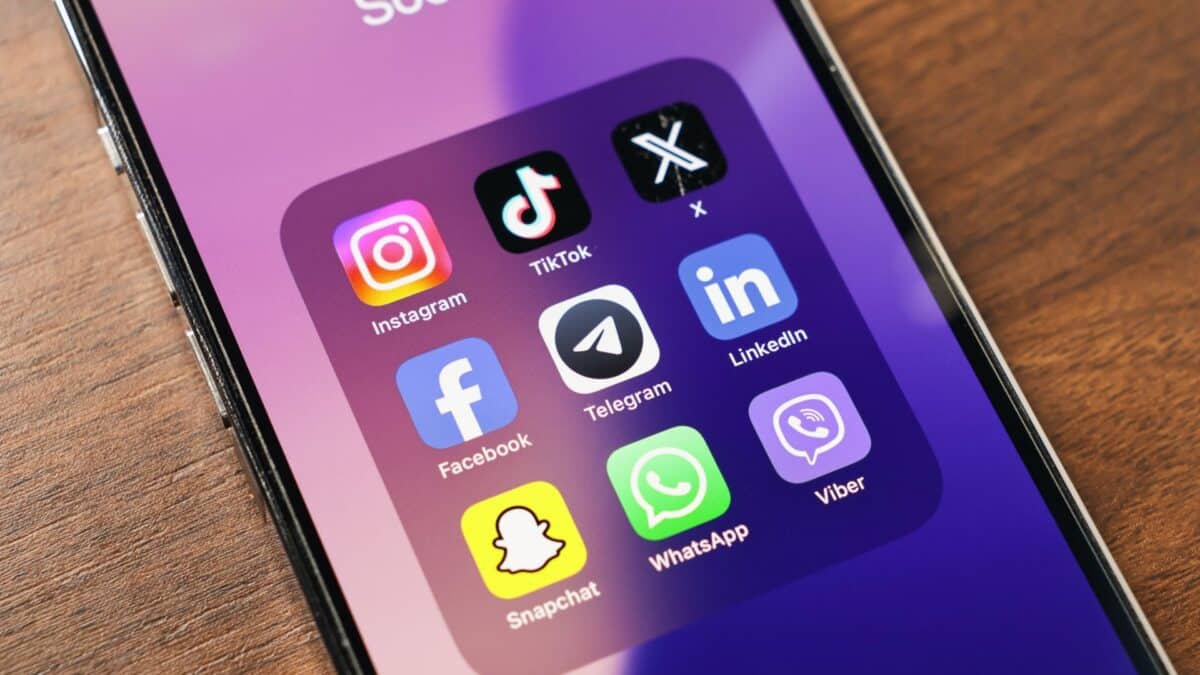
The Australian government is moving closer to implementing a nationwide social media ban for users under 16, a measure scheduled to take effect in December 2025. Officials argue that the policy is necessary to protect children’s mental health and reduce exposure to harmful online content, setting up a direct confrontation with some of the world’s largest tech companies.
At the same time, major platforms such as Meta, YouTube, TikTok, and Snapchat are stepping up efforts to secure exemptions. Their campaigns include targeted advertising, political lobbying, and in some cases, legal threats, as they seek to persuade lawmakers that their services offer safety features and educational benefits that should be considered before enforcement.
Government Maintains its Position Despite Industry Pressure
Social services minister Tanya Plibersek has made it clear that the government will not be “bullied” by major technology companies. Prime minister Anthony Albanese has also reaffirmed the administration’s commitment to the ban, citing meetings with parents whose children have experienced serious harm linked to social media. Speaking to ABC’s Insiders, Albanese said: “There is no doubt that young people are being impacted adversely in their mental health by some of the engagement with social media and that is why the government has acted.”
This policy would place Australia at the forefront of global regulation of social media access for minors. Authorities are preparing to announce in the coming weeks which platforms will be included in the legislation.
Meta Highlights Teen Safety Initiatives
Meta, the parent company of Facebook and Instagram, has showcased its existing protections for teenagers in an attempt to demonstrate compliance with government objectives. The company recently unveiled new measures for Instagram, including features that block unwanted direct messages and tools to filter explicit images automatically.
Last week, Meta also organized a “screen smart” event in Sydney, inviting parents and influencers to learn about its teen safety settings. The company’s strategy aims to convince policymakers that its platforms already prioritize the protection of young users.
YouTube Considers Legal Challenge over Inclusion in the Ban
YouTube has mounted one of the most aggressive campaigns against the proposed restrictions. Initially promised an exemption by former communications minister Michelle Rowland, the platform is now facing the prospect of being included in the ban after the eSafety commissioner advised against its exclusion. The commissioner cited research showing that children encounter harmful content on YouTube more often than on any other platform.
In response, YouTube has launched full-page newspaper advertisements, billboards, and a direct appeal to communications minister Anika Wells, warning of a potential high court challenge if the company is not exempted. This week, Google, YouTube’s parent company, is hosting its annual showcase at Parliament House, featuring creators such as the Mik Maks, a children’s music group advocating against the ban. Last year, the event included a meeting between YouTube executives and the Wiggles, which was later referenced by YouTube CEO Neal Mohan in a letter seeking exemption.
TikTok Promotes Educational Benefits for Teens
TikTok has taken a different approach by emphasizing its role as an educational platform. The company has been running advertisements across Australia highlighting statistics such as “1.7 million #fishtok videos” that encourage outdoor activities, “13 million cooking videos” helping teens develop culinary skills, and widespread engagement with its STEM-focused content.
These campaigns are designed to counter the government’s assertion that social media primarily drives screen dependency and harms young users, instead portraying the platform as a tool for learning and personal development.
Snapchat Partners with Law Enforcement on Safety Campaigns
Snapchat has focused on security measures to justify its case for exemption. The platform recently partnered with the Australian Centre to Counter Child Exploitation, led by the Australian Federal Police, to launch a series of educational videos targeting grooming and sextortion risks. These videos have been shared on prominent influencer accounts, alongside advertisements advising parents and teens on safe online behavior.
Snapchat has also reiterated that its default settings for 13- to 17-year-olds include private accounts and in-chat warnings when interacting with unknown users. Ryan Ferguson, Snapchat’s managing director for Australia, stated: “The safety of the Snapchat community has always been our priority, and working closely with law enforcement and expert safety partners is a critical part of that ongoing effort.”