

Interest rates in Australia are walking a fine line, and it seems the next move could be a game-changer. With inflation climbing, everyone’s wondering: what’s next for mortgage holders and the broader economy?
Inflation Call Could Trigger Rate Hike
The Commonwealth Bank (CBA) has made a bold prediction, warning that inflation in Australia is set to rise far above expectations. They believe inflation could jump to 0.9% in the trimmed mean for Q4 2025—a figure that’s likely to push the Reserve Bank of Australia (RBA) to raise interest rates when it meets in February 2026. This would be a big shift, potentially raising cash rates and significantly affecting borrowers, especially those with variable-rate loans.
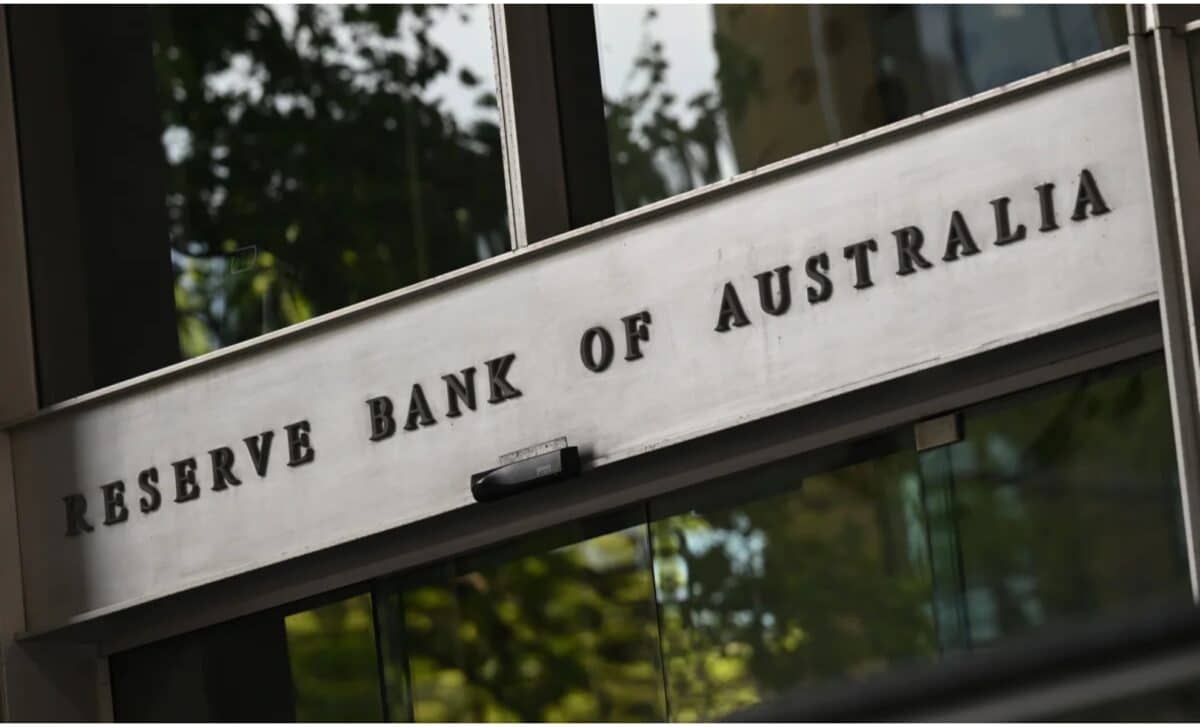
The RBA targets a 2-3% inflation range, and if CBA’s forecast proves accurate, inflation will sit well above this, which puts extra pressure on Governor Michele Bullock to act. This means higher mortgage repayments for millions of Australians, as the forecasted 0.25% rate hike would add $90 to $150 to the monthly repayments for $600,000 to $1 million loans. For those already struggling with high living costs, any increase in mortgage repayments could make a significant difference.
Other Banks Split on the Forecast
While CBA is predicting a rate hike, not all major banks are in agreement. ANZ has said that the 0.9% inflation figure would make a rate hike more likely, but Westpac believes the RBA will hold rates steady, at least for now. The RBA’s decision will largely hinge on the official inflation data to be released soon, which will either confirm or contradict CBA’s prediction.
A higher inflation figure could lead to increased borrowing costs for households already facing rising prices for everything from food to rent. It also means the Australian housing market, which has already seen its share of ups and downs, could feel the ripple effects. If borrowing becomes more expensive, we might see a slowdown in house price growth—or perhaps a drop.
All Eyes On The Data
The next few weeks are crucial for Aussie households. January 29, 2026, will see the official CPI data released, and it’s expected to give a clearer picture of the inflation situation. That will be the deciding factor for whether the RBA raises rates at their next meeting in February, explains Realestate. While some banks predict a rate hike, others are hesitant, and much of it hinges on what the official numbers show.
The rising inflation and the possibility of rate hikes are not just about mortgage repayments. They reflect the broader tension in Australia’s economy—tightening monetary policy to manage inflation but at the risk of slowing economic growth. For homeowners, renters, and potential buyers, this is a delicate moment that could significantly shape financial decisions in the coming months.