The New South Wales government is taking a major step toward reducing plastic waste with a new action plan. Starting next year, many common plastic items will be phased out in an effort to protect the environment and reduce landfill. While it’s a big move, the changes won’t come all at once, and it will take time for businesses and consumers to adjust.
The Big Changes Ahead
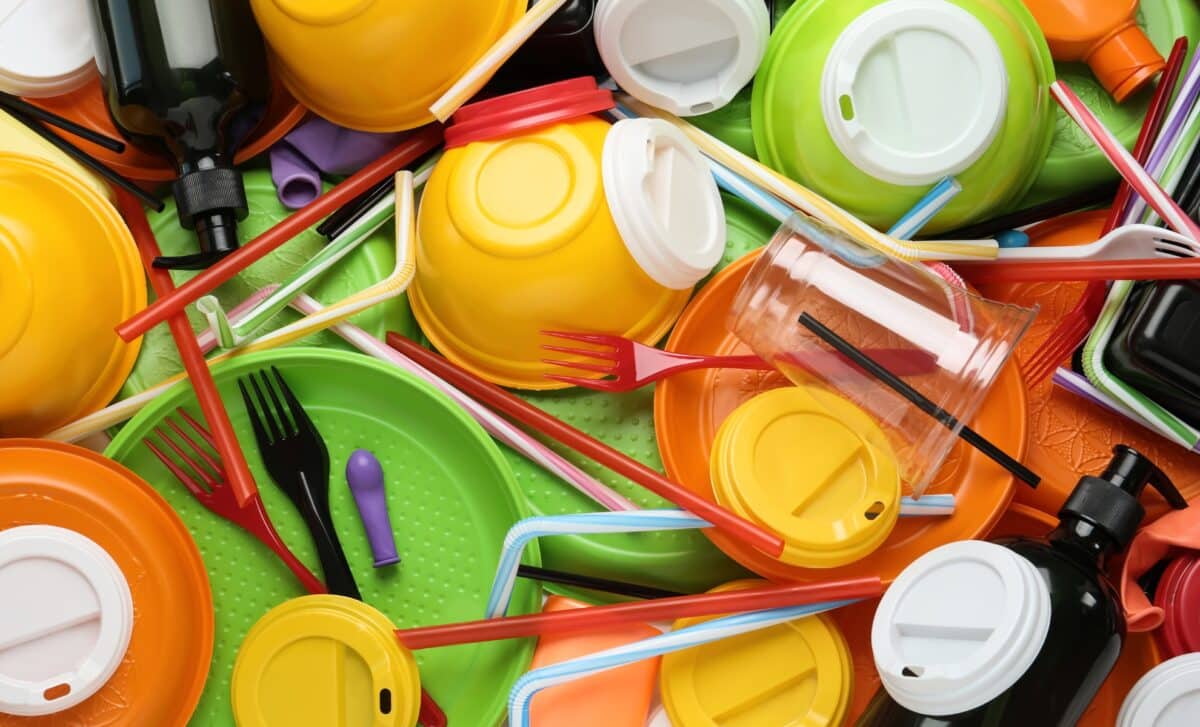
One of the most talked-about aspects of the new plan, called Plastics Plan 2.0, is the wide range of everyday plastic products set to be banned in the next few years. For instance, plastic bread tags, the little tags we often toss aside without a second thought, will no longer be allowed. Another item we’ll have to say goodbye to? Plastic pizza savers, those tiny plastic discs that keep pizza boxes from getting soggy. And yes, even the fruit and vegetable stickers that we’ve grown so accustomed to are on the chopping block.
Starting in 2026, plastic bags with handles—those ubiquitous bags at grocery stores—will also be phased out, following the lead of other states that have already implemented similar bans. And, if you’ve ever had a helium balloon released into the sky, that too will be banned from next year onwards. Many of these plastic items often end up in our waterways, creating significant environmental issues and endangering wildlife. So, it’s no surprise that the government is putting its foot down.
A Big Picture Approach
The plan doesn’t stop at just banning individual items. One of the key components of Plastics Plan 2.0 is the requirement for businesses to adopt recyclable or reusable alternatives for packaging. This means no more single-use plastic packaging for condiments like soy sauce or ketchup. If you remember the quirky fish-shaped soy sauce bottles, those are being phased out too. The ultimate goal here is for New South Wales to reduce plastic litter by 60% and to move toward a more sustainable, circular economy.
Challenges and Support for Businesses
Now, these changes are huge—no doubt about it—and businesses will need time to catch up. For example, Mars Food and other large companies have already expressed their commitment to adopting more sustainable packaging, but it’s not something that can happen overnight. It takes time to develop, test, and scale up new packaging solutions that won’t negatively impact the consumer experience. The government is well aware of this and is planning to support businesses as they transition to more eco-friendly practices.
The Future of Plastic Waste
It’s not just about banning items, though. The government is also working on a reuse-only precinct in Sydney’s CBD, set to open by 2027, where people can take their reusable items instead of relying on single-use packaging. That’s a bold, forward-thinking move that will hopefully inspire other regions to follow suit, underlines 9News.
The challenge, of course, will be how well consumers and businesses adapt to this new way of thinking. Some of these changes might feel like an inconvenience at first, but when you take a step back, it’s clear that they’re part of a much larger effort to protect the environment—and that’s something worth supporting.