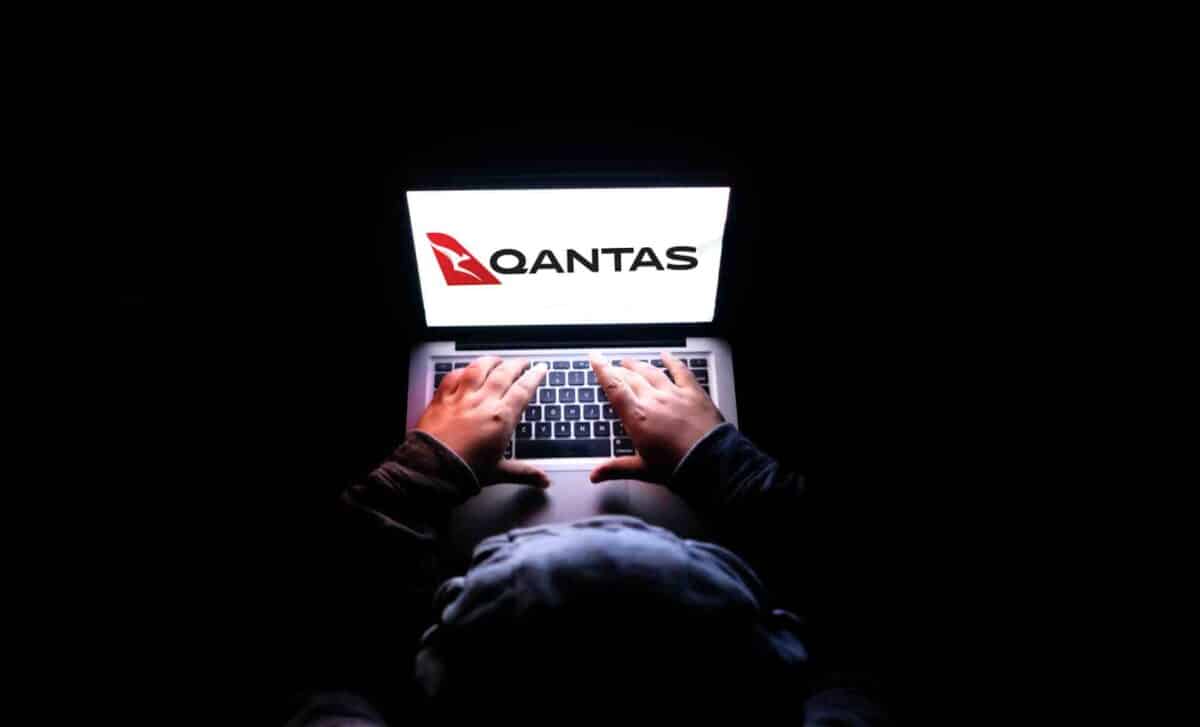
A major data breach has left millions of Qantas customers vulnerable to scammers, with hackers making off with sensitive personal details. It’s a warning shot for everyone—this is no longer a case of “just another breach.” This could hit you or someone you know.
The Breach: What’s at Stake?
The breach, which compromised the data of up to 5.7 million Qantas customers, was part of a larger hack by the group Scattered LAPSUS$ Hunters. The information stolen includes names, email addresses, phone numbers, frequent flyer details, home addresses, dates of birth, and, in some cases, even meal preferences. This wasn’t just a minor leak; it’s a goldmine for identity thieves, giving them plenty of personal data to forge convincing attacks.
The ‘Second Wave’ of Scams
What’s worse, the data didn’t just vanish into the ether. The group made good on a ransom threat by dumping the sensitive details online, leaving customers exposed. And while Qantas has acted quickly to offer support, including a dedicated hotline and identity protection advice, the fallout from this breach could be far-reaching. Hackers may use this data to impersonate Qantas, asking for even more personal details under the guise of compensation claims.
Matthew Warren, a cybersecurity professor at RMIT, called it a “second wave” of scams, predicting that this is only the beginning, reports Thenewdaily. Imagine receiving an email claiming you’re owed compensation, asking you to share your credit card details so the airline can “transfer” the payment. It sounds outrageous, but it’s happening. And if you think this is an isolated case, think again—Qantas isn’t alone. Data from other companies, including Vietnam Airlines and Fujifilm, also leaked, adding more opportunities for criminals to exploit this information.
Legal Action and Qantas’ Response
Despite the fact that the breach happened outside Australia, Qantas has been proactive in trying to minimize the damage. They’ve gone as far as securing an injunction from the NSW Supreme Court to prevent the data from being used or published further. Unfortunately, this only works in Australia—overseas, the data still circulates on the dark web, making it hard to control. And with cybercrime conviction rates remaining low, it’s difficult to see how effective legal deterrents are in preventing these attacks.
What’s Next for Qantas and Customers?
This breach echoes previous ones like those involving Optus and Medibank, both of which resulted in major class action lawsuits. Maurice Blackburn, a prominent law firm, has already filed a complaint with the Office of the Australian Information Commissioner (OAIC), alleging that Qantas failed to protect their customers’ personal data adequately.
It’s a tough situation. With the case being complicated by the fact that the breach happened overseas and involves third-party contractors, it might not be clear-cut for Qantas to shoulder the blame. But one thing’s for sure—customers, and the companies they trust, are paying the price for weak cybersecurity.